
The ASEAN-Japan Centre (AJC) has served as a bridge between the ASEAN Member States and Japan for more than 40 years since its establishment in 1981.
It has been engaged in a variety of activities to promote trade, investment, tourism and people-to-people exchanges to connect ASEAN and Japan.
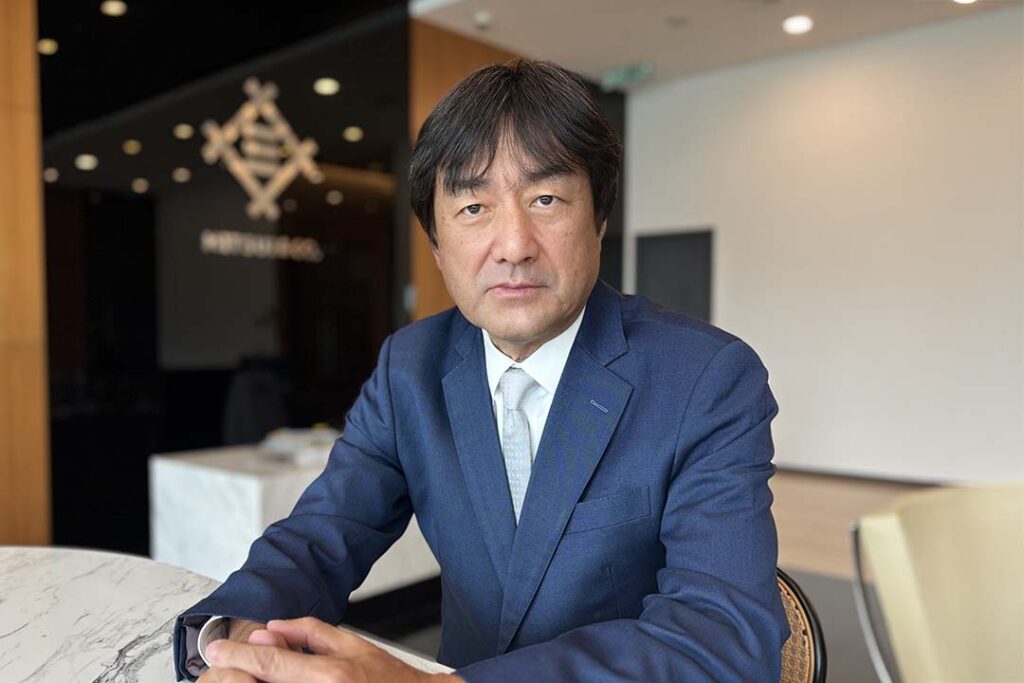
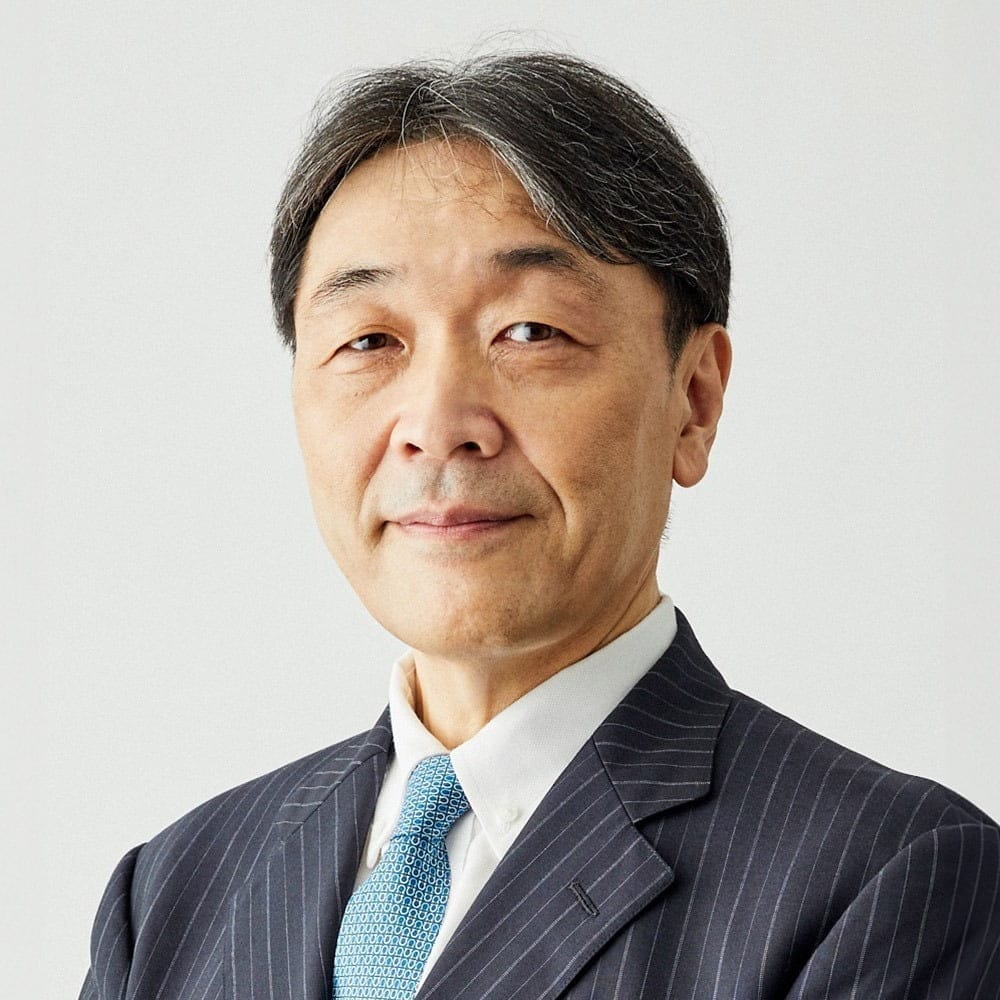
A personal message from Kunihiko Hirabayashi, Secretary General, ASEAN-Japan Centre
Twenty years after the Japan-Malaysia Economic Partnership Agreement took effect, the economic relationship between our two countries stands on remarkably solid ground. For decades, Japanese companies have been among the most significant investors in Malaysia.
Their investments began in electronics and automotive manufacturing and have more recently expanded to semiconductors, green energy and digital services. JMEPA helped to lock in that confidence, and our ties have since deepened further through regional frameworks such as CPTPP and RCEP.
Yet as we approach the 70th anniversary of diplomatic relations in 2027, I believe the next chapter must address a gap that trade statistics do not capture. Japan enjoys a healthy economic relationship with Malaysia but runs a curiosity deficit.
Since the Look East Policy was launched in 1982, tens of thousands of Malaysians have studied and trained in Japan. Many Malaysians understand Japanese work culture, language and society in depth. Japanese understanding of Malaysia, by contrast, often stops at the image of an affordable holiday or long-stay retirement destination.
“As we approach 2027, marking the 70th anniversary of Japan-Malaysia relations, the 50th anniversary of the Fukuda Doctrine and the 60th anniversary of ASEAN, it is time for Japan to get to know Malaysia as deeply as Malaysia has long known Japan.”
Kunihiko Hirabayashi, Secretary General of ASEAN-Japan Centre

Less visible in Japan is Malaysia’s role as a multiethnic, multilingual society, a global leader in halal certification and Islamic finance, or a critical node in the world’s semiconductor supply chains.
This imbalance is not merely a cultural concern; it is a strategic one. Malaysia’s young, digitally fluent and globally connected population will shape markets across ASEAN and the wider Muslim world. Japan faces a shrinking workforce, and it has much to learn from Malaysia’s experience in managing diversity and working across cultures. A partnership built on one-way learning cannot reach its full potential.

Closing this deficit means answering Look East in kind. We should create more opportunities for young Japanese professionals to work, study and start businesses in Malaysia. We should also build ventures in which young people from both countries share the same customers, the same risks and the same results. Understanding grows fastest through co-creation.
Malaysians have a saying: tak kenal maka tak cinta. You cannot love what you do not know. As we approach 2027, marking the 70th anniversary of Japan-Malaysia relations, the 50th anniversary of the Fukuda Doctrine and the 60th anniversary of ASEAN, it is time for Japan to get to know Malaysia as deeply as Malaysia has long known Japan.