
For Harta Samudra, sustainability is not the end of the story. It is the foundation for what comes next.
As an Indonesian seafood company working closely with traditional fishing communities, Harta Samudra has spent years building a more responsible and traceable supply chain.
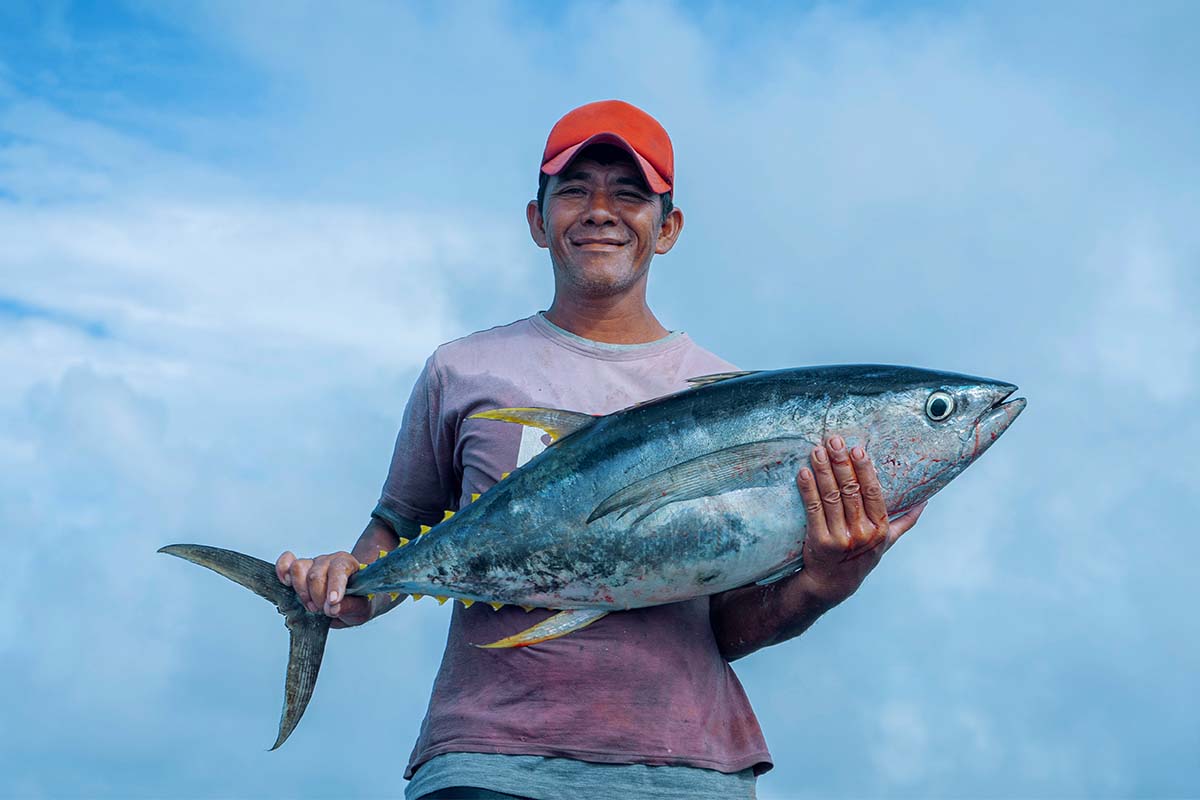
Now, the company is taking another important step: investing in the infrastructure, quality and market access needed to connect Indonesia’s traditional fishermen with some of the world’s most demanding premium seafood markets.
At the heart of this next chapter is a new facility in eastern Indonesia, developed through a partnership and equipped with both -60°C rapid-freezing capabilities using alcohol brine and a -60°C storage facility.
The facility is located within infrastructure established with Japanese development support from the Japan International Cooperation Agency (JICA). Harta Samudra has secured the right to rent and operate the facility, creating a new platform from which it can strengthen its operations and expand its reach.
For Harta Samudra, the opportunity is about more than a new facility. It is about strengthening the link between Indonesia’s traditional fishermen and international markets — and creating more value throughout the supply chain.
Infrastructure designed to create possibilities
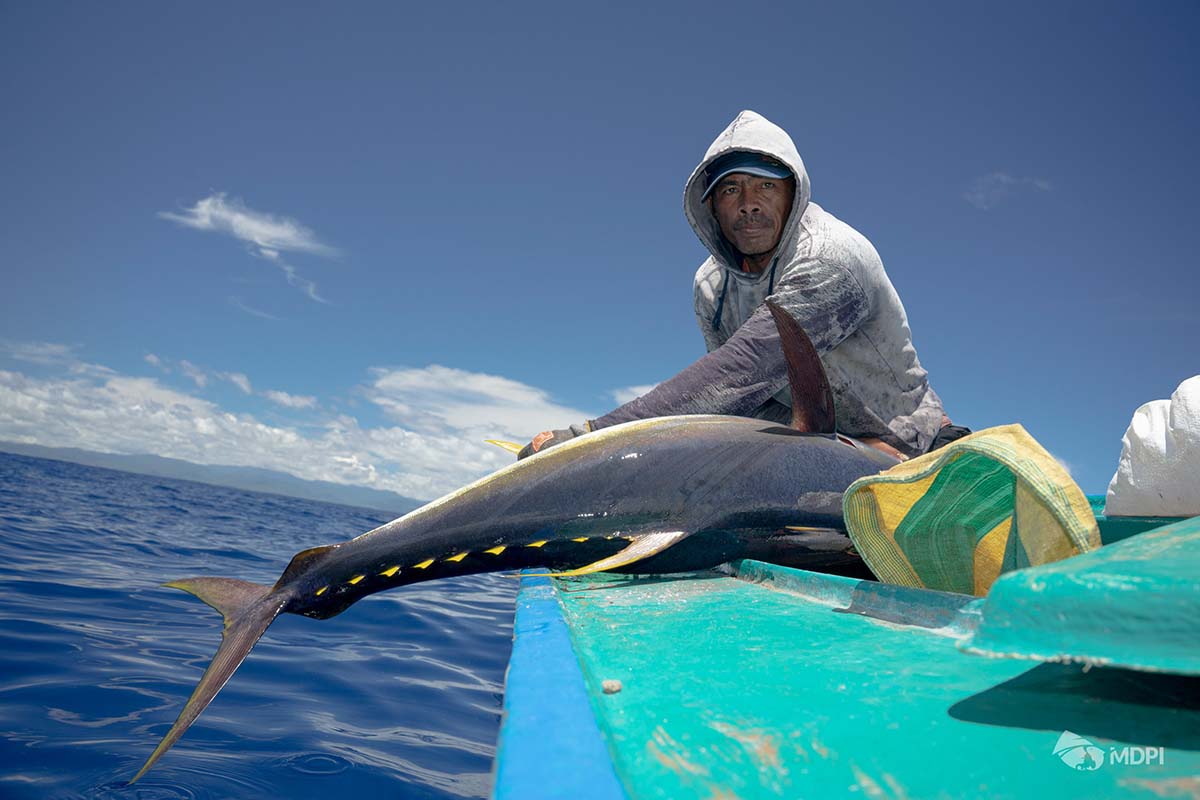
Operating in Indonesia’s remote eastern islands presents a unique set of opportunities and challenges. The region is home to extraordinary marine resources and communities with generations of fishing knowledge, but the infrastructure needed to move seafood efficiently from remote landing sites to international markets remains a significant challenge.
Reliable electricity is one example. For seafood businesses, uninterrupted power is not a luxury. It is essential to maintaining the cold chain and protecting the value of the catch. In some remote areas, electricity remains unreliable, making refrigeration and ice production difficult and expensive. Harta Samudra has experienced these challenges firsthand, including periods when generators were needed to keep operations running.
Through its partnership with the International Pole & Line Foundation (IPNLF), Harta Samudra is involved in a project to develop solar-powered ice-making facilities closer to fishing communities. By bringing essential cold-chain infrastructure closer to where fish are landed, Harta Samudra can reduce travel times, protect product quality and help fishermen get more value from their catch.
Freshness, consistency and handling
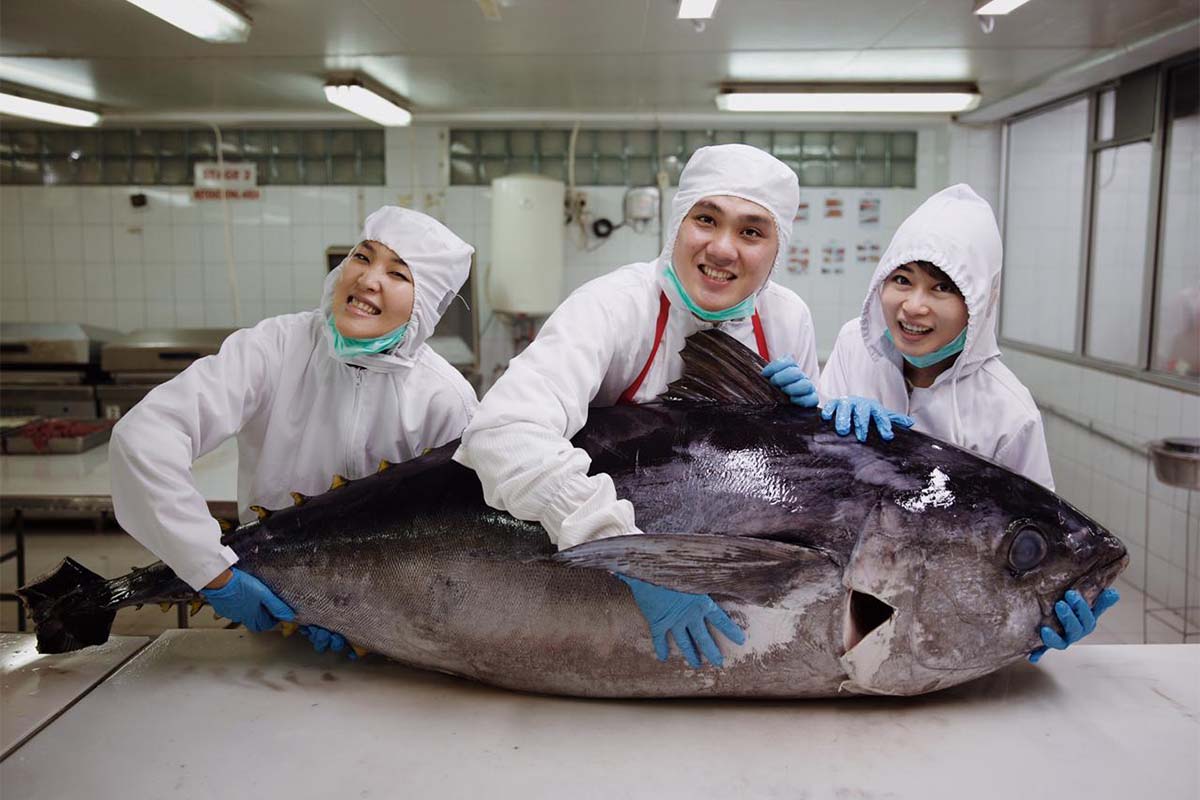
The new facility represents another part of that strategy and the -60°C alcohol-brine system provides an additional level of preservation for premium seafood. Rapidly bringing fish down to very low temperatures helps protect its quality from the moment it enters the supply chain, which is particularly important when the end customer is a premium market with demanding expectations for freshness, consistency and handling.
For Harta Samudra, the investment is therefore about more than simply having a larger facility. It is about creating the infrastructure required to compete at a higher level internationally.
From remote islands to premium markets
Indonesia’s traditional fishermen can face a difficult paradox. They may have access to some of the world’s richest fishing grounds, yet the distance from international markets and limitations in local infrastructure can prevent them from capturing the full economic value of their catch.

Harta Samudra sees premium markets as an important part of changing that equation.
Today, the company works with approximately 1,200 traditional fishermen, connecting their catch to international buyers who value quality, responsible sourcing and traceability. Harta Samudra also collaborates with organizations such as MDPI (Masyarakat dan Perikanan Indonesia) and AP2HI (The Indonesian Pole & Line and Handline Fisheries Association) to strengthen opportunities and livelihoods for traditional fishing communities.
A stronger seafood supply chain has to start with the people who catch the fish.
“Access to premium markets matters and every single link builds a stronger supply chain,” is the philosophy shared by Selvya Tjoanda, chief sales and marketing officer at Harta Samudra.
“Fishermen are arguably the most vulnerable link in the chain, but they are also the most important. Without them, nothing else happens.”
When Harta Samudra can sell responsibly sourced, high-quality seafood to buyers willing to pay a premium, it creates room to pay more for the catch. That additional value can flow back through the supply chain, strengthening the economic position of traditional fishermen while giving them a greater incentive to maintain responsible fishing practices.
“Sustainability, in this sense, is not simply an environmental objective. It is an economic one. A fishing community that can earn a better and more reliable income from responsible fishing has a stronger foundation for the future,” says Tjoanda.
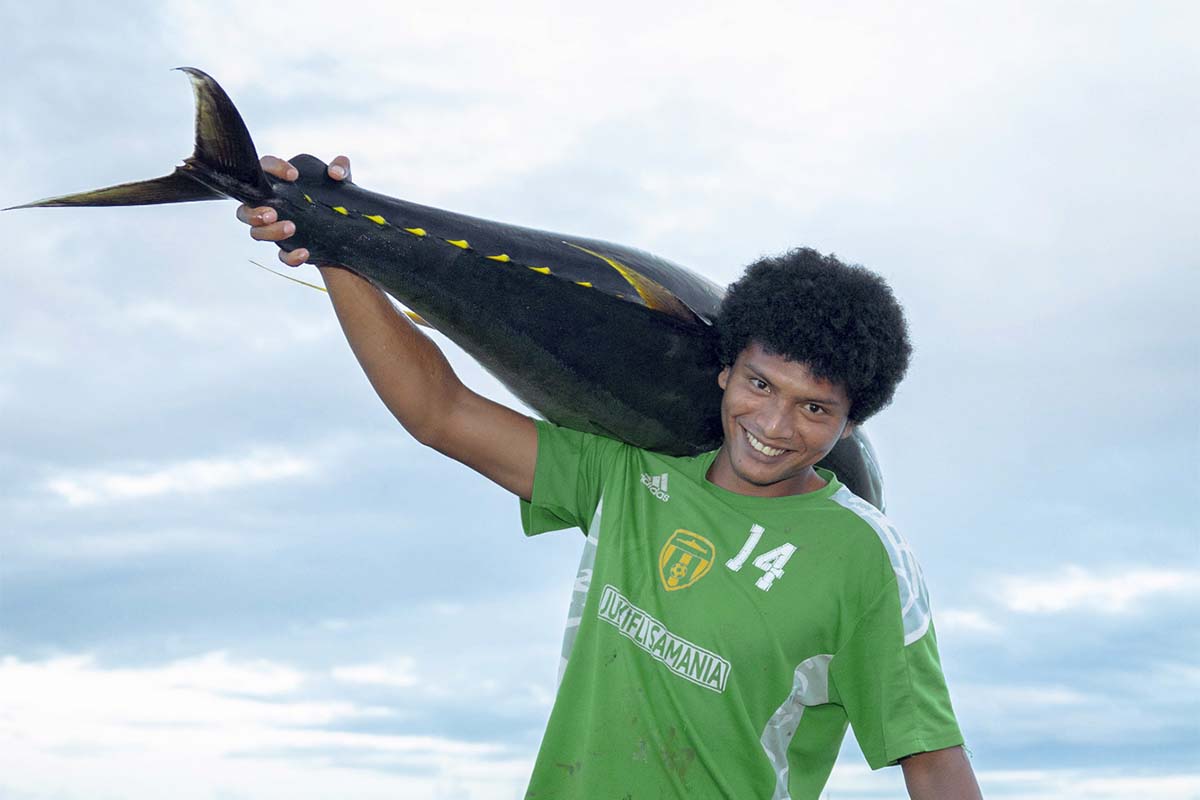
Why Japan matters: Among Harta Samudra’s international ambitions, Japan stands out.
Japan is one of the world’s most sophisticated seafood markets, with high expectations around quality, consistency, traceability and handling.
Successfully establishing a stronger presence there would therefore represent more than access to another export destination. It would be a significant validation of the quality and standards Harta Samudra has built into its operations.
The company is already an international seafood supplier, with access to premium markets including the United States. It has also worked with internationally recognized certification systems and standards such as MSC and BRC, allowing it to compete in markets where responsible sourcing and traceability are increasingly important. Japan represents an opportunity to take those capabilities into an even more demanding market.
The connection is also particularly meaningful because Japanese development cooperation has played a role in supporting infrastructure in Indonesia’s fisheries sector.
“Fishermen are arguably the most vulnerable link in the chain, but they are also the most important. Without them, nothing else happens.”
Selvya Tjoanda, Chief Sales and Marketing Officer

Harta Samudra’s use of infrastructure developed with Japanese support from JICA creates a practical link between Japanese investment in Indonesia and the potential for Indonesian seafood to reach Japanese consumers – a connection that can benefit both sides.
Working with government for the greater good
Developing fisheries infrastructure in remote Indonesia requires cooperation between the private sector and government.
Harta Samudra believes there is significant common ground when projects are viewed beyond the interests of a single company to demonstrate what can happen when infrastructure, responsible private-sector investment and traditional fishing communities are connected. If successful, the model could potentially be replicated elsewhere. The result can be a stronger fisheries economy with benefits extending well beyond one company.
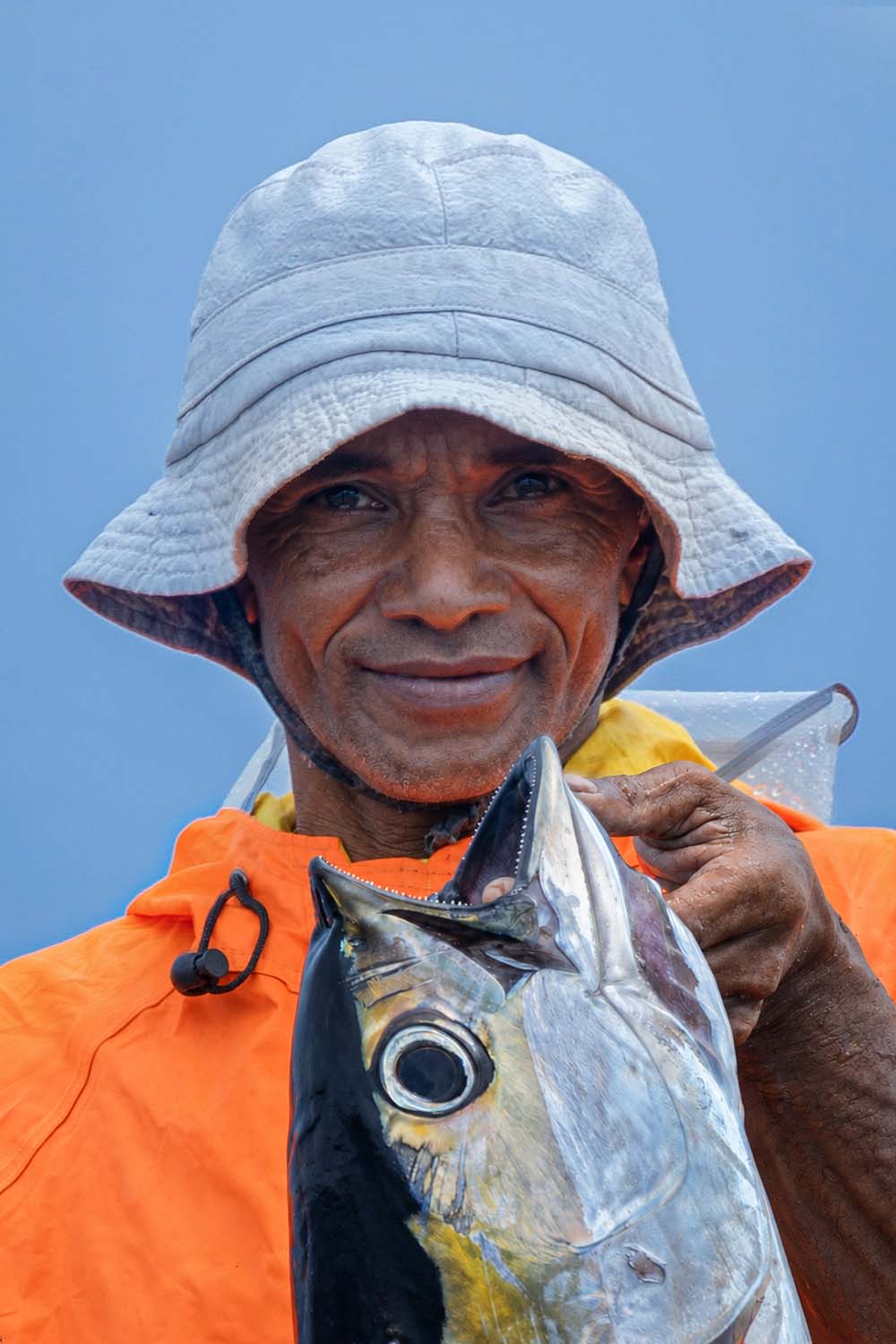
A new chapter for Indonesian seafood
Harta Samudra has already established itself in international markets. The next challenge is to deepen that presence and reach markets where quality, responsible sourcing and traceability are held to the highest standards.
The new -60°C alcohol-brine facility is one part of that ambition. Improved cold-chain infrastructure, solar-powered ice-making facilities and stronger links with traditional fishermen are others.
Together, they point towards a broader vision for Indonesian seafood: one in which remote fishing communities are not separated from global markets by geography or inadequate infrastructure, but connected to them through better cold-chain systems, stronger handling and access to customers who value quality and responsible sourcing.
For Harta Samudra, the goal is to create more value from every catch, strengthen the livelihoods of traditional fishermen and demonstrate that responsible Indonesian seafood can compete at the highest levels of the global market.
From the remote islands where the fish are caught to the premium markets where they are valued, every link matters.