

“Wellness” is one of those words that seems to have acquired a very expensive wardrobe.
Today, it often arrives packaged in boutique fitness studios, artisanal adaptogens, biohacking gadgets, and retreats with price tags that could fund a respectable holiday. Yet strip away the marketing gloss, and many of the principles that underpin modern wellness have been flourishing for centuries.
Two countries in particular stand out: Japan and India. Although shaped by distinct histories, philosophies, and cultural traditions, both have long embraced holistic approaches to living that recognize something modern science increasingly confirms: physical health, mental well-being, community, environment, and daily habits are deeply interconnected.
Rather than asking which culture “invented” wellness, it is far more illuminating to explore where their ideas converge. In many ways, Japan and India remind us that wellness was never meant to be another item on a to-do list. It was always simply a way of life.
Nature as being, not backdrop
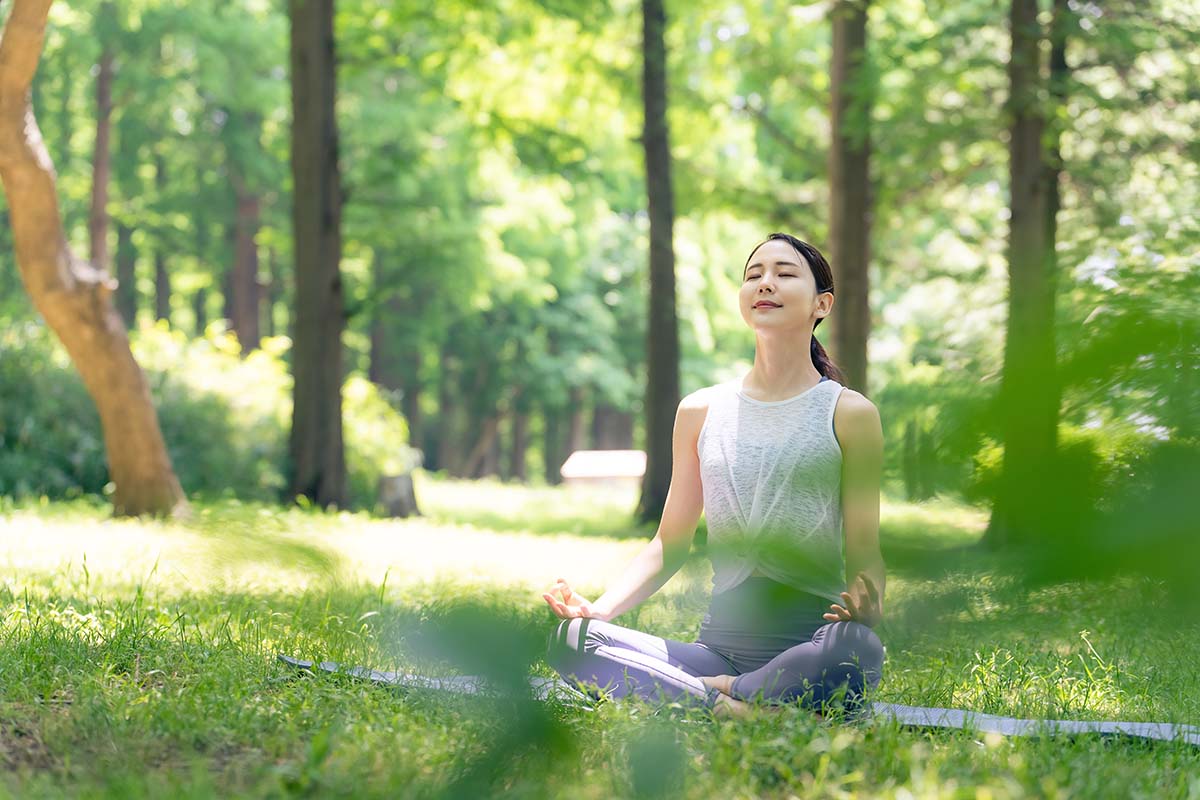
If there’s one idea both cultures seem to understand instinctively, it’s that nature isn’t merely scenery. It’s integral to lifestyle — and it’s deeply restorative.
In Japan, this philosophy finds expression in practices like shinrin-yoku, or “forest bathing.” Introduced by Japan’s Forestry Agency in the early 1980s, the practice isn’t about hiking or clocking steps. It’s the deliberate act of immersing oneself in a forest environment using all five senses. Decades of research have linked forest bathing with reduced stress hormones, lower blood pressure, improved mood, and even enhanced immune function.
Japan has designated dozens of official Forest Therapy Bases across the country, complete with specially mapped trails designed to maximize the restorative benefits of spending time among the trees. Wellness, it seems, can come with a trail marker instead of a treadmill.
India has long viewed the natural world through a similarly holistic lens, albeit from a different philosophical tradition. Ayurveda, one of the world’s oldest continuously practiced systems of health dating back more than 2,000 years, considers human health inseparable from the rhythms of nature. Daily routines, seasonal transitions, food choices, sleep patterns, and even local climate all play a role in maintaining balance.
TRY THIS
You don’t need an ancient cedar forest or a Himalayan retreat to borrow from either tradition. Studies suggest that spending just 20 to 30 minutes in a leafy green space can help reduce stress. The next time you head to a park, resist the urge to scroll. Let the rustle of leaves be the soundtrack instead.
The takeaway is refreshingly low-tech: sometimes the most effective reset doesn’t involve another app. It might simply mean taking a slower walk through a park, opening the windows, or paying closer attention to the changing seasons instead of fighting them.
Ancient rituals that invite us to slow down
Both countries have elevated everyday rituals into opportunities for restoration.
Japan’s onsen culture dates back well over a thousand years, with volcanic hot springs becoming gathering places where bathing is treated less as a quick necessity than as an act of physical and mental renewal. Rich in naturally occurring minerals, many onsen are believed to help ease muscle tension, improve circulation, and encourage relaxation. Equally important is the ritual itself: phones stay tucked away, conversation softens, and the outside world is temporarily placed on pause.
INSIDER TIP
If you’re visiting an onsen for the first time, remember that you wash thoroughly before entering the communal bath, not after. It’s more than etiquette. It’s a gesture of respect for everyone sharing the spring.
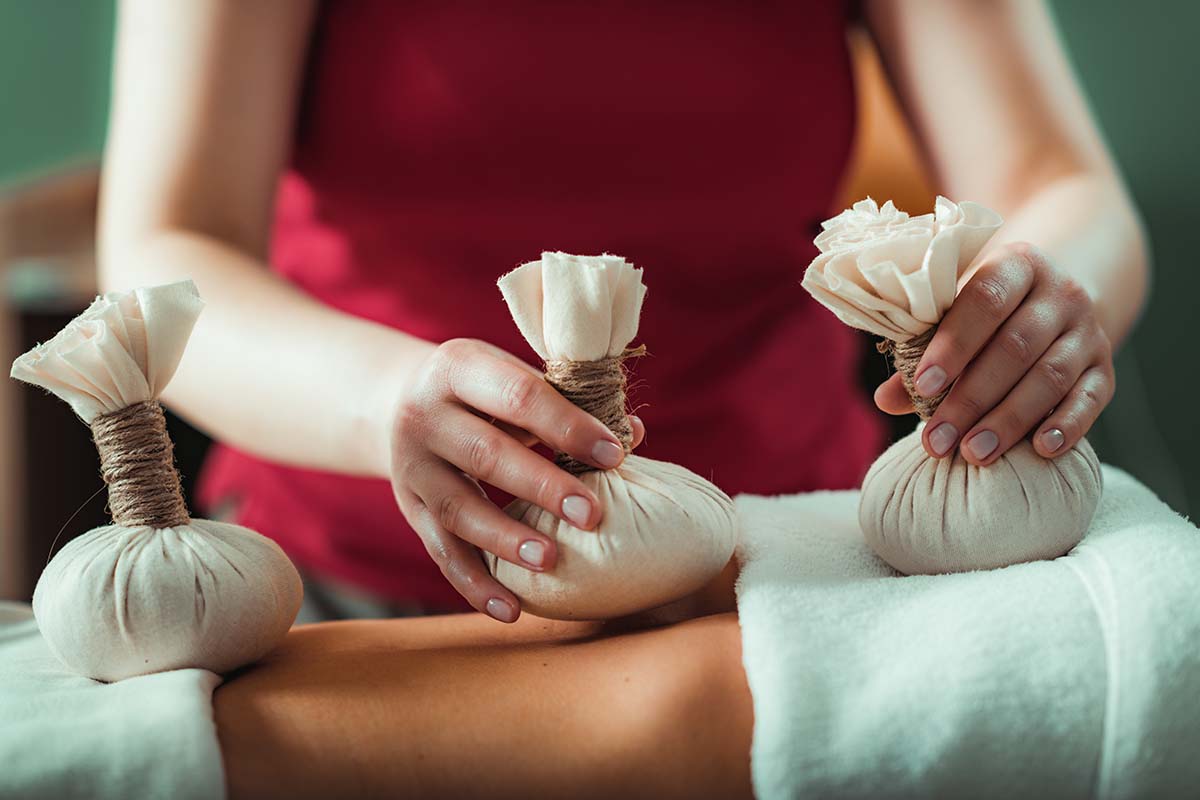
India’s traditions are different in form but strikingly similar in intention. Ayurvedic practices often emphasize daily rituals known as dinacharya, which may include gentle movement, self-massage with warm oils (abhyanga) and herbal bolus bags (khizi), mindful eating, breathing exercises, and consistent sleep schedules. None of these were conceived as luxury indulgences. They were practical habits designed to support long-term well-being.
TRY THIS
Rather than attempting a total lifestyle reset, borrow just one daily ritual. Five uninterrupted minutes of quiet before opening your inbox, or simply sticking to a regular bedtime, can be surprisingly transformative over time.
Perhaps that’s the quiet genius shared by both cultures: wellness isn’t reserved for weekends. It’s built into ordinary days.
Mindfulness before the buzzwords
Long before mindfulness apps began sending hourly notifications reminding us to breathe, both Japan and India had already cultivated practices centered on presence and awareness.
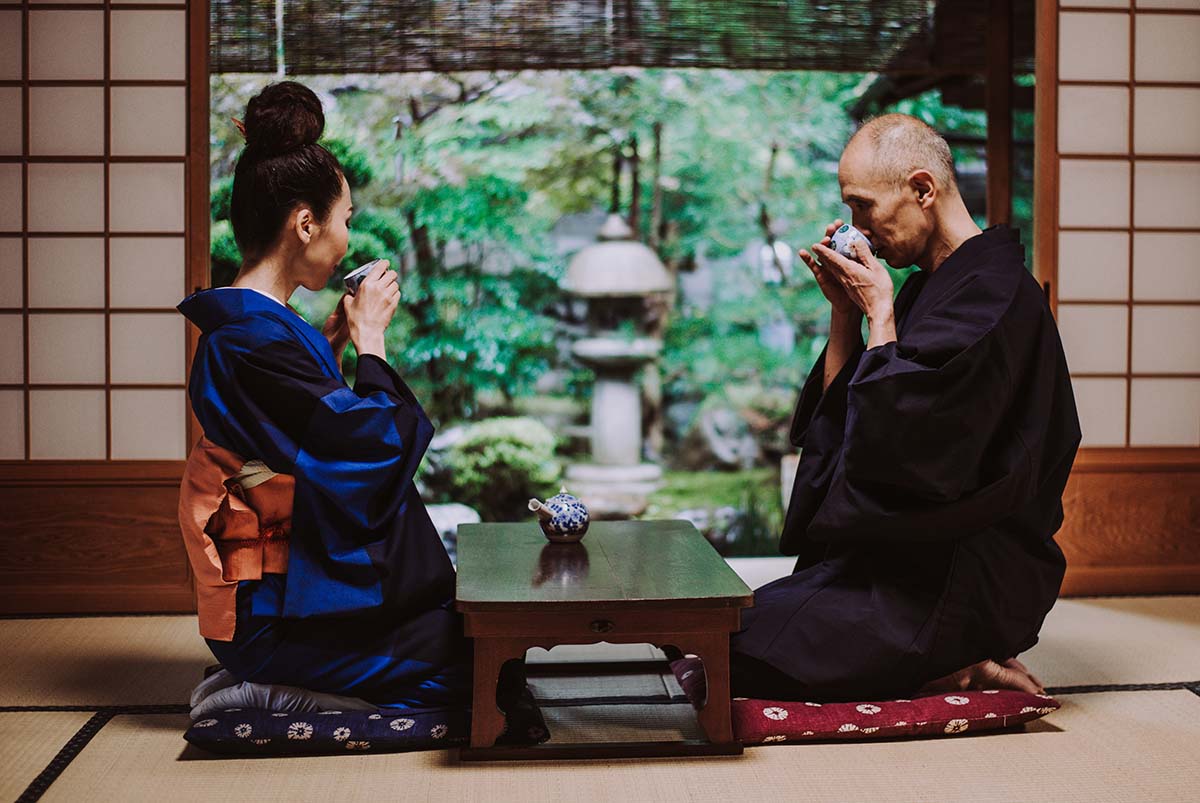
Zen Buddhism has profoundly influenced Japanese aesthetics and daily life, encouraging simplicity, attentiveness, and a deep appreciation for the present moment. Whether through the meticulous choreography of “the way of tea” (Chadō), the careful tending of a garden, or the understated elegance of traditional design, mindfulness often reveals itself through ordinary acts performed with extraordinary care.
FUN FACT
A traditional Japanese tea ceremony can last several hours, with every fold of the cloth, turn of the bowl, and whisk of the matcha performed with quiet intention. It may well be the original slow living masterclass.
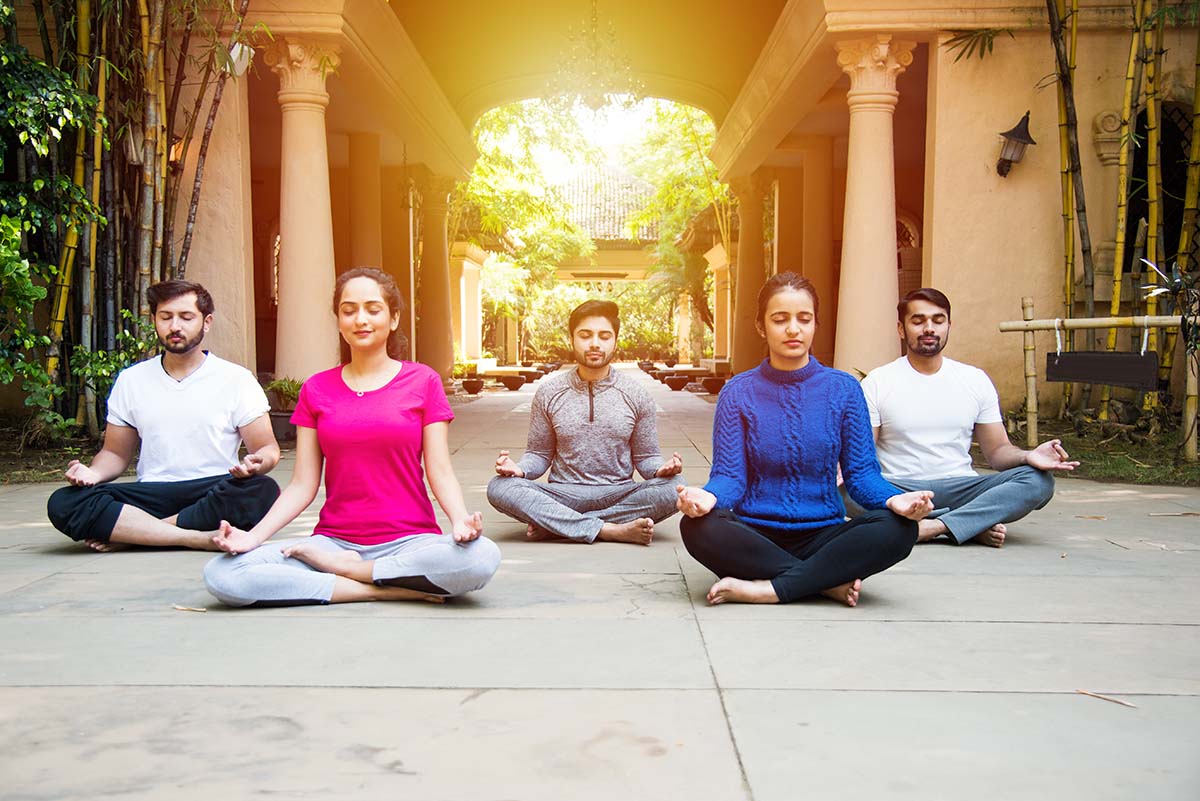
India’s contributions are equally foundational. Meditation, rooted in ancient spiritual traditions and later adapted across cultures and disciplines, has become one of the most widely researched wellness practices in the world. Yoga, too, extends far beyond physical flexibility. Traditionally, it encompasses ethical living, breathwork, concentration, and meditation alongside movement.
POP CULTURE FOOTNOTE
Yoga may now be a fixture in fitness studios across the globe, but UNESCO’s 2016 inscription of yoga as an Intangible Cultural Heritage of Humanity underscored its far deeper cultural and philosophical roots.
It’s perhaps one of history’s more fascinating cultural journeys that yoga, once practiced by ascetics in the Indian subcontinent, now fills studios from Tokyo to Toronto.
Food as everyday nourishment
Modern nutrition trends often chase the next superfood. Japan and India have long focused on something rather less glamorous but arguably more sustainable: eating in rhythm with life.
Japanese cuisine celebrates seasonality through the concept of shun, enjoying ingredients at their natural peak. Freshness, moderation, and variety often matter more than abundance, while meals traditionally emphasize balance across multiple small dishes rather than oversized portions.

TRY THIS
Before splurging on imported wellness foods, visit your local market instead. Choosing fruits and vegetables that are naturally in season often delivers better flavor, better value, and a smaller environmental footprint.
Ayurveda similarly encourages seasonal eating, adapting foods according to climate, individual constitution, and digestive health. Rather than prescribing one universal “perfect diet,” it recognizes that what nourishes one person may not necessarily suit another.
It also reminds us to pay attention to how we eat. Sitting down, chewing slowly, and stepping away from our screens may be among the simplest wellness upgrades available, yet they’re often the first habits modern life pushes aside.
It’s a surprisingly contemporary idea wrapped in ancient wisdom: context matters.
Purpose, balance, and the long view
Few Japanese concepts have traveled as widely in recent years as ikigai, often translated as one’s “reason for being.” Yet it’s also among the most misunderstood.
Popular culture has frequently reduced ikigai to tidy Venn diagrams about careers and passions. In reality, scholars note that the Japanese understanding is often much simpler and more personal. It may be found in meaningful work, certainly, but just as easily in tending a garden, caring for grandchildren, pursuing a favorite hobby, or sharing breakfast with family.
WORTH KNOWING
Many Japanese researchers caution against turning ikigai into another productivity hack. For countless people, it isn’t about career ambition at all. Sometimes it’s as simple as looking forward to your morning coffee, your evening walk, or time spent with people you love.
India offers its own nuanced perspectives through concepts such as dharma, broadly understood as living in accordance with one’s responsibilities, values, and purpose within the wider community.
While these ideas arise from different philosophical traditions, both gently push back against today’s relentless productivity culture. Fulfilment, they suggest, isn’t necessarily about doing more. It’s about living with greater intention.
Ancient wisdom for modern lives
For busy professionals juggling meetings, deadlines, family commitments, and inboxes that appear to reproduce overnight, these traditions needn’t require dramatic lifestyle overhauls. Instead, consider borrowing a few pages from both cultures: take regular walks in green spaces without headphones, build simple rituals into your mornings or evenings instead of relying solely on willpower, eat more seasonally whenever possible, treat meals as moments to pause rather than pit stops, and view rest not as a reward to be earned, but as essential maintenance.
You don’t have to embrace every practice to benefit from the philosophy behind them.
You don’t have to embrace every practice to benefit from the philosophy behind them. Think of wellness less as a complete lifestyle makeover and more as cultural cross-pollination. Borrow what genuinely fits your life, leave what doesn’t, and build a routine that’s sustainable rather than performative.
In a world constantly promising the next revolutionary wellness breakthrough, Japan and India quietly remind us that some of the most enduring practices have been with us all along. None of these ideas are particularly flashy, and that’s precisely the point. Different paths, shared wisdom, and surprisingly practical lessons for modern living. Their traditions emerged independently, yet arrived at remarkably similar conclusions: health isn’t found in quick fixes or viral trends, but in the small, consistent ways we care for ourselves, one another, and the world around us.
Perhaps the oldest wellness lesson turns out to be the most relevant of all. The good life isn’t something we purchase. It’s something we practice.