
The Indo-Japan Business Council (IJBC) is a leading bilateral chamber promoting collaboration between India and Japan in business, trade, education, and culture.
Bridges spoke with IJBC President Siddharth Deshmukh about the council’s role in strengthening India–Japan relations.
Bridges: What are you most proud of regarding the Indo-Japan Business Council’s achievements and milestones?
Deshmukh: What makes me most proud is not the number of conferences, delegations, or programs that IJBC has organized. It is that, over the years, we have helped make the India–Japan relationship more accessible.
Traditionally, India–Japan engagement has been driven by governments, large corporations, and major infrastructure projects. Those remain vital. At the same time, we have always believed that the relationship becomes stronger when SMEs, universities, young professionals, educators, and regional institutions also find meaningful ways to participate.
With that belief, IJBC has worked to create practical opportunities for dialogue and collaboration through business, education, language, and cultural understanding. Whether creating opportunities for SMEs, promoting Japanese language initiatives, or strengthening engagement beyond the traditional centers of cooperation, our objective has remained the same — to broaden participation in the bilateral relationship.
One lesson I have learned over the past 25 years is that, in the India–Japan relationship, trust is the first investment. It is built patiently through continuity, reliability, and a willingness to remain engaged beyond a single meeting or transaction.
For much of the past 75 years, India and Japan have built a relationship founded on mutual trust and respect.
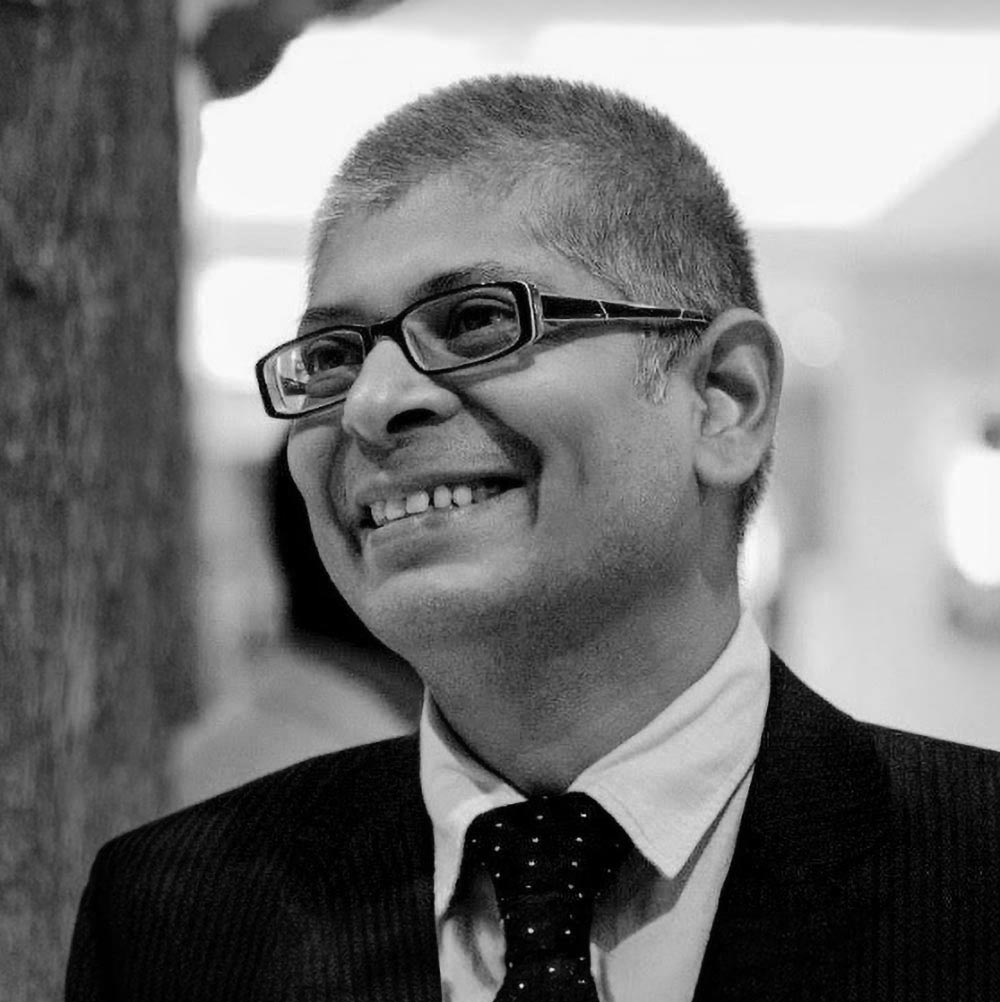
Siddharth Deshmukh, President, Indo-Japan Business Council (IJBC)
If IJBC has contributed, even in a small way, to strengthening that trust and widening participation, I would consider that our most meaningful achievement. Institutions are ultimately measured not only by what they organize, but by the confidence they inspire and the relationships they help sustain.
What challenges and opportunities do Japanese and Indian companies face when working more closely together?
The biggest challenge is often not technology, cost, or capability. It is understanding how each side builds confidence.
Japanese companies generally invest time before making commitments. They value preparation, consistency, quality, and long-term reliability. Indian companies, on the other hand, are often more entrepreneurial, adaptive, and comfortable making decisions quickly. Neither approach is right or wrong — they simply reflect different business cultures.

The strongest partnerships are built when both sides make a genuine effort to understand each other’s expectations rather than expecting the other to adapt completely. In my experience, many misunderstandings arise not from language, but from assumptions about timelines, communication, decision-making, and what constitutes commitment.
The opportunities today are significant because the strengths of the two countries are increasingly complementary. India’s manufacturing capabilities, digital innovation, skilled workforce, and growing domestic market complement Japan’s strengths in advanced technology, precision, quality systems, and long-term industrial thinking. As supply chains continue to diversify, India and Japan have an opportunity to build partnerships based not merely on transactions, but on shared value creation.
Successful India–Japan business is ultimately built on trust, patience, and a willingness to learn from one another. Those qualities remain more valuable than any contract.
As India and Japan prepare to celebrate 75 years of diplomatic relations next year, where do you feel the relationship is heading in terms of economic collaboration and people-to-people exchanges?
For much of the past 75 years, India and Japan have built a relationship founded on mutual trust and respect. The next chapter, in my view, is about widening participation in that relationship.
Economic cooperation will continue to grow through manufacturing, technology, infrastructure, clean energy, and resilient supply chains. At the same time, I believe the greatest opportunity lies in enabling many more SMEs, startups, universities, researchers, and young professionals to become active participants in the India–Japan story.

People-to-people connections will become even more important. Language, cultural understanding, academic exchange, and professional mobility are no longer simply cultural aspects of the relationship — they are increasingly becoming economic enablers. Strong business partnerships are ultimately built by people who understand and trust one another.
I also believe regional engagement will become increasingly important. The future of India–Japan cooperation will not be defined only by capital cities, but also by states, prefectures, universities, industrial clusters, and local business communities working together.
The 75th anniversary is therefore more than a celebration of what has already been achieved. It is an opportunity to broaden the relationship so that many more people and institutions can help shape the next chapter of India–Japan relations. The success of that chapter will not be measured only by larger trade figures or new agreements, but by how many more businesses, universities, young professionals, researchers, and communities begin to see themselves as active participants in the India–Japan relationship.