
Japanese investment is assuming an increasingly important role in Australia’s real estate market, bringing patient capital, development expertise and a long-term approach to partnership at a time when the country faces substantial housing and infrastructure needs.

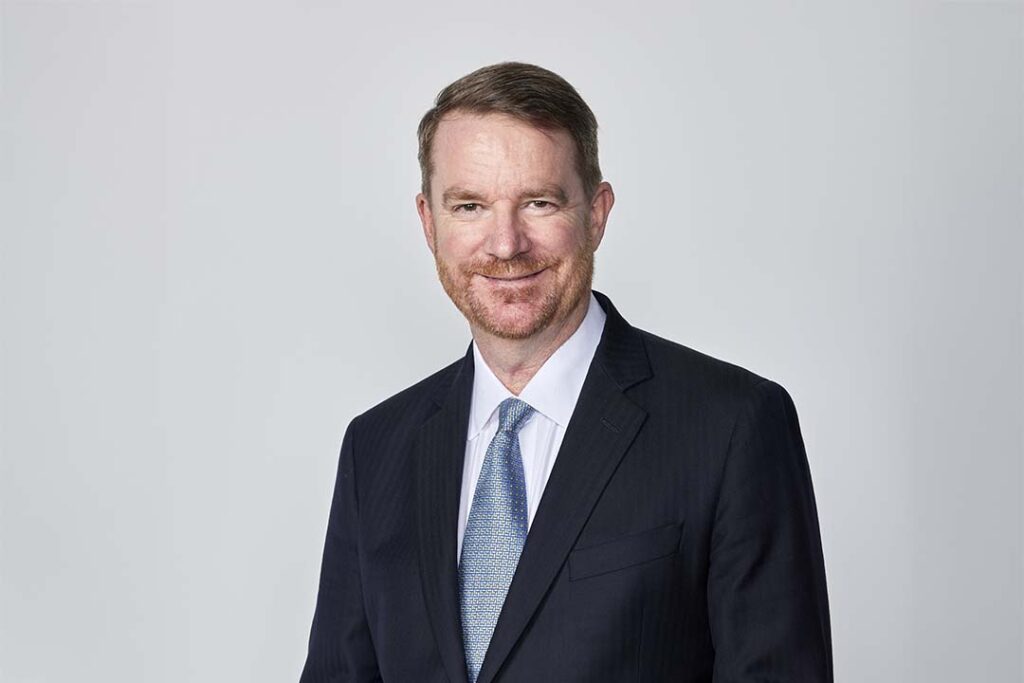
Andrew Gauci, chairman of Lendlease Japan and executive director of development partnerships at Lendlease, has witnessed the relationship develop from both sides of the market. Lendlease’s presence in Japan stretches back nearly four decades, evolving alongside the country’s real estate sector.
“Lendlease has been in Japan since 1988, early on as a project management company and becoming a developer and investor today. We were, in fact, the first project management firm in Japan’s real estate sector, introducing a model focused on running projects on behalf of owners mitigating an over reliance on general contractors.”
Today, the flow of real estate expertise and investment increasingly runs in both directions. Japanese developers and investors are expanding their presence in Australia, partnering with local companies on major residential, commercial and mixed-use developments.
“There is a significant and growing presence of Japanese players in the Australian real estate sector, and that trend continues to build momentum,” Gauci said.
The scale of these partnerships is already considerable. Lendlease alone is working on approximately $15 billion in projects with Japanese partners, demonstrating how institutional investment can help unlock developments that require substantial capital and long delivery horizons.
“In Australia, we have around $15 billion worth of projects with our Japanese partners. Their role has been critical in addressing the housing shortage, as increasing supply requires large-scale, long-term investment—exactly what these partnerships provide.”
Japanese companies are also contributing practical construction expertise that could help accelerate housing delivery. Through Rawson Group, which became part of Daiwa House Group in 2018, Daiwa House Australia is introducing methods already widely used in Japan.
“At Rawson, we are promoting off-site construction, which is often referred to as prefabricated housing in Japan. This approach helps shorten construction time, reduce costs, and ensure consistent quality,” Daiwa House Australia said.
“We believe this will contribute to more affordable housing and improved customer satisfaction,” the company said.
Australia’s growing population and persistent housing constraints have created a strong need for new investment across residential development. Japanese companies, with experience delivering complex urban projects in dense and highly regulated markets, are well positioned to contribute capital and technical knowledge.
“When international practices are introduced with a strong understanding of Japanese culture and society, businesses can be very successful. That is the approach we aim to take.”
Andrew Gauci, Chairman of Lendlease Japan and Executive Director of Development Partnerships at Lendlease

“Development standards in Japan are extremely high, and Japanese developers bring deep expertise. As they gain more exposure to the Australian market over the next five to 10 years, that experience will contribute meaningfully to improving the sector,” Gauci said.
The opportunity extends beyond constructing new buildings. Investors are also examining how existing properties can be upgraded, repositioned and adapted to meet changing market expectations.
“In addition to new developments, there is growing activity in the repositioning of assets , or what is known as value-add. We expect to see more of these projects—enhancing existing assets—moving forward.”
Gauci said success in either market requires more than transferring an established business model. International expertise must be combined with a strong understanding of local culture, market conditions and community expectations.
“When international practices are introduced with a strong understanding of Japanese culture and society, businesses can be very successful. That is the approach we aim to take.”
This sensitivity to local conditions is equally important for Japanese companies entering Australia. While the two countries share strong institutional and commercial foundations, successful real estate development remains closely tied to relationships with local partners, government authorities, communities and industry specialists.
Long-term commitment to Australian communities

Odakyu began operating in Australia in 2018 and has since developed a positive view of the country’s business environment and partnership culture.
“Since Odakyu began operating in Australia in 2018, we have been impressed by the respect Australians show for their business partners and their genuine effort to understand their counterparts’ circumstances. Australia offers a strong business environment, supported by stable economic and population growth, as well as the open and friendly mindset of its people. For Japanese companies in particular, this is further strengthened by the long-standing bilateral relationship. Australia represents an ideal destination for Japanese businesses, including ours, to invest, grow, build long-term partnerships, and contribute to the communities they serve,” said Kanji Ochiai of Odakyu Australia.
That emphasis on enduring local relationships is shared by Mitsubishi Estate, whose international strategy centers on working alongside experienced partners in the markets where it invests.
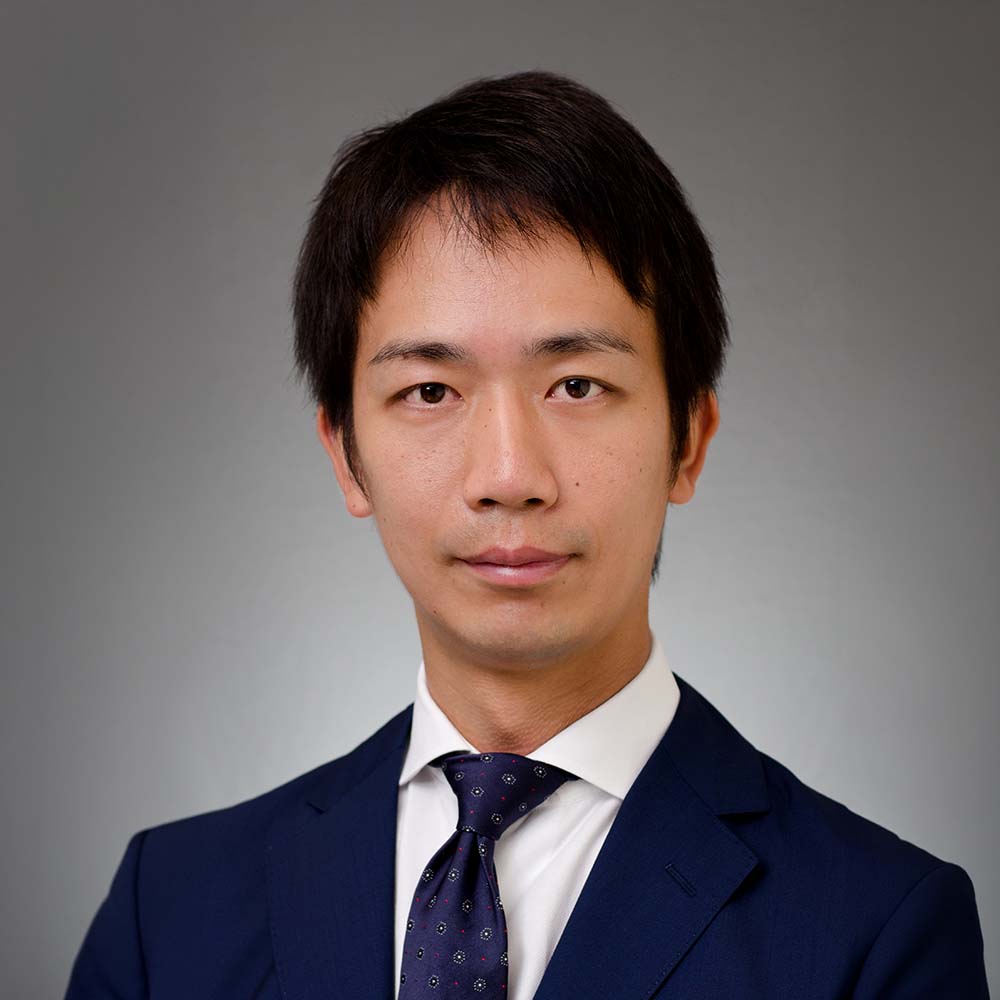
“Our most important strategy is to develop a long-term relationship with local partners. Our approach is focused on long-term commitment and value creation in the markets where we operate,” said Yosuke Matsunaga, executive director and head of Australia at Mitsubishi Estate Asia.
The approach reflects a broader feature of Japanese real estate investment. Rather than focusing solely on individual transactions, Japanese companies frequently seek relationships that can grow across multiple projects and economic cycles.
Local partners contribute market knowledge, development capabilities and established networks, while Japanese investors offer financial capacity, international experience and a patient investment horizon. This complementarity is becoming particularly important in emerging property segments.
New opportunities in build-to-rent
Build-to-rent is one area attracting greater attention as Australia seeks new models for increasing professionally managed rental housing. The sector requires substantial upfront investment, operational expertise and a willingness to hold assets over the long term, characteristics that align closely with the strategies of many Japanese institutional investors.
AsheMorgan Joint CEO Mendy Moss sees a natural fit between Japanese capital and Australian real estate capabilities.
“Japan and Australia are natural partners in business and especially in real estate. Japanese investors bring financial strength, global standards and a genuine long-term perspective — qualities that complement AsheMorgan’s deep local expertise and market knowledge.”
Mendy Moss, CEO of AsheMorgan Joint
“Japan and Australia are natural partners in business and especially in real estate. Japanese investors bring financial strength, global standards and a genuine long-term perspective — qualities that complement AsheMorgan’s deep local expertise and market knowledge. Our collaborations to date have reinforced our conviction that this bilateral relationship will only deepen. The opportunity ahead, particularly in build-to-rent, is significant and we are excited to be helping shape it together.”
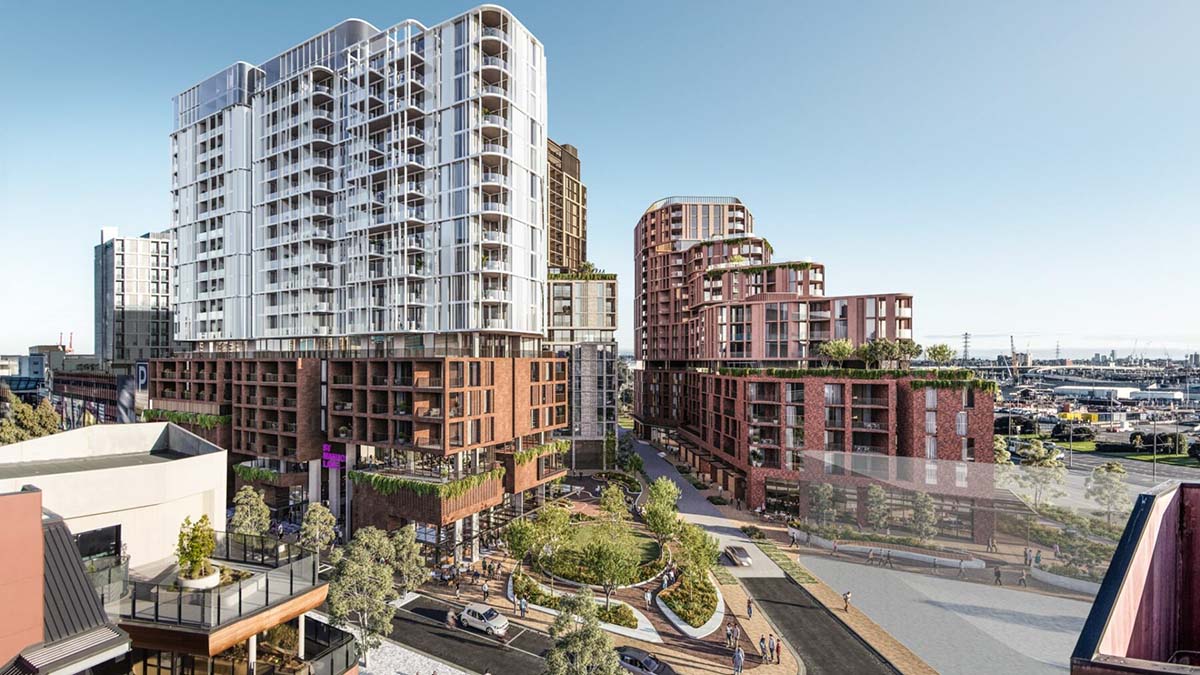
The growth of build-to-rent could offer Japanese investors exposure to Australia’s expanding cities while supporting the delivery of additional housing. It also demonstrates how bilateral real estate cooperation is moving into asset classes that remain relatively new in Australia but are well established in other major international markets.
Collaboration through architecture and design

Australia-Japan real estate cooperation also reaches beyond investment and development. Architects, engineers and contractors are sharing expertise through complex civic, cultural and sporting projects in both countries.
COX Architecture’s engagement with Japan grew from connections established during the international competition for the Japan National Stadium in 2012. Those relationships later led to work with Japanese construction and architectural companies on major venues.
“COX’s engagement in Japan has grown through long-standing relationships built on shared expertise and a commitment to delivering complex civic and sporting infrastructure. Following our runner-up position in the international competition for the Japan National Stadium in 2012, we established key connections in Japan that led to our appointment by Obayashi Corporation to provide specialist sports architecture and Olympic consultancy on the Tokyo Aquatics Centre. This collaboration has since expanded over the past decade to projects including GLION Arena Kobe and the Nagoya Arena, alongside a staff exchange program that strengthens knowledge sharing between our teams.
“COX’s engagement in Japan has grown through long-standing relationships built on shared expertise and a commitment to delivering complex civic and sporting infrastructure.”
Alastair Richardson, Director at COX Architecture
“More recently we have also formed a relationship with Azusa Sekkei reflecting a complementary approach to design in Australia and Japan. The relationship has been formalised through our collaboration on the Brisbane Stadium, the centrepiece of the Brisbane 2032 Olympic and Paralympic Games which we are currently working together on,” said Alastair Richardson, director at COX Architecture.
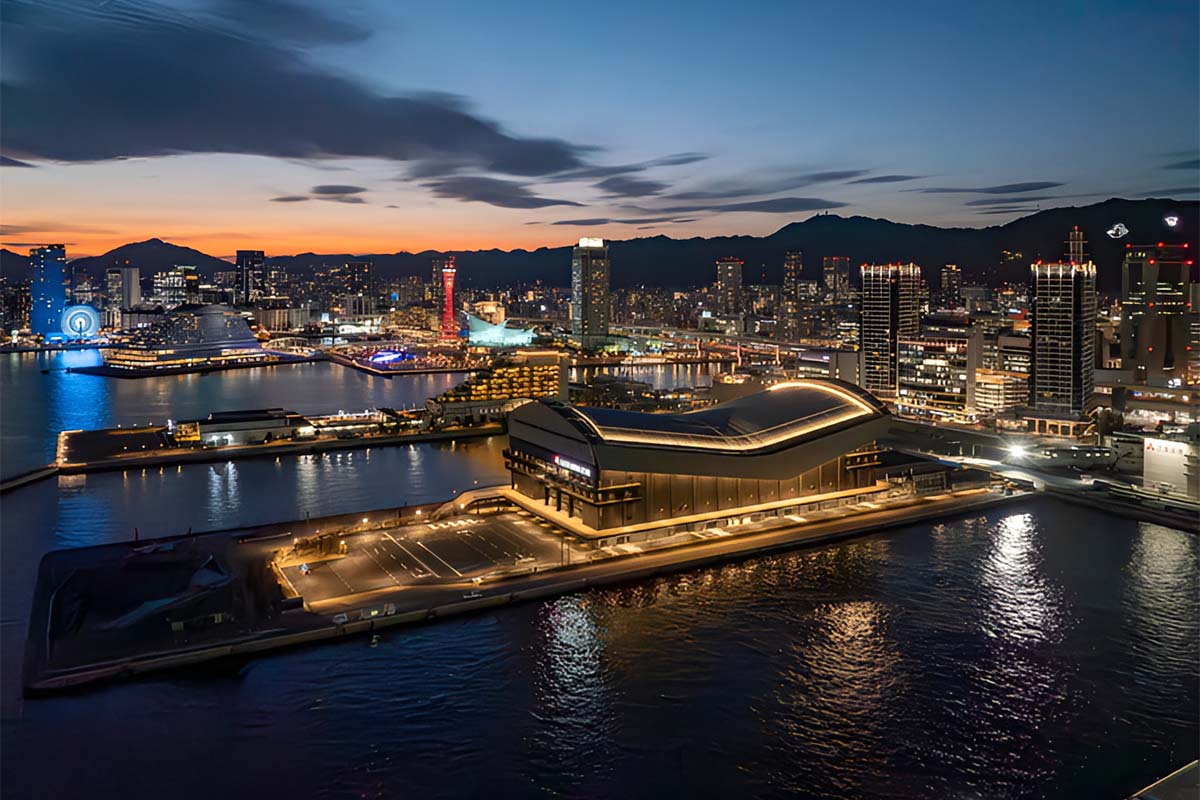
Such partnerships demonstrate how bilateral engagement can create sustained exchanges of knowledge rather than being limited to a single project. Staff exchanges and joint project teams allow Australian and Japanese specialists to learn from different approaches to planning, construction, design and the delivery of major public infrastructure.
A relationship of growing strategic importance
Real estate forms part of a much broader Australia-Japan relationship encompassing security, energy, food, infrastructure and investment. Gauci said the strength of those connections is helping both countries respond to domestic priorities while supporting the international growth of their companies.
“At this point, the Australia-Japan relationship has never been more important. This is evident not only in defense, but also in energy and food security. In sectors such as real estate, it helps address Australia’s housing needs while also supporting Japanese developers’ international growth.”
The relationship’s future will be determined not simply by the volume of Japanese capital entering Australia, but by the quality of the partnerships behind it. Developers, investors and designers from both countries are increasingly combining Japanese financial strength and technical capabilities with Australian market knowledge, development platforms and growth opportunities.
From new housing and build-to-rent projects to asset repositioning and major civic infrastructure, these collaborations are helping shape the next generation of Australian cities. Built on trust, cultural understanding and long-term commitment, Australia-Japan real estate cooperation is well positioned to deepen in the years ahead.