
A business spanning construction, development, apartment sales, building products, equipment hire, energy and emerging modular capability sits behind McNab’s 30th year, reinforced by recognition as one of Australia’s Top 100 Best Workplaces 2025 by Great Place to Work Australia and UDIA Queensland’s 2025 Employer of Choice.
CEO Kunjan Ganatra discusses how the company’s integrated model supports long-term partnerships, why Japanese groups value trust, quality and disciplined execution, and where he sees opportunities in housing delivery, productivity and Australia-Japan collaboration.

Bridges: How has McNab’s relationship with Japanese partners evolved in recent years, particularly through your collaboration with Mitsubishi Estate Asia?
Ganatra: Our relationship with Japanese partners has evolved from traditional capital relationships into something much more strategic and long-term.
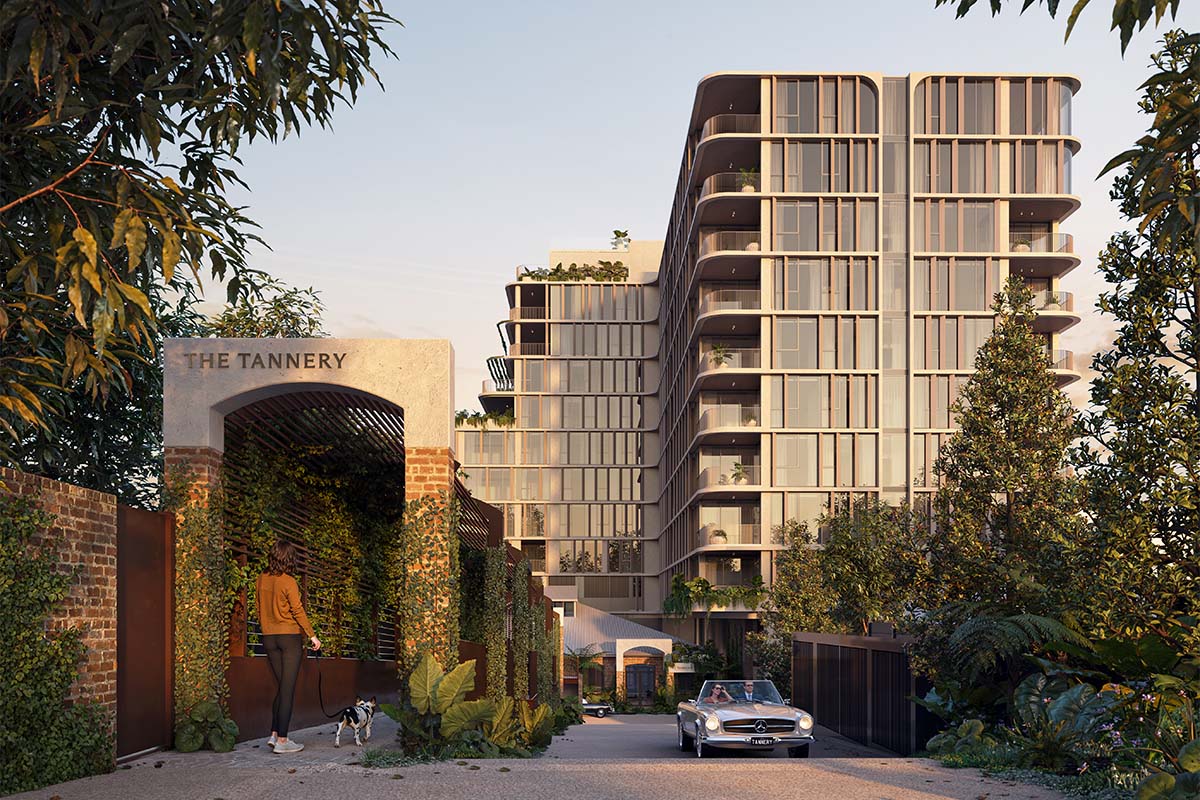
The partnership with Mitsubishi Estate Asia across our apartment developments including Elements on the Gold Coast and The Tannery in Brisbane is a strong example of that evolution. What attracted them to McNab was not just the individual projects themselves, but the way we operate as an integrated business with capability across development, construction and apartment sales.
We’re one of Australia’s largest integrated construction and property groups, and there is a strong cultural alignment around long-term thinking, quality and disciplined execution. Japanese groups place significant emphasis on trust and consistency over time, which aligns closely with how we operate as a business.
What opportunities do you see emerging between Australia and Japan in the property and development sector?
Significant opportunities exist between Australia and Japan, particularly in Queensland where strong population growth, interstate migration and economic investment continue to drive demand across housing, industrial and infrastructure sectors.
Australia offers very strong long-term fundamentals, while Japanese groups bring deep institutional experience, patient capital and global expertise across development, construction and urban planning.
We also see growing opportunities around modular and industrialised construction, where Japanese businesses have long been global leaders. As Australia looks for ways to improve housing delivery, productivity and quality outcomes, there is a lot the local market can learn from that experience and innovation.
What differentiates McNab is that we have deliberately built an integrated model rather than relying on fragmented supply chains and outsourced capability.
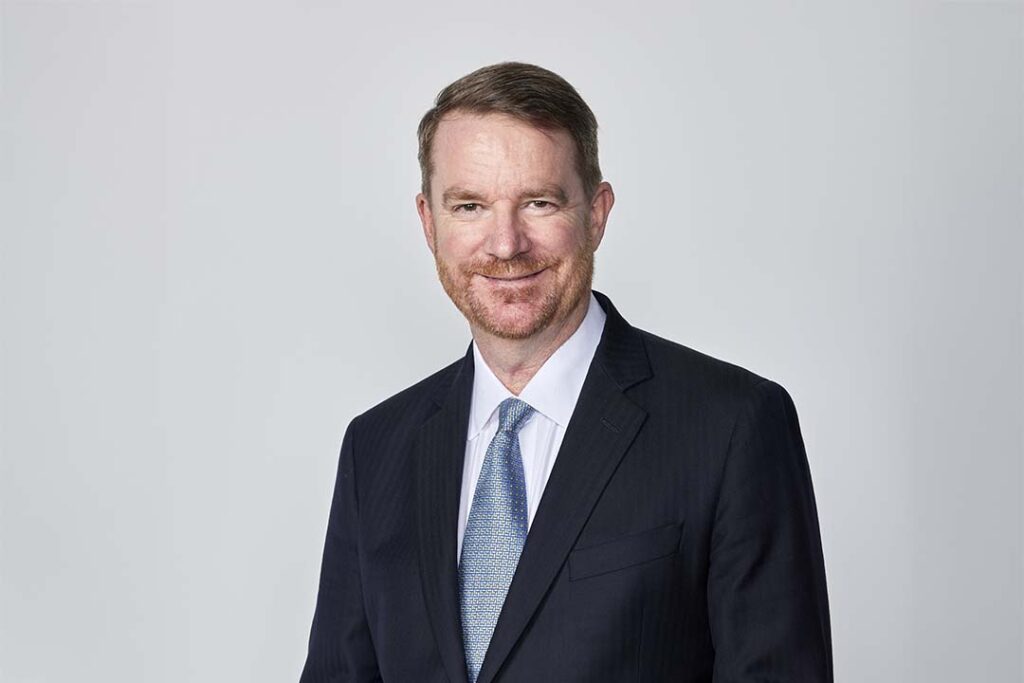
Kunjan Ganatra, CEO of McNab

What differentiates McNab’s approach and long-term vision in today’s market?
What differentiates McNab is that we have deliberately built an integrated model rather than relying on fragmented supply chains and outsourced capability.
Over more than 30 years we have expanded beyond construction into development, building products, equipment hire, energy and emerging modular capability because we believe greater control creates better outcomes for clients and partners.
Importantly, we also have an intimate understanding of our local markets. Because we operate across both development and construction, we are constantly reading how people want to live, where demand is shifting, and what design outcomes resonate most strongly with buyers and communities.
That allows us to create buildings and places that are commercially successful, highly liveable and aligned to long-term market trends rather than short-term cycles.
Looking ahead, what are McNab’s priorities for growth and collaboration over the coming years?
Our priorities are centred around sustainable long-term growth and continuing to evolve the Group beyond a traditional construction company.
That includes expanding our development pipeline, growing our supply and energy businesses, advancing modular and industrialised construction capability, and continuing to invest in technology and productivity improvements.
Partnerships will remain a major part of that strategy. We see strong future potential for deeper collaboration with international groups, particularly those who share a long-term mindset and focus on delivering quality, innovation and trust-based relationships.