
From screen-induced wanderlust to a nuanced cultural exchange, can the “White Lotus effect” elevate travel between Japan and Thailand without eroding the very beauty it sells?
Prestige TV—high-budget, critically acclaimed television series—has influenced modern lifestyles in ways we don’t even realize. Case in point, it has rewired luxury travel between Thailand and the world. Ever since The White Lotus turned its lens toward Thailand, fiction has become flight plans, and the ripple has been immediate—and lucrative. Bookings have spiked, search traffic has surged, and suddenly, a once-serene beachfront has become a global mood board. This is the now-documented “White Lotus effect”: cinematic storytelling as a high-powered tourism engine.
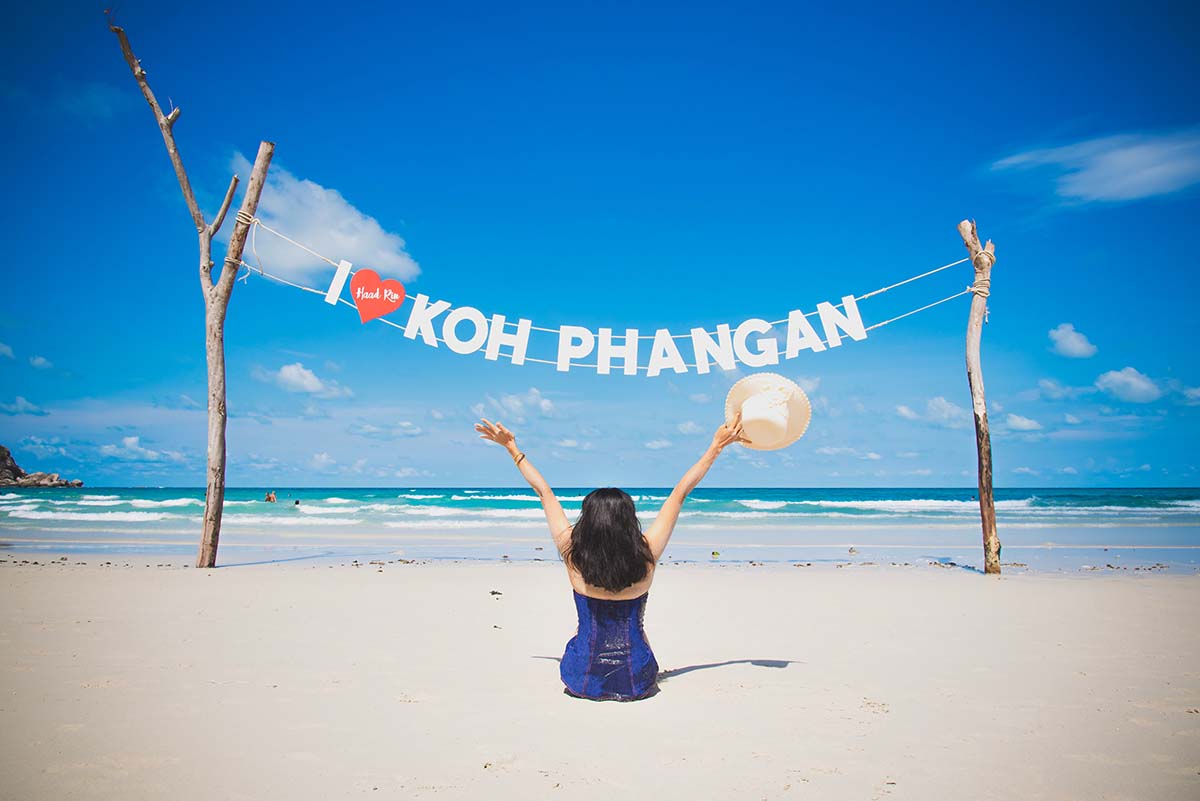
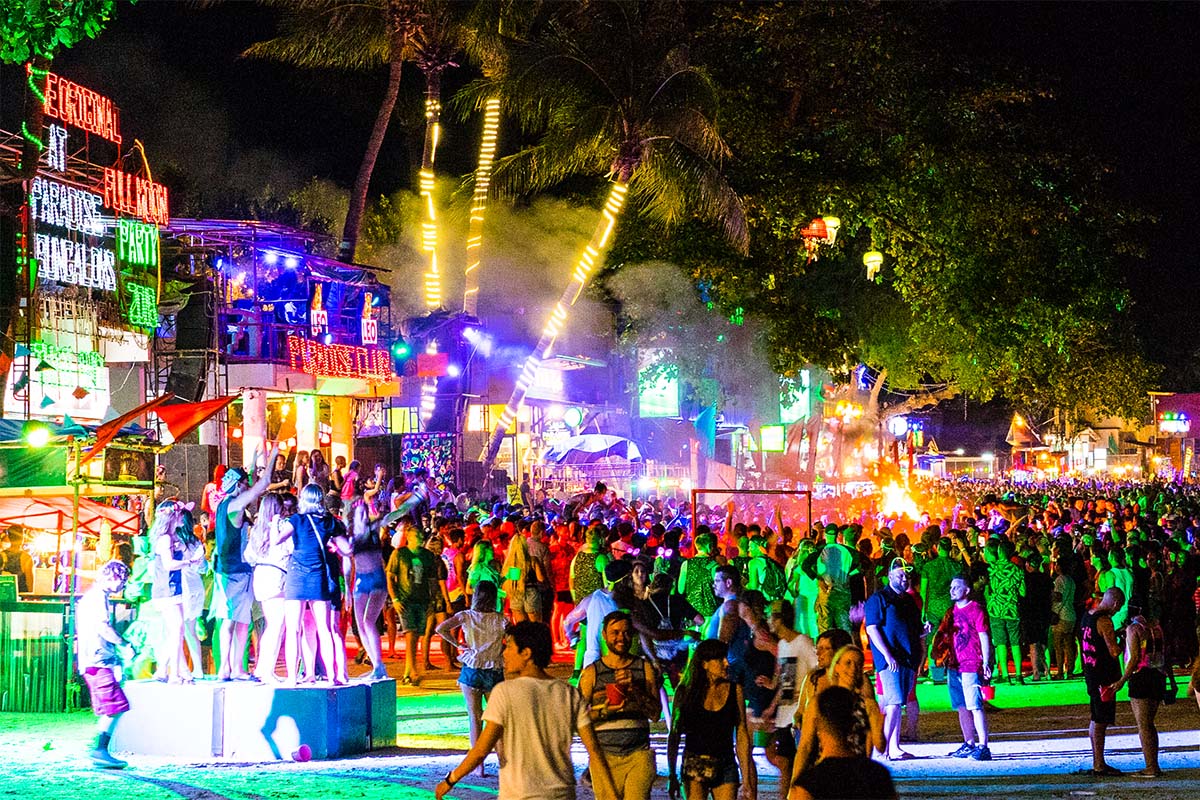
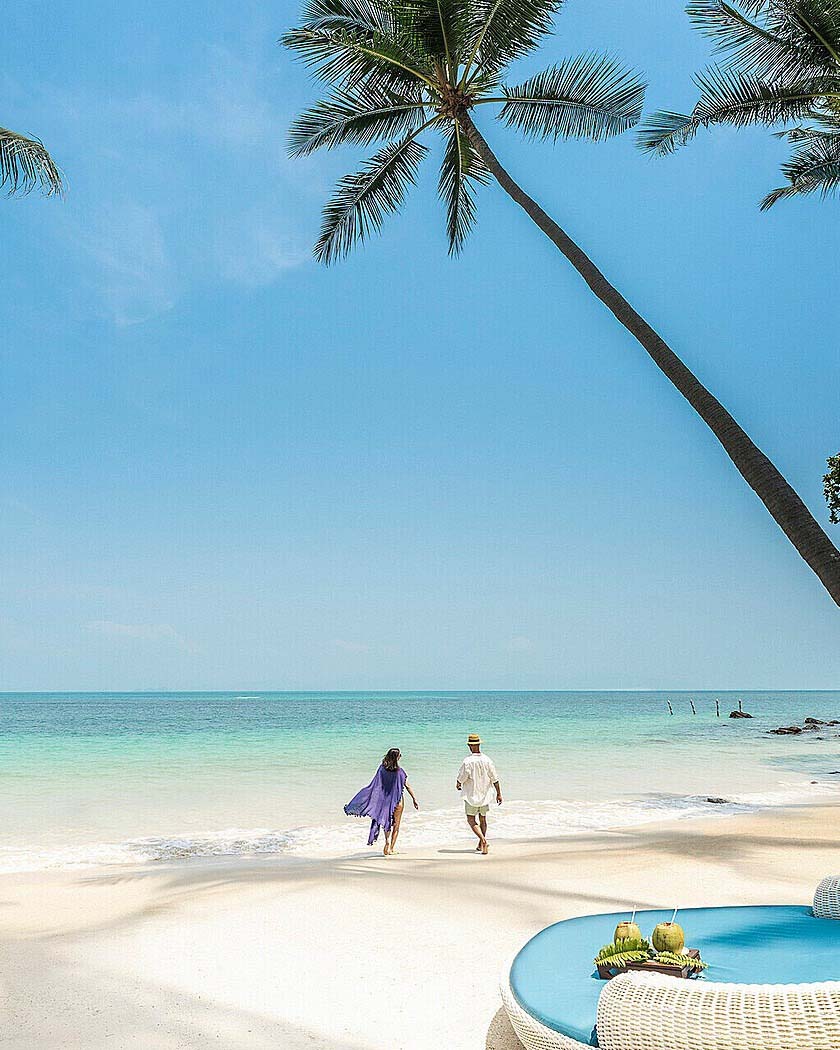
Scenes from The White Lotus have highlighted some of Thailand’s most photogenic destinations, from Choeng Mon Beach and the legendary Full Moon Party at Haad Rin on Ko Pha Ngan to cultural and scenic sites such as Wat Pu Khao Thong, Dusit Dheva Cultural Park, and Mu Ko Ang Thong National Marine Park. Local hotspots featured on the series, like Fisherman’s Village & Night Market in Bophut, showcase authentic Thai lifestyle and cuisine, while on Phuket, Ya Nui Beach, Café Del Mar, and the Bangla Boxing Stadium offer a mix of leisure and adventure. Luxury resorts have also played a starring role, including Anantara Lawana Koh Samui Resort with its iconic Singing Bird Lounge, Anantara Bophut Koh Samui Resort, Rosewood Phuket’s Ta Khai Restaurant, the Mandarin Oriental in Bangkok, and Villa Amaravida in Phuket. This combination of beaches, cultural sites, local markets, posh resorts, and upscale hotels has sparked noticeable interest among international tourists, driving bookings and travel inquiries to these destinations.
But beneath the obvious lies something more nuanced—and more interesting. The show isn’t just drawing Western travelers; it’s potentially catalyzing a subtler cross-cultural dialogue, a broader, emerging pattern of cross-cultural exchange between Japan and Thailand, particularly within the luxury travel sphere. Think less “tourist boom,” more aesthetic and experiential exchange—where Japanese precision meets Thai hospitality and both are viewed through a glossy, HBO-filtered lens.
Japan’s sublime fascination with Thai luxury
For Japanese travelers—long known for their discerning taste and deep respect for cultural nuance—Thailand has always held appeal. But The White Lotus reframes it, amplifying these existing travel patterns rather than creating them outright. The show’s slow, voyeuristic pacing mirrors the Japanese appreciation for ma (間), that intentional pause, that space between moments.
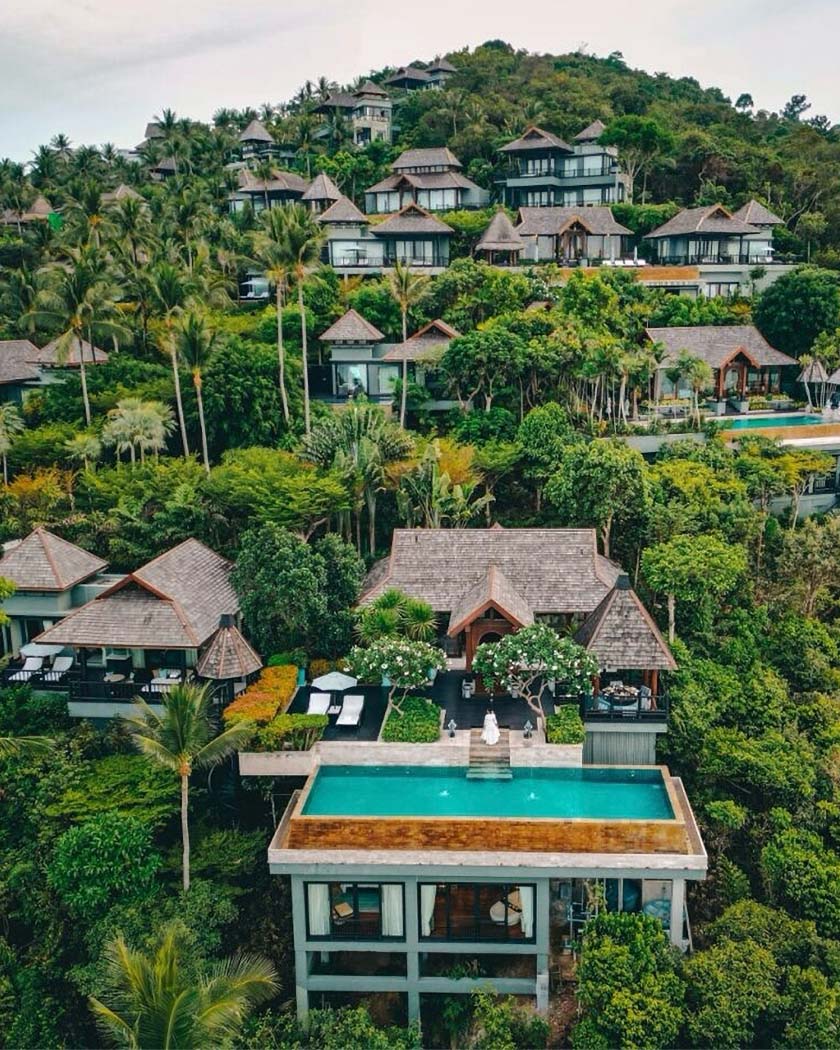
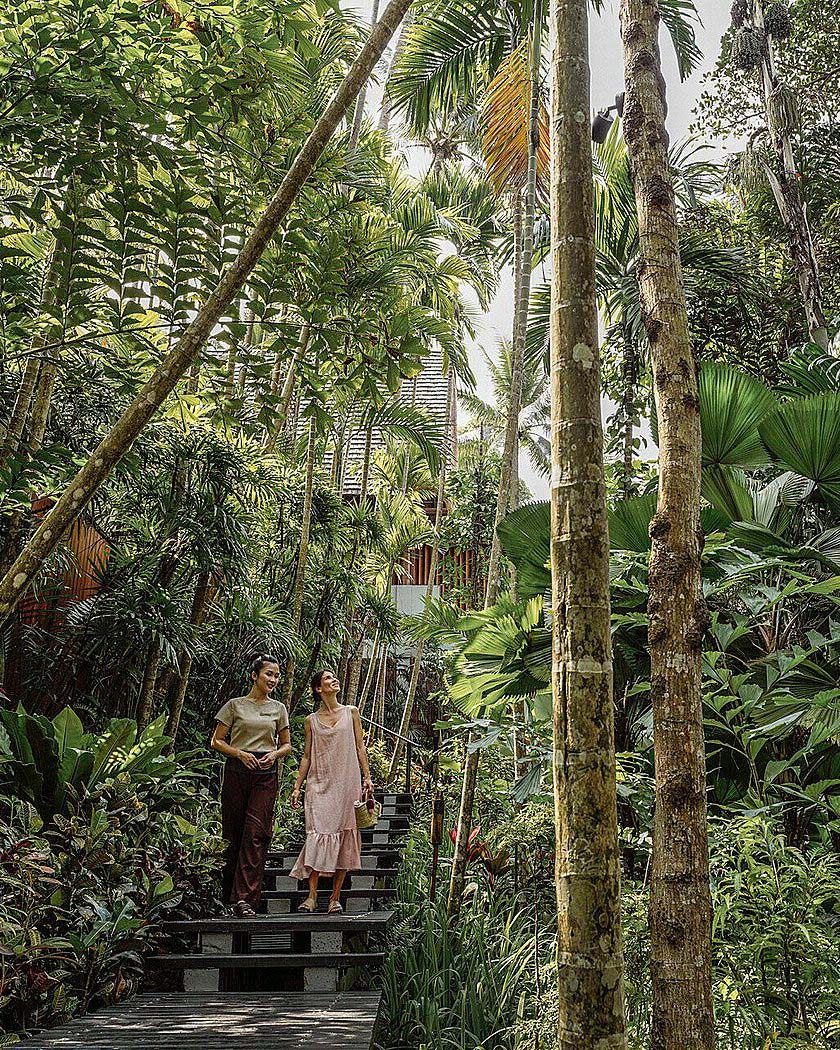
High-end Thai resorts, especially those spotlighted in the series, already align with Japanese ideals through meticulous service, architectural harmony with nature, and a near-spiritual attention to detail. Properties like Four Seasons Resort Koh Samui and Anantara Mai Khao Phuket Villas—locations where the show filmed extensively—offer exactly this blend, where villas cascade into jungle and sea with organic precision. Japanese luxury travelers value this as more than just a vacation; it’s a curated sensory experience that echoes omotenashi (おもてなし), Japan’s philosophy of anticipatory hospitality.
It’s also why timing becomes part of the strategy. Japanese travelers often book during shoulder seasons—where crowd density can drop by 30–40% compared to peak periods. Booking during May to June or September often means rates are 15–25% lower than high season, without compromising service quality.
In recent years, there has likewise been a push to position Thailand as a luxury destination for younger (Gen Z and Gen Y) Japanese travelers, who are captivated by Thailand’s cultural appeal and soft power—an admiration that aligns perfectly with the current White Lotus phenomenon. Notably, Japanese tourists in this demographic are often influenced more by lifestyle marketing than traditional promotion, making the show’s aspirational settings and experiences a natural extension of Thailand’s broader marketing goals.

Thailand as a global stage—again
Thailand is no stranger to cinematic allure. But The White Lotus elevates it from backdrop to protagonist. The country’s multifaceted identity—spiritual, hedonistic, chaotic, serene—fits perfectly with the show’s tension between indulgence and introspection.
This duality appeals to Japanese audiences, who often seek a similar rhythm in travel: urban intensity balanced by island leisure, structured itineraries softened by spontaneous discovery. Thailand delivers both with ease, allowing travelers to move seamlessly from the electric hum of Bangkok to the more meditative mode of its islands.
Increasingly, this has translated into more thoughtfully designed itineraries. Japanese tour operators and travel planners report demand for 2–3 nights in Bangkok followed by 3–5 nights in island destinations like Koh Samui or Phuket. Insights from the Tourism Authority of Thailand (TAT) Japan Office show that the ‘Bangkok + Beach’ combination is among the most popular itineraries for Japanese travelers, with multi-destination trips typically ranging around 5–8 nights, but often stretching to over 10 days.
Travelers are crafting journeys that begin with Bangkok’s design districts, culinary hotspots, and curated retail experiences before easing into the slower tempo of the islands. The pacing feels almost narrative, echoing the emotional arcs of The White Lotus itself.
PRO TIP FOR TRAVELERS
When planning a ‘Bangkok + Beach’ itinerary, leave a buffer day when transitioning from the city to the islands. Spend your last morning in Bangkok at a low-key, design-focused café or boutique gallery to ease the shift from the city’s intensity to the islands’ serene rhythm. This small pause helps you fully appreciate the contrast, just as the show uses contrasting settings to heighten emotional impact.
For Japanese travelers—long known for their discerning taste and deep respect for cultural nuance—Thailand has always held appeal. But The White Lotus reframes it, amplifying these existing travel patterns rather than creating them outright.
The aesthetics of escape
Visually, the exchange becomes even more compelling. The show’s aesthetic—lush minimalism layered with sun-drenched palettes and understated opulence—feels strikingly aligned with Japanese design sensibilities. There’s an appreciation for negative space, slow luxury, and environments that don’t overwhelm but instead reveal themselves slowly and deliberately.
FUN FACT
The serene, understated luxury highlighted in the show echoes design principles that have long shaped Japanese ryokans and Southeast Asian resorts—think natural materials, carefully framed views, and interiors that invite calm and contemplation. These design choices existed long before any Hollywood production shone a spotlight on them.
In hospitality, these principles—simplicity, harmony with nature, thoughtful use of light, and tactile attention to materials—already inform the architecture and interiors of resorts across Thailand and beyond. The White Lotus merely amplifies the effect, making it easier for travelers to notice how spaces are designed to balance tranquility with subtle indulgence, and how landscaped gardens, secluded nooks, and refined dining settings encourage lingering and reflection. For travelers, this opens up a more deliberate way of experiencing Thailand. Instead of simply consuming a destination, you begin to notice signals of a deeper cultural interplay.
PRO TIP
To truly experience these tropical oases of luxury, slow down and engage your senses. Notice how sunlight shifts across a room, how textures feel under your hands, or how a garden path is carefully composed to guide your pace—minute yet memorable details that transform a stay into an almost cinematic experience.
The overtourism paradox
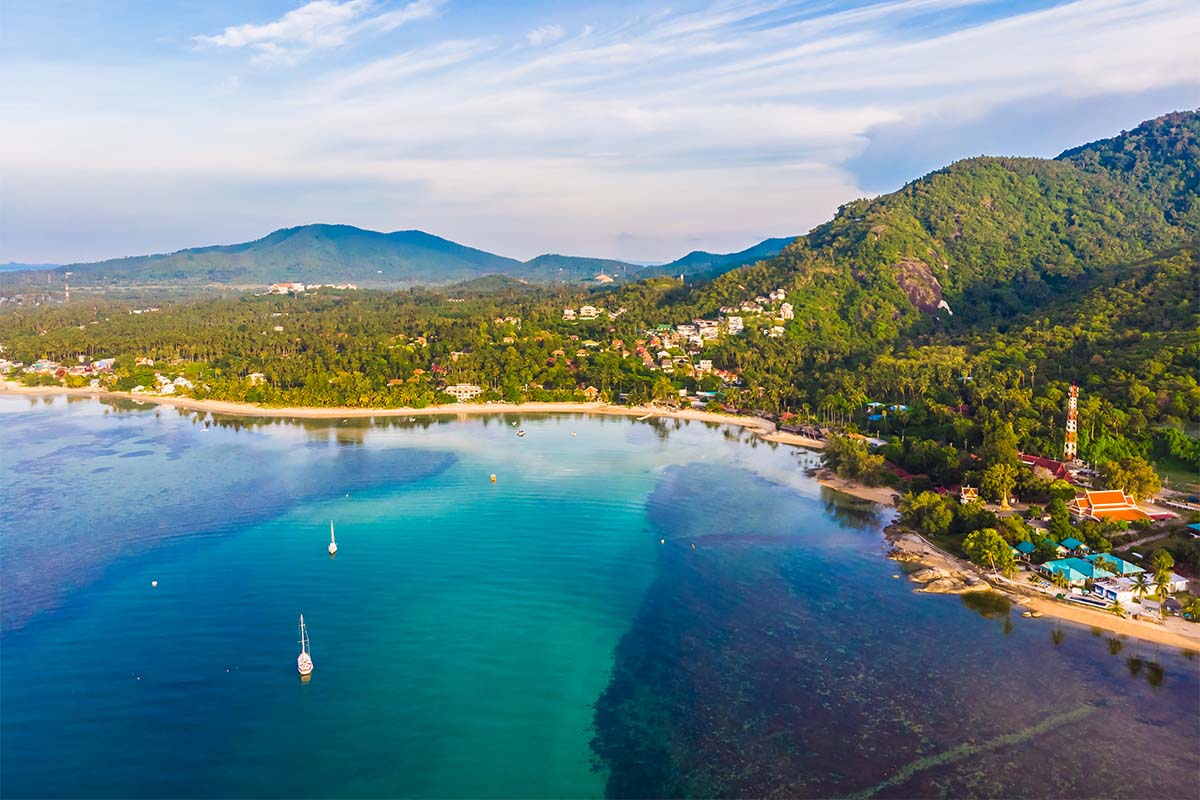
Of course, the same exposure that elevates a destination can also overwhelm it. Koh Samui, already a longtime favorite, is now facing renewed pressure, with tourism demand rising sharply in comparable “White Lotus effect” cases—often by 20% or more—putting strain on infrastructure and slowly eroding the intimacy that once defined the island.
This is where the phenomenon becomes more cautionary than celebratory. Luxury hospitality analysts and destination marketers note that discriminating travelers are increasingly attuned to this tension. There’s a growing move toward what might be called “quiet luxury” destinations—places that offer the same caliber of experience without the density of attention.
The adjustment doesn’t require abandoning Thailand, but rather approaching it with more intention. Choosing lesser-known islands such as Koh Yao Noi over headline destinations, opting for private villas instead of large-scale resorts, or even timing excursions midweek can significantly alter the experience. Midweek travel patterns matter, as occupancy can drop by 10–15% compared to weekends, subtly reshaping crowd flow. These are small, almost invisible decisions that collectively ease pressure on overcrowded areas while preserving a sense of discovery.
The show isn’t just drawing Western travelers; it’s potentially catalyzing a subtler cross-cultural dialogue, a broader, emerging pattern of cross-cultural exchange between Japan and Thailand, particularly within the luxury travel sphere.
Travel smarter, not trendier
Following in the footsteps of The White Lotus seems inevitable, for fans of contemporary popular culture—but doing so well requires a degree of discernment. The most rewarding trips often happen just adjacent to the obvious. Booking a property near, but not at, a filming location can yield the same visual and experiential rewards without the premium or the crowds. Booking near—but not inside—filming hotspots can reduce costs by 10–20%, while offering similar landscapes and design aesthetics. Layering a beach escape with cultural immersion—temple visits, market explorations, or intimate cooking sessions—adds depth that no television series can fully capture.
There’s also an increasing expectation and a clear behavioral shift, especially among seasoned travelers, to align luxury with responsibility. Over 70% of global travelers now express preference for environmentally responsible accommodation, reinforcing the move toward sustainability-conscious luxury travel. Many high-end Thai resorts are responding with meaningful sustainability initiatives, from reef restoration to zero-waste dining. Choosing these properties doesn’t just elevate your stay; it contributes to the longevity of the destination itself.
Even the rhythm of a day can be recalibrated. Early morning spa appointments, late-afternoon excursions, and purposeful downtime all create a more fluid, less crowded experience—one that feels closer to the spirit of the show, rather than its spectacle.
A new kind of cultural currency
What The White Lotus ultimately offers isn’t just escapism—it’s aspiration with consequences. It invites viewers into a world of curated excess, then tongue-in-cheek critiques it. And in doing so, it reshapes how—and why—we travel.
For Japan and Thailand, this moment is best understood not as a direct cause-and-effect shift, but as a broader, evolving cultural alignment. Japan brings restraint and precision; Thailand responds with warmth and sensory depth. It signals a refined cultural exchange, where design philosophies, hospitality traditions, and narrative storytelling intersect. Japan contributes its ethos of restraint and precision; Thailand responds with warmth, fluidity, and sensory richness. Together, they create a travel dynamic that feels both elevated and evolving.
The question now isn’t whether the world will keep coming. It’s whether we’ll learn to arrive more thoughtfully.