
Thailand is Japan’s perfect destination match this year— offering adventure, culture, and “sabai sabai” laid-back bliss.
When it comes to global travel duos, few destinations captivate Japanese travelers like Thailand. Drawing on data available up to early 2026, Thailand welcomed approximately 1.09 million visitors from Japan in 2025. Japan continues to rank as a key inbound market—firmly within the top 10—underscored by the fact that more than 444,000 Japanese travelers had already arrived within the first five months of 2025. In like manner, Japan remains a solid favorite for Thai travelers.
In this travel tandem, Japan brings precision, planning, and a taste for refinement; Thailand offers spontaneity, tropical sunshine, and a philosophy that says, “Take it easy!” The result is a perfect balance for Japanese visitors; a match made in cross-cultural tourism heaven—adventure, relaxation, and cultural discovery all rolled into one seamless experience. In 2026, Japanese travelers are set to explore this powerhouse combination like never before, enjoying Thailand’s hidden gems while discovering a new perspective on travel and life.
Japan and Thailand share more than tourist traffic—they share cultural values that make cross-cultural exchange smoother.
Japanese precision says “Yahho!” to Thai “sabai sabai”
Japanese travelers are legendary for their planning prowess: itineraries mapped down to the minute, every Michelin-starred restaurant logged like stock market trades, accommodations chosen and booked months in advance, agendas locked and loaded. But in Thailand, the most memorable experiences often come from leaving a little room for the unexpected. Enter the Thai philosophy of “sabai sabai”—the subtle art of taking it easy, living comfortably, and going with the flow. This contrast creates a delightful dynamic.
For Japanese tourists, this is an intriguing paradox: the opportunity to let go without sacrificing quality. Every detail is planned efficiently—reservations made, timing optimized, routes mapped out—so that nothing is wasted. Yet within that structure, they discover there’s room for spontaneity. Picture this scenario, for example: a meticulously planned morning in Chiang Mai—a Japanese traveler schedules a temple visit at 8:00 a.m., followed by a café reservation at 10:00, with the route optimized to avoid the crowds. The temple visit wraps up a little early, leaving a pocket of unstructured time before the next stop. With nowhere urgent to be, the traveler wanders a street or two off the route and stumbles upon a small local market in full swing—grilled skewers sizzling, vendors calling out, a burst of energy not listed in any guide. The traveler lingers, takes it in, and then continues on, arriving at the café right on schedule.
Here, the moment itself is pure chance—but the ability to go with the flow and enjoy it without hesitation comes from having planned well.
Culinary adventures that go beyond Pad Thai
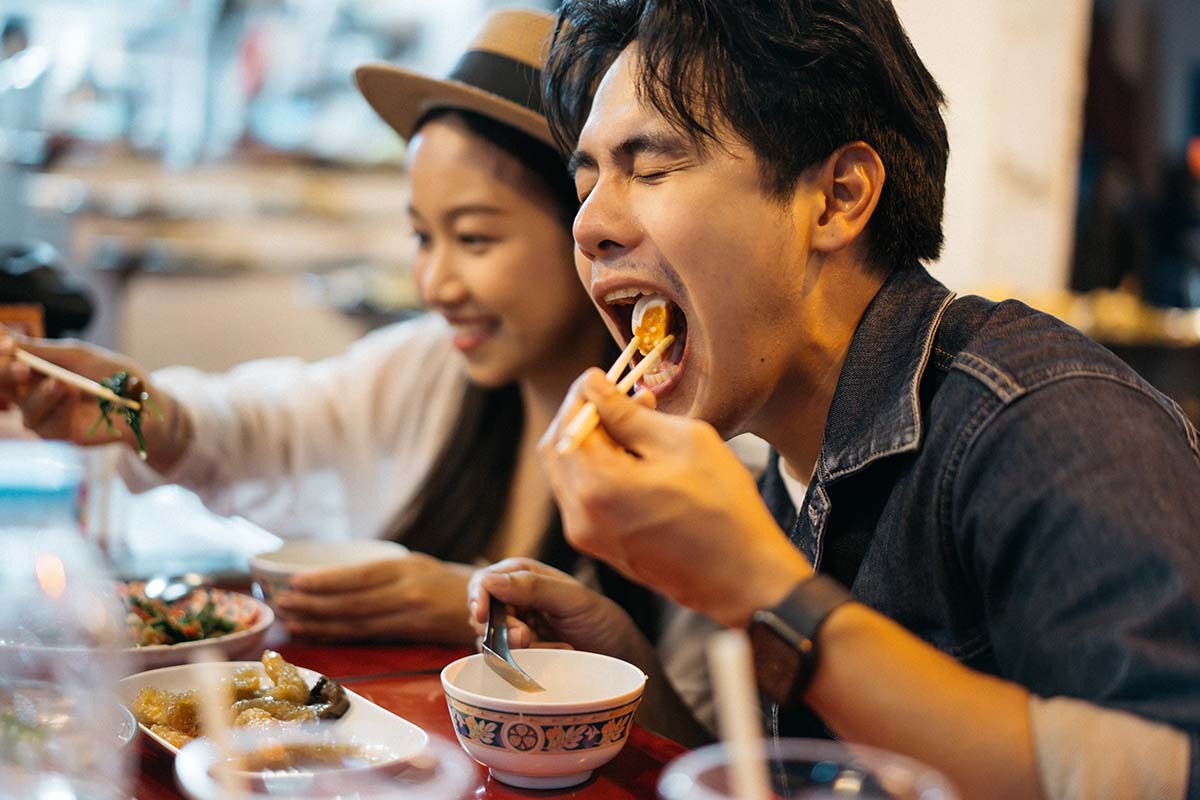
Thai cuisine isn’t just popular in Japan—it’s iconic. But 2026 isn’t about Pad Thai on repeat. Adventurous Japanese travelers are venturing beyond street food stalls in Bangkok, chasing regional flavors: Khao Soi in Chiang Rai, massaman curry in Hat Yai, fiery papaya salads in Trat, or fresh giant oysters shucked with an axe in Surat Thani.
Part of the appeal lies in the way Thai food mirrors Japanese culinary sensibilities. Both cuisines prize balance and harmony—sweet, salty, sour, and umami flavors come together in thoughtfully layered dishes. Thai food also celebrates freshness and seasonality, from fragrant herbs and crisp vegetables to just-caught seafood, which appeals to Japanese diners who value quality ingredients and careful preparation. Meanwhile, the intensity and variety of spices, the boldness of chili and curry pastes, and the playful interplay of textures—crunchy, creamy, chewy—add a sense of adventure that makes each meal a delight. Overall, this is culinary curiosity meeting precision palates: Japanese tourists love combining the familiar with the thrill of local ingredients.
PRO TIP
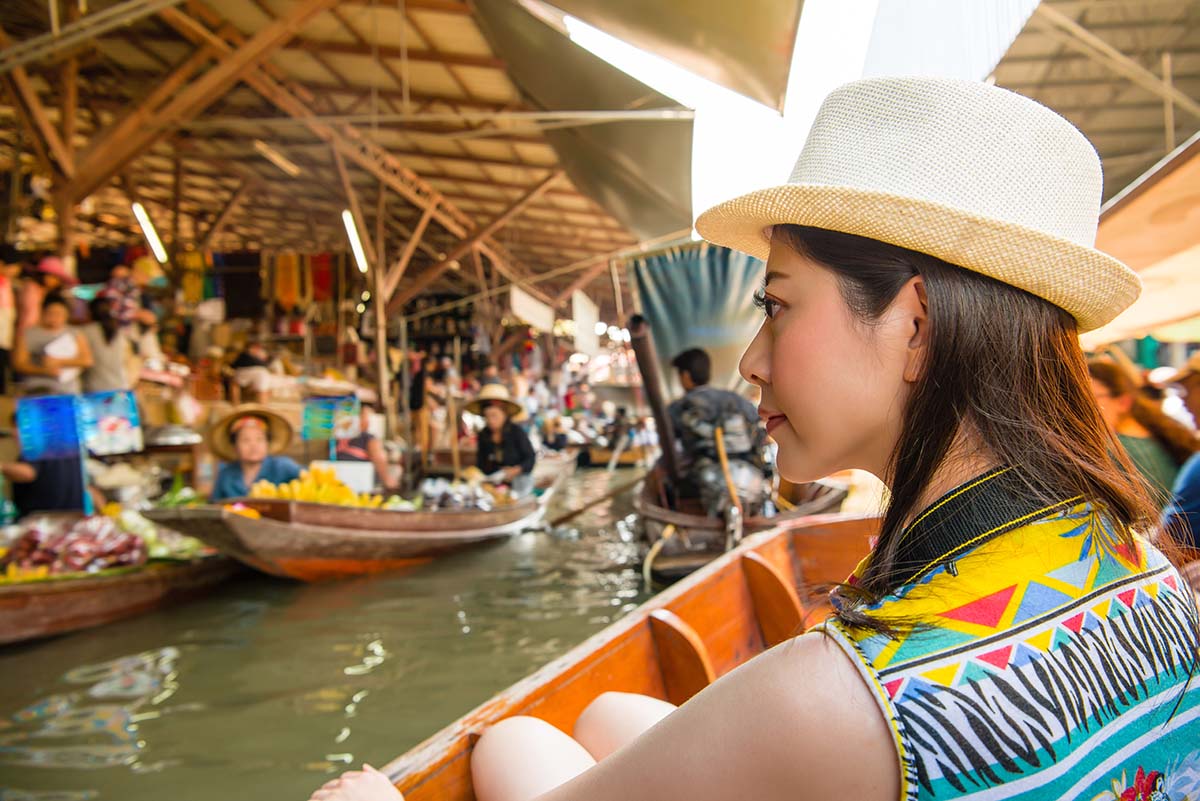
A weekday morning visit to Thailand’s famed floating markets isn’t just quieter—it’s when ingredients are freshest and vendors are most open to sharing lesser-known dishes, turning a simple stop into a true culinary discovery.
FUN FACT
The culinary confluence goes both ways—Thai flavors like curry, lemongrass, and chili have increasingly found their way into Japanese kitchens, inspiring fusion dishes and seasonal specials that reinterpret Thai classics for Tokyo diners.
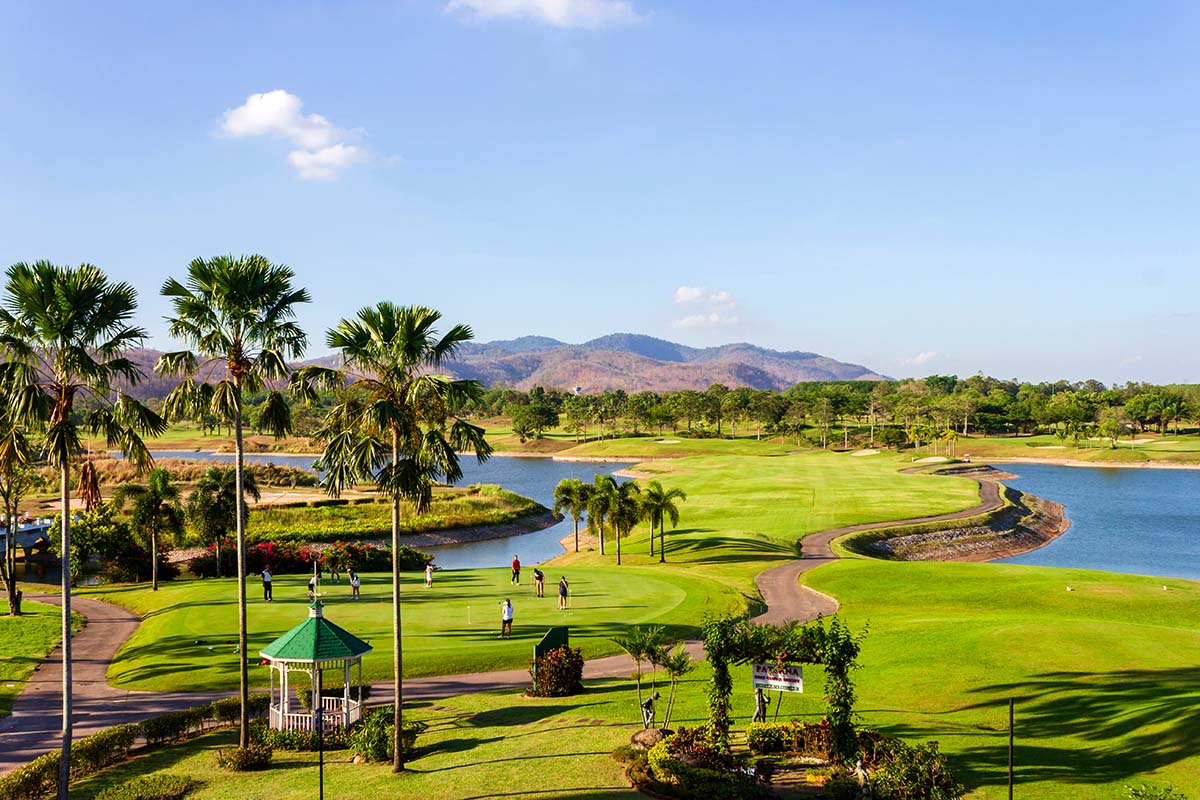
The barefoot luxury and golf agenda
Thailand boasts 1,430 islands, but Japanese travelers aren’t just stopping at the usual hotspots. While Bangkok, Chiang Mai, Phuket, and Koh Samui remain longstanding favorites among Japanese travelers, 2026 sees growing interest in emerging destinations. Hidden gems such as Chonburi, Koh Yao Noi, Krabi, Khao Lak, Udon Thani and Koh Lanta are gaining traction for their biodiverse diving, quiet beaches, and secluded, sustainably designed eco-wellness resorts (many of which offer engaging cultural workshops (such as Thai kite-making, fruit and flower arranging, and Muay Thai training). These destinations attract honeymooners, digital nomads, nature lovers, and thrill-seekers alike, offering a mix of adventure and relaxation.
Golf remains a quiet obsession, as well, among Japanese travelers. Multi-day packages combine play on world-class courses—many coastal or resort-adjacent—with stays at barefoot-luxury eco-resorts, wellness treatments like Thai massages and yoga sessions, and optional cultural excursions. In 2026, this combination reflects a broader Japanese trend of seeking curated experiences that balance activity, indulgence, and cultural engagement.
INSIDER TIP
Many resorts offer “early-bird green fees” for morning rounds, which are 20–40% cheaper than afternoon sessions. Book early to snag these deals, because these slots vanish like free-flowing coconut water on a hot day, especially during peak season from December to March.
High-end experiences minus the high-end prices
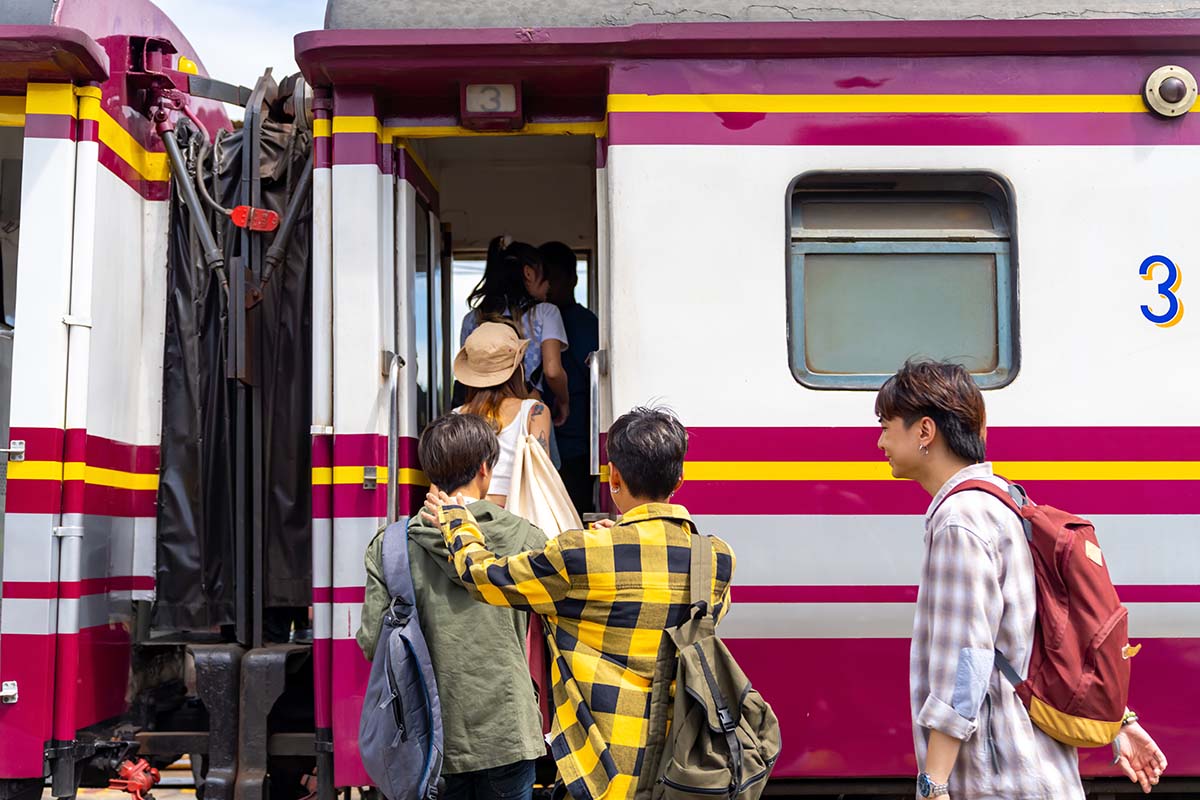
Bangkok continues to surprise Japanese visitors with its mix of luxury and accessibility. The city is home to several hotels ranked among the world’s top 50, yet room rates remain lower than equivalent options in Tokyo or Osaka, often by 20–40% for comparable five-star stays. Beyond accommodation, Bangkok’s culinary scene offers everything from Michelin-starred tasting menus—featured in the Michelin Guide Thailand selection—to local noodle stalls that feel like family-run secrets, with many Bib Gourmand spots priced under ¥1,000 per meal. The city’s extensive BTS Skytrain and MRT systems also make it easy to move between business districts, shopping hubs, and riverside attractions with minimal friction. Savvy Japanese travelers know how to navigate it all, combining business efficiency with leisure pleasures—think: morning meetings, afternoon spa, evening river cruise.
For business travelers, Bangkok doubles as a networking hub. Co-working spaces, cultural workshops, and luxury spas offer an ideal blend of work and leisure—a trend increasingly favored by Japanese executives looking to combine productivity with relaxation. Schedule meetings early, then reward yourself with a traditional Thai massage. Productivity meets indulgence, and it feels effortlessly luxurious. In the spirit of going with the flow, you may want to skip hotel packages and book your spa treatment through local apps—prices are often 30% lower, and boutique retreats hidden down quiet alleys often deliver more charm than hotel chain alternatives.
Shared values, safe vibes
Japan and Thailand share more than tourist traffic—they share cultural values that make cross-cultural exchange smoother. Respect, politeness, and attentiveness to social hierarchy resonate in both societies, creating a sense of safety and comfort for Japanese visitors. Historical ties, including strong diplomatic and royal family connections, further strengthen mutual admiration.
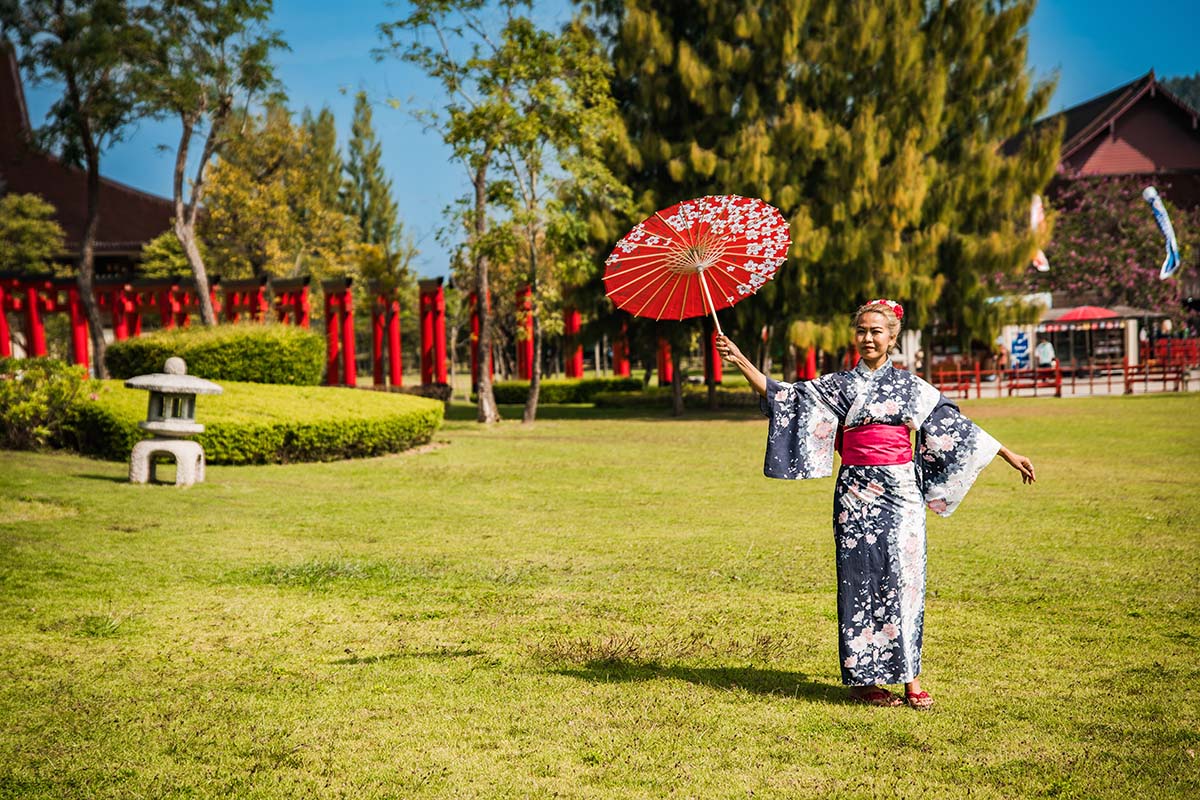
The commonalities in cultural DNA afford comfort and familiarity, while historical and diplomatic ties deepen the sense of trust. These parallels are reflected in everyday interactions—from service etiquette to social norms—where indirect communication, deference, and harmony are prioritized. It’s also mirrored in unique tourist experiences like Hinoki Land in Chiang Mai, a Japanese-themed park where familiarity and local charm intersect. For Japanese travelers, such touchpoints reduce friction and uncertainty, enabling them to explore Thailand with greater ease and confidence. At the same time, Thailand’s well-developed tourism infrastructure and reputation for hospitality reinforce a well-placed perception of reliability and psychological safety. Together, these factors position Thailand as a destination that feels exciting but safe, adventurous yet intuitive.
INSIDER TIP
Japanese yen is widely accepted at banks and licensed money changers across Thailand, making it easy to exchange upon arrival. While credit cards and cashless payments are increasingly common in cities, it’s still wise to carry Thai baht—especially for local markets, street food vendors, and smaller establishments, ensuring smooth and seamless transactions wherever your explorations take you.
The next frontier of Japanese tourism
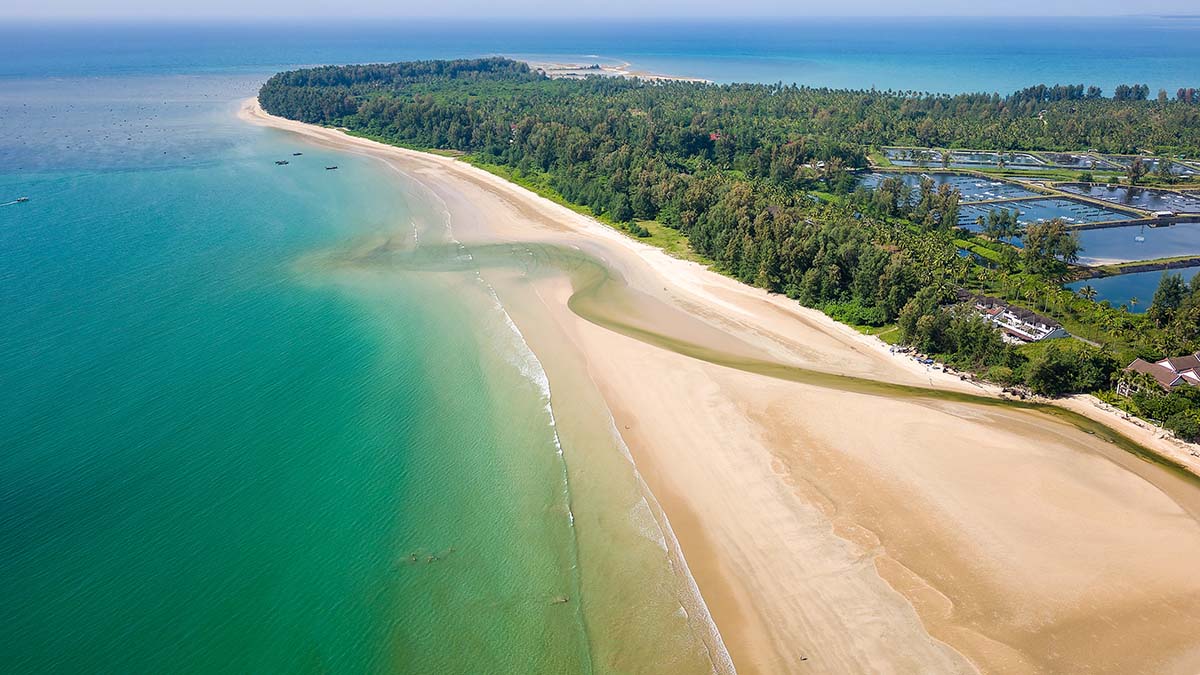
A growing trend among Japanese visitors is multi-region itineraries that balance variety with efficiency. Improved domestic connectivity—through short-haul flights, rail links, and well-developed road networks—makes it feasible to experience multiple facets of Thailand within a single trip. Travelers often combine northern destinations known for temples, mountains, and cooler climates with southern coastal areas that offer island landscapes and marine activities, before concluding in Bangkok for its concentration of dining, shopping, business, and cultural landmarks. This approach reflects a preference for structured yet diverse travel, maximizing both relaxation and cultural immersion without significantly increasing travel complexity.
In 2026, the Japan-Thailand tourism story is less about numbers and more about deep cultural appreciation—memorable travel experiences that respect both tradition and modernity. Whether it’s savoring a bowl of Khao Soi at the break of day, teeing off on a pristine golf course brushed by gentle tropical breezes, or simply embracing the unhurried “sabai sabai” pace of life, Japanese travelers and Thai hosts continue to write a story of connection, exploration, and mutual inspiration.
Sometimes, the perfect partnership isn’t in business deals—it’s in travel, culture, and shared adventure.