

As global manufacturers look to diversify supply chains and expand across Southeast Asia, the Philippines is emerging as an increasingly attractive destination. Through its industry-anchored developments, the Aboitiz Group is positioning the country as a strategic hub for Japanese investment while supporting the growth of modern manufacturing ecosystems.
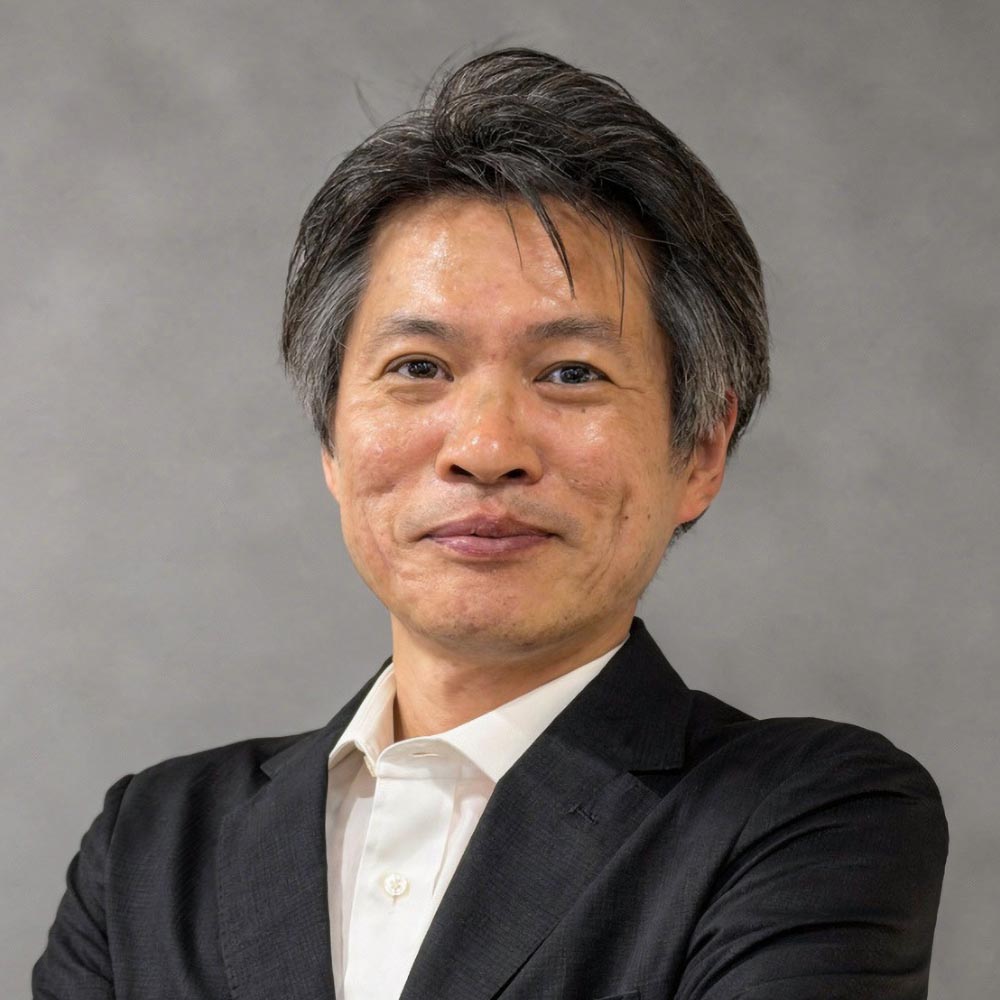
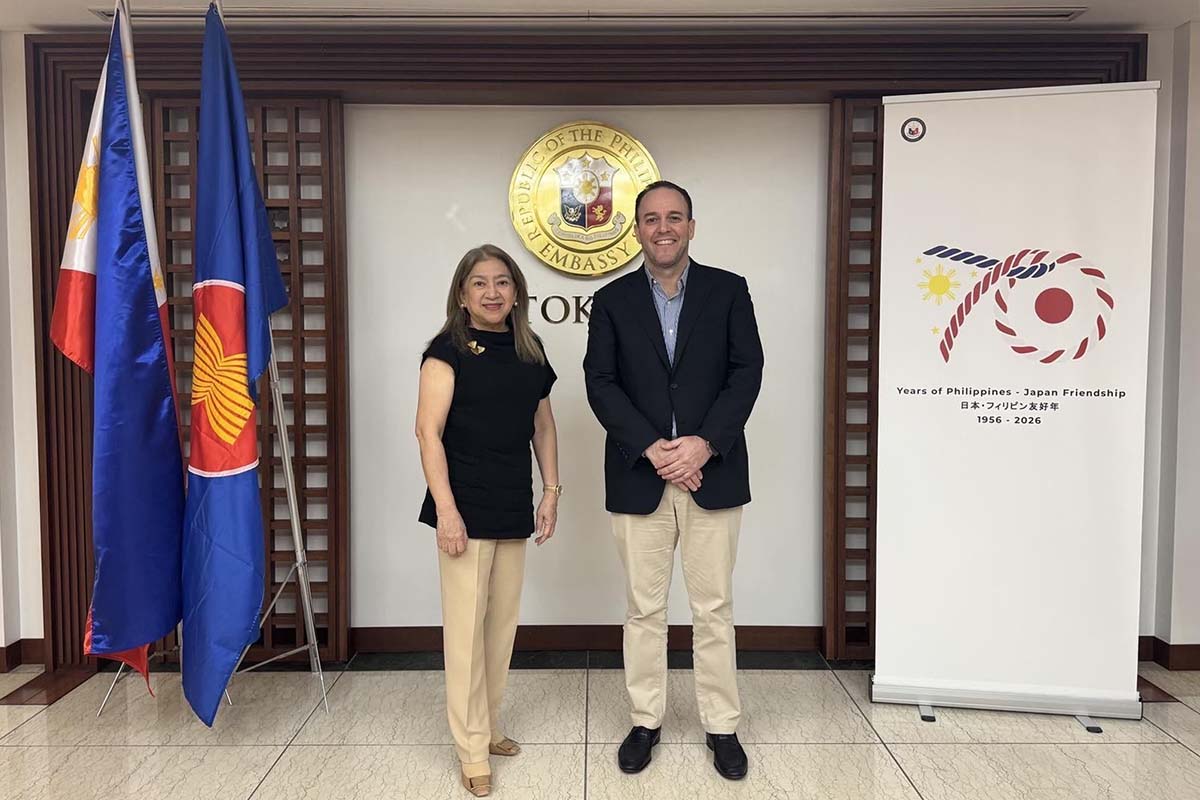
A key element of this strategy is the establishment of Aboitiz Economic Estates’ Tokyo office, led by Senior Adviser for Global Market Strategy and Development Kazuaki Shirozono. The office serves as a direct bridge between Japanese corporations and the Philippines’ expanding industrial landscape.
Shirozono brings more than 25 years of international experience in real estate and infrastructure development across Japan, Southeast Asia and South Asia. His career spans major urban and industrial projects, including infrastructure in Singapore’s Marina South, Japan’s industrial park and Condominium Projects in Tokyo capital region. He has also held strategic roles in industrial estate developments such as the Lima Technology Center in the Philippines and Myanmar’s Thilawa Special Economic Zone.
In his current role, Shirozono helps guide the Aboitiz Group’s international expansion initiatives while strengthening partnerships with global investors, particularly from Japan.
“About 40% of our locators are Japanese companies,” Shirozono said. “We wanted to strengthen our partnerships with Japanese companies even further and invite more investors from Japan.”
The Tokyo office allows Aboitiz Economic Estates to maintain closer communication with Japanese headquarters and decision-makers while identifying new investment opportunities in the Philippines. For companies evaluating overseas expansion, having a dedicated presence in Japan provides a more direct and responsive engagement channel.
“Physical distance matters,” Shirozono explained. “Being based in Tokyo allows us to respond quickly to requests from headquarters and coordinate closely with our teams in Manila. This improves the quality of service we can provide.”
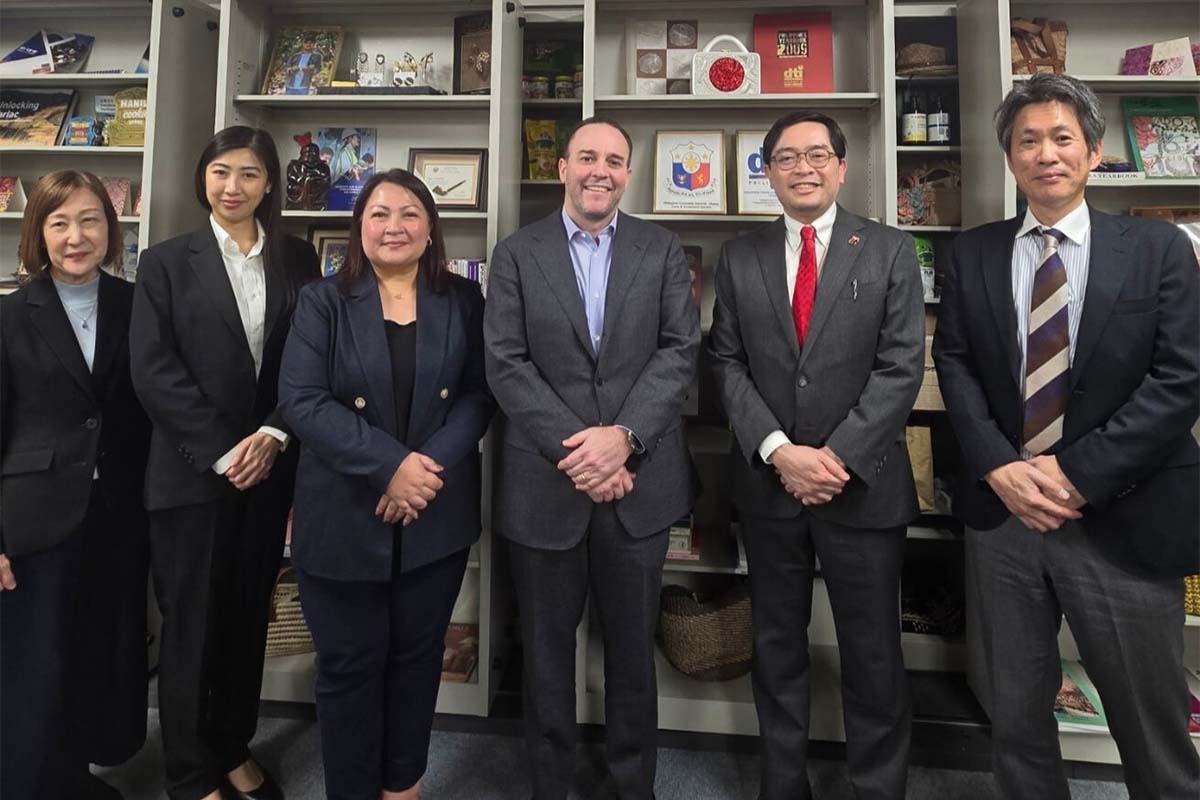
Aboitiz Economic Estates has developed a reputation for building integrated industrial ecosystems that combine manufacturing zones with residential, commercial and lifestyle components. Rather than simply providing land for factories, the company’s developments are designed as complete communities that support both business operations and the people behind them.
One of the most prominent examples is LIMA Estate in Batangas. Originally developed as a 250-hectare industrial park, the estate has grown into a 1,100-hectare integrated economic zone that supports approximately 75,000 workers and hosts leading global manufacturers, including EPSON Precision Philippines, Yamaha Motor Philippines, and Bandai Namco.
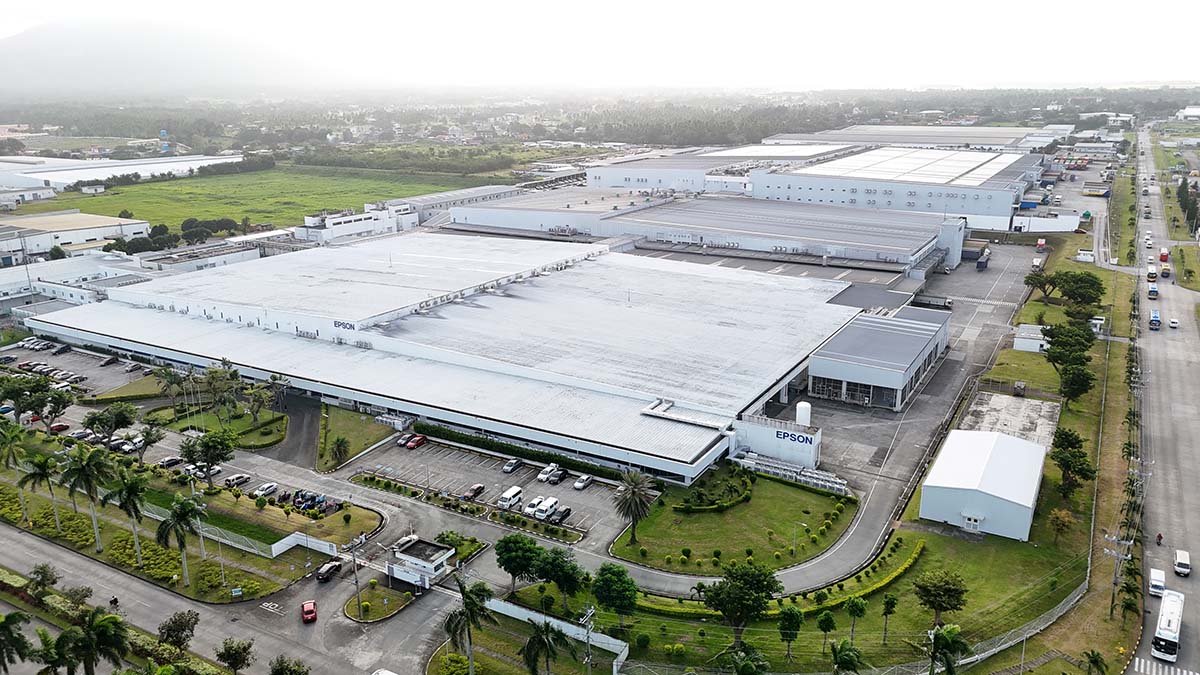
Within the estate, residential communities, commercial districts and institutional facilities complement industrial operations, creating an environment where employees can live, work and access essential services within the same area.
“As industries grow, naturally other functions follow — residential, commercial and institutional spaces,” Shirozono said. “Our goal is to provide complete functions within one economic estate.”
“As industries grow, naturally other functions follow — residential, commercial and institutional spaces. Our goal is to provide complete functions within one economic estate.”
Kazuaki Shirozono, Senior Adviser for Global Market Strategy and Development, Aboitiz Economic Estates’ Tokyo office
This integrated approach has become a defining feature of Aboitiz Economic Estates’ developments, supporting both operational efficiency for manufacturers and improved quality of life for workers.
Building on the success of LIMA Estate, the company is now developing TARI Estate in Tarlac, strategically positioned in Central Luzon. Located near major transport corridors and ports of entry, the estate benefits from proximity to Clark International Airport and Subic Bay, providing efficient logistics connectivity for manufacturers serving both domestic and export markets.
TARI Estate also sits at the center of Luzon — the Philippines’ largest consumer market — giving companies a strategic base for distribution across the region.
Even in its early stages of development, the estate has already attracted major global locators, including Coca-Cola Europacific Aboitiz Philippines and Ajinomoto Philippines Corporation, demonstrating strong investor confidence in the project.
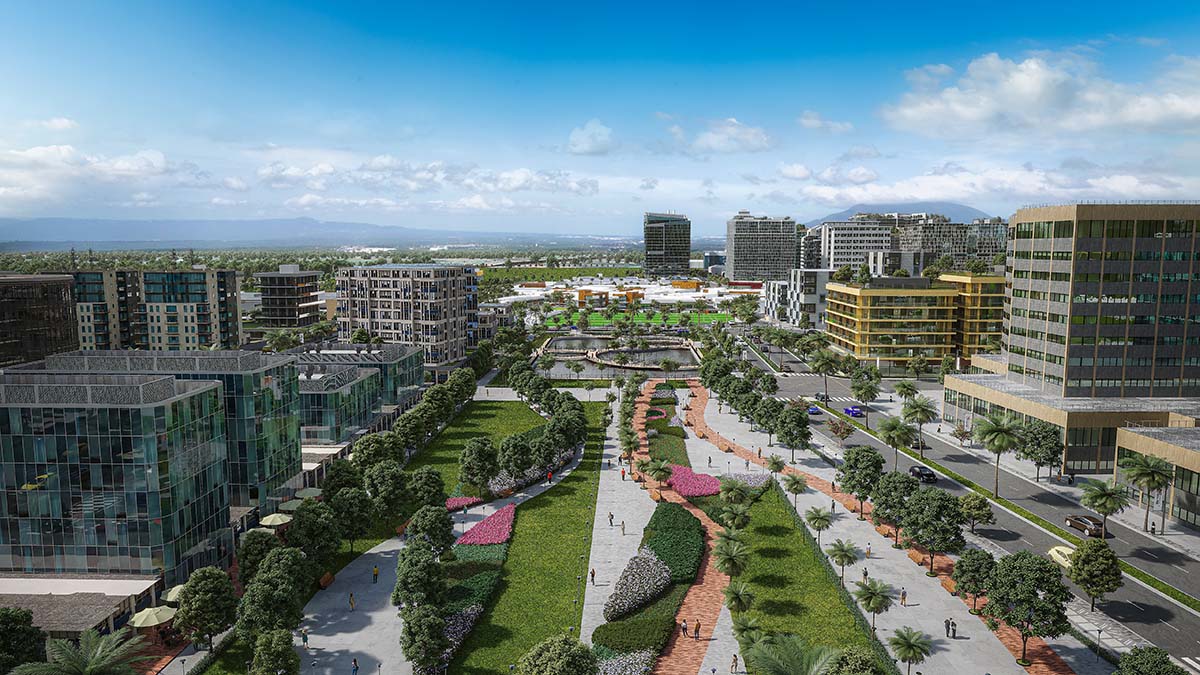
Beyond infrastructure, Aboitiz Economic Estates emphasizes sustainability and operational reliability as core components of its industrial ecosystem. The estates integrate digital systems, stable utilities and environmentally responsible practices that support manufacturers’ long-term operational needs.
Such features are increasingly important for global manufacturers, including Japanese companies that prioritize efficiency, sustainability and long-term operational stability.
Shirozono believes the Philippines still offers significant untapped potential for Japanese manufacturers compared with more mature industrial destinations in Southeast Asia.
“Countries like Thailand and Vietnam have already become major manufacturing bases,” he said. “But the Philippines still has room to grow. There is abundant space for Japanese companies, supported by a young workforce, a thriving ecosystem and a growing consumption-driven domestic market.”
The economic impact of Aboitiz Economic Estates reflects the scale of these opportunities. Across its developments, the company has generated more than 100,000 jobs, facilitated over $54 billion in exports and attracted approximately $2.8 billion in foreign direct investment.
For the Aboitiz Group, the goal is not simply to develop industrial parks but to build long-term ecosystems where industry, infrastructure and communities evolve together.
Through its strengthened presence in Japan and its integrated estate model, Aboitiz Economic Estates aims to deepen economic ties between the Philippines and Japan while contributing to the country’s broader industrial transformation.
As both countries continue to strengthen economic cooperation, developments such as LIMA Estate and TARI Estate illustrate how strategic infrastructure and investment partnerships can help shape the next phase of industrial growth in the Philippines.