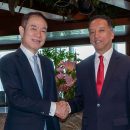

As the Philippines marks the 2026 Philippines–Japan Friendship Year under the theme “Weaving the Future Together: Peace, Prosperity, Possibilities,” the country’s growth story remains anchored on a familiar, yet powerful force: the Filipino consumer.
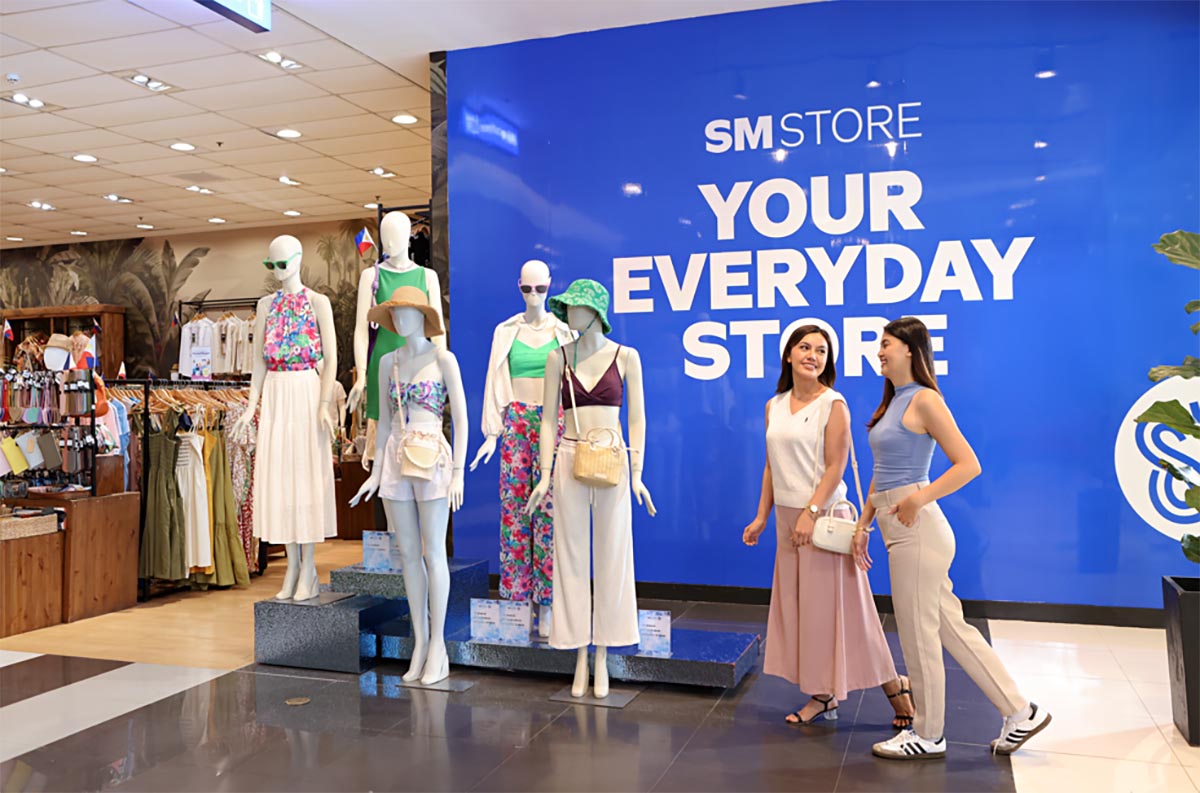
Household spending continues to account for roughly 60% to 70% of the economy, sustaining momentum even amid global uncertainty. But beyond the numbers, it reflects something more enduring: a broadening base of consumers, rising aspirations, and expanding access to goods, services, and opportunities across the country.
For SM Investments Corporation (SM Investments), the parent company of the SM Group, this dynamic has long shaped its approach to growth.
“We operate our businesses with a combination of operating discipline and financial prudence,” said Frederic C. DyBuncio, President and CEO of SM Investments.
“This allows us to grow with the Filipino consumer, serving everyday needs while remaining prepared to navigate uncertainties and capture opportunities.”
SM’s portfolio reflects this philosophy. Its core businesses: retail, banking, and property are directly linked to consumption, forming the backbone of its operations. At the same time, the group has steadily expanded into areas such as logistics and renewable energy, positioning itself to support a more complex and evolving economy.
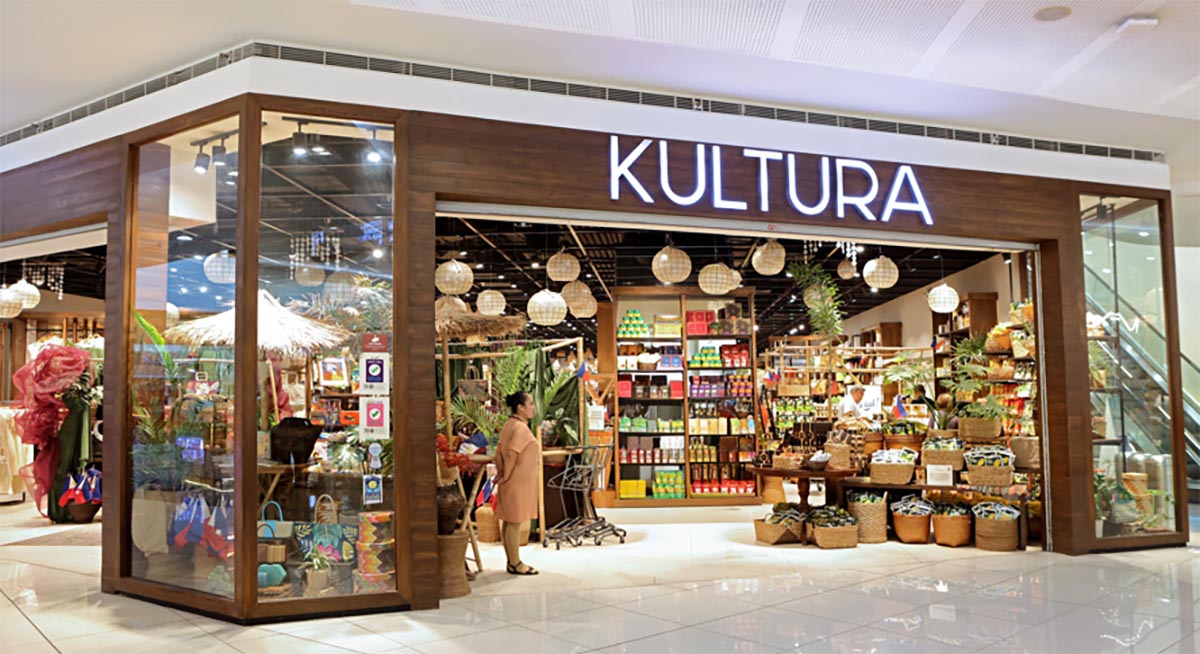
In recent years, much of the country’s growth has shifted beyond Metro Manila. Provincial and underserved markets are seeing increased economic activity, driven by improving infrastructure, rising incomes, and a more connected domestic economy. These regions, once considered peripheral, are now central to the next phase of growth.
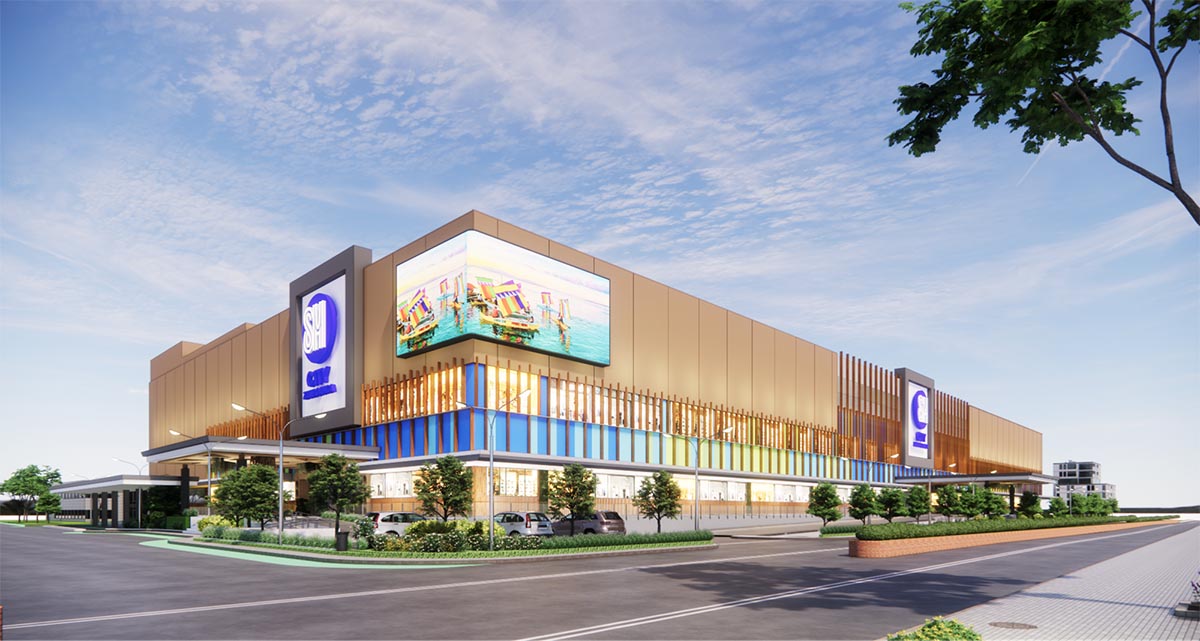
SM has followed this shift closely. Through new malls, expanded retail networks, and broader financial services, the group has deepened its presence outside traditional urban centers. The strategy is straightforward: bring access closer to where demand is emerging.
“We operate our businesses with a combination of operating discipline and financial prudence.”
Frederic C. DyBuncio, President and Chief Executive Officer of SM Investments
Yet what distinguishes SM is not only its scale, but how its businesses are designed to work together. Its malls have evolved into more than commercial spaces; they are community hubs that anchor economic activity. Retail platforms connect consumers to both global and local brands, while financial services expand access to credit and savings. Together, these form an ecosystem that supports both consumption and enterprise.
This integration is particularly significant for micro, small, and medium enterprises. By providing access to customers, capital, and distribution networks, SM has enabled more than 100,000 MSMEs to participate more fully in the formal economy, turning local entrepreneurship into a driver of broader growth.
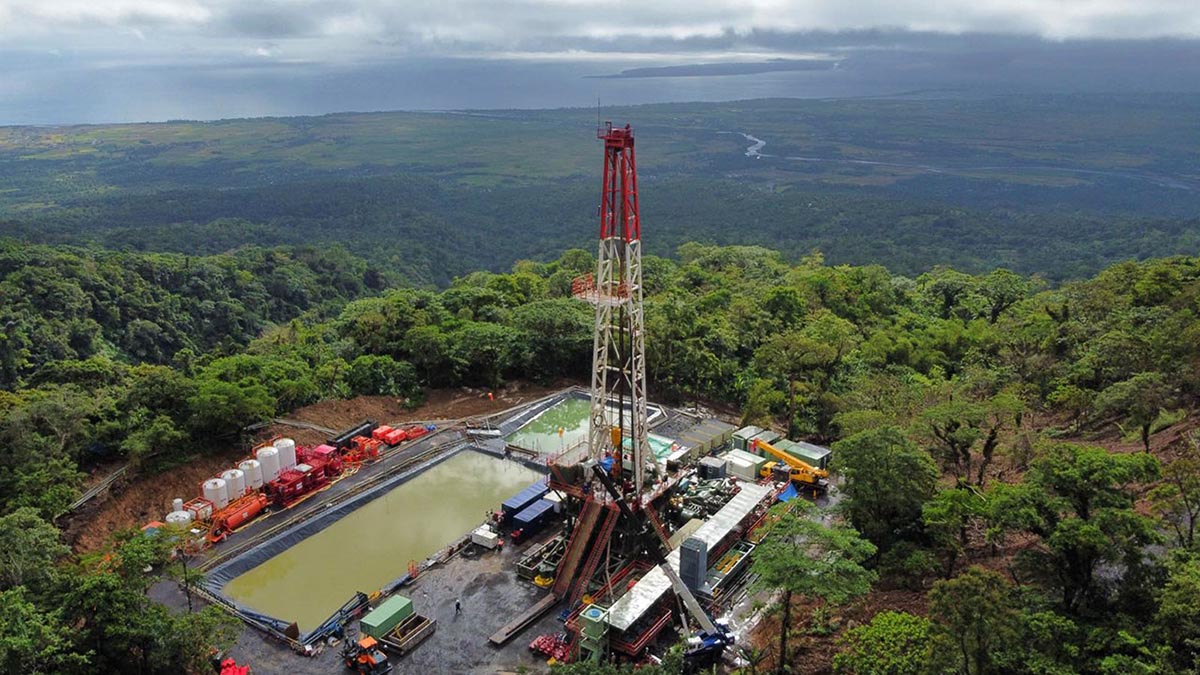
At the same time, the group’s expansion has been underpinned by a focus on stability. Its core businesses generate recurring income, providing a steady foundation amid a more volatile global environment. This allows SM to continue investing even as external conditions shift—whether in response to supply chain disruptions, inflationary pressures, or geopolitical risks.
Those investments are increasingly directed toward future-facing sectors. Logistics, for instance, has become critical in a geographically dispersed country, where the efficient movement of goods can shape both cost and access. Meanwhile, renewable energy investments reflect a growing recognition of the need for more sustainable and resilient power sources, aligned with both national priorities and global trends.
Underlying all of this is a commitment to governance. SM maintains one of the highest governance ratings in ASEAN, supported by a majority-independent board and a focus on transparency and accountability, factors that are becoming increasingly important to global investors.
As economic ties between the Philippines and Japan deepen, the shared emphasis on long-term value, resilience, and inclusive development becomes more apparent.
In this context, SM’s model offers a useful lens into how growth is unfolding in the Philippines, not as a singular story of expansion, but as a more interconnected process. One where consumption, infrastructure, inclusion, and sustainability reinforce each other.
Ultimately, the strength of the Filipino consumer is not just a driver of growth. It is a reflection of a broader transformation, one that is gradually extending opportunity across regions and sectors. For companies like SM, the challenge and the opportunity is to grow alongside that transformation, ensuring that progress is not only sustained, but shared.