
An hour or so north of Manila, the landscape begins to loosen.
The density gives way first. Then the roads widen, stretch out, and stay that way. Traffic thins. Cyclists move along dedicated lanes, steady and unbothered. In the early morning, runners pass through tree-lined paths before the heat settles in. Shuttle buses arrive without urgency. By late afternoon, families gather in open parks, lingering.

Clark does not feel like a city catching up. It feels like a city being planned ahead.
Spanning the Clark Freeport Zone in Pampanga and New Clark City in neighboring Tarlac, the area forms one of the country’s fastest-growing development corridors.
Once a former U.S. military base, it has steadily evolved into one of the Philippines’ most important economic hubs under the stewardship of the Bases Conversion and Development Authority (BCDA). Over the past two decades, Clark has drawn in manufacturers, logistics firms, technology companies and international investors.
But the ambition, according to BCDA President and CEO Engr. Joshua M. Bingcang, is not limited to growth.
“What we want to build in Clark is a complete community,” he said. “Not just a place for work, but a place where people can live, move around easily and enjoy their everyday life.”
From economic hub to livable city
Clark’s next phase carries lessons from earlier urban developments.
Bingcang previously worked on Bonifacio Global City, one of Metro Manila’s most successful business districts. BGC showed what modern urban planning could look like in the Philippines. Clark offers something else — space, and the ability to get it right from the beginning.
Mobility is one of the clearest differences.
In Clark Freeport and New Clark City, bicycle and pedestrian lanes run alongside major roads, uninterrupted. Cyclists are not pushed to the margins. Shuttle services bring in workers from surrounding towns, easing the daily flow of traffic.
“These are small details, but they matter,” Bingcang said. “They make daily life easier and reduce congestion and pollution.”
Even the airport reflects this thinking.
Clark International Airport, which Bingcang helped oversee, was designed with both efficiency and experience in mind. It has been recognized as one of the world’s most beautiful airports by the Prix Versailles, and remains the only airport in the Philippines with EDGE (Excellence in Design for Greater Efficiencies) certification — a global standard for resource-efficient buildings.
Beyond design, its performance has also gained international recognition. The airport has ranked among the world’s best in terms of arrival experience, reflecting its focus on passenger flow, comfort and operational efficiency.
It is infrastructure that does not only move people, but shapes how they experience a place.
Infrastructure shaping the region
Clark does not stand alone. Its growth is tied to the systems around it.
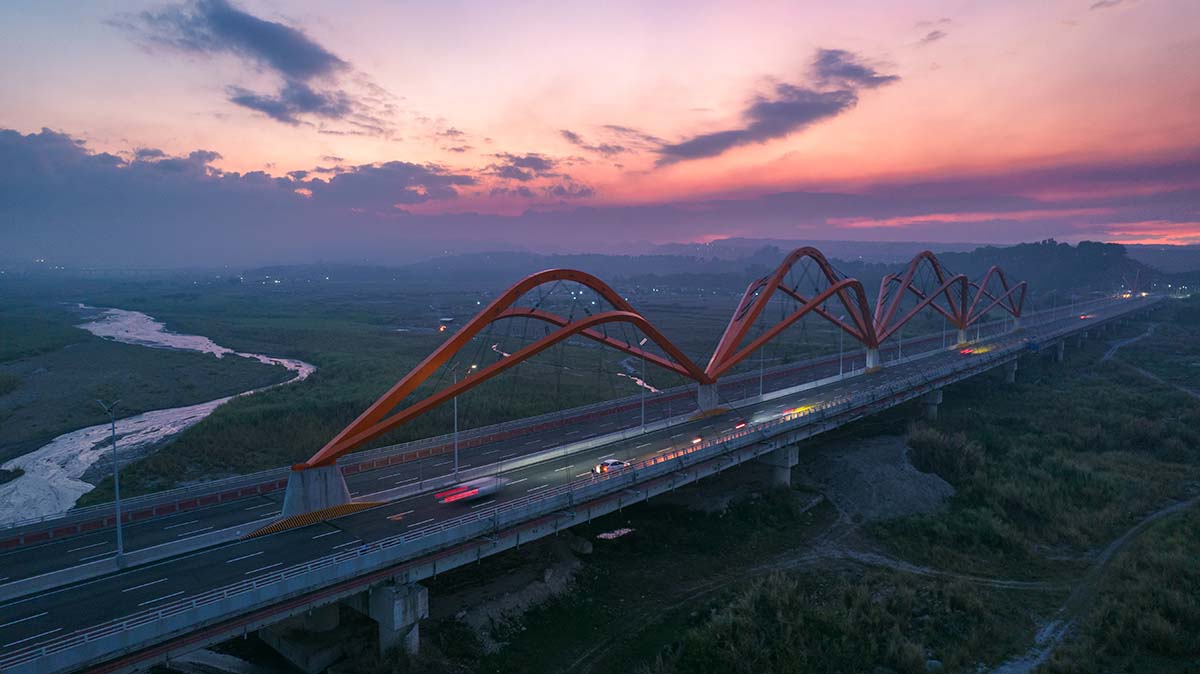
Subic-Clark-Tarlac Expressway, another project of BCDA, forms a quiet but critical spine, moving goods from seaports to industrial zones to the airport. Planned expansions, including improvements to the Luisita Interchange and a new interchange in Hermosa, Bataan, are expected to ease congestion, shorten travel time and open up new areas for development.
A railway is also on its way.
The North-South Commuter Railway will eventually connect Manila directly to Clark International Airport. When completed, it will change how people move — reducing reliance on road transport and shifting the rhythm of daily commutes.
At the same time, a different kind of infrastructure is taking shape.
“What we want to build in Clark is a complete community. Not just a place for work, but a place where people can live, move around easily and enjoy their everyday life.”
Engr. Joshua M. Bingcang, BCDA President and Chief Executive Officer
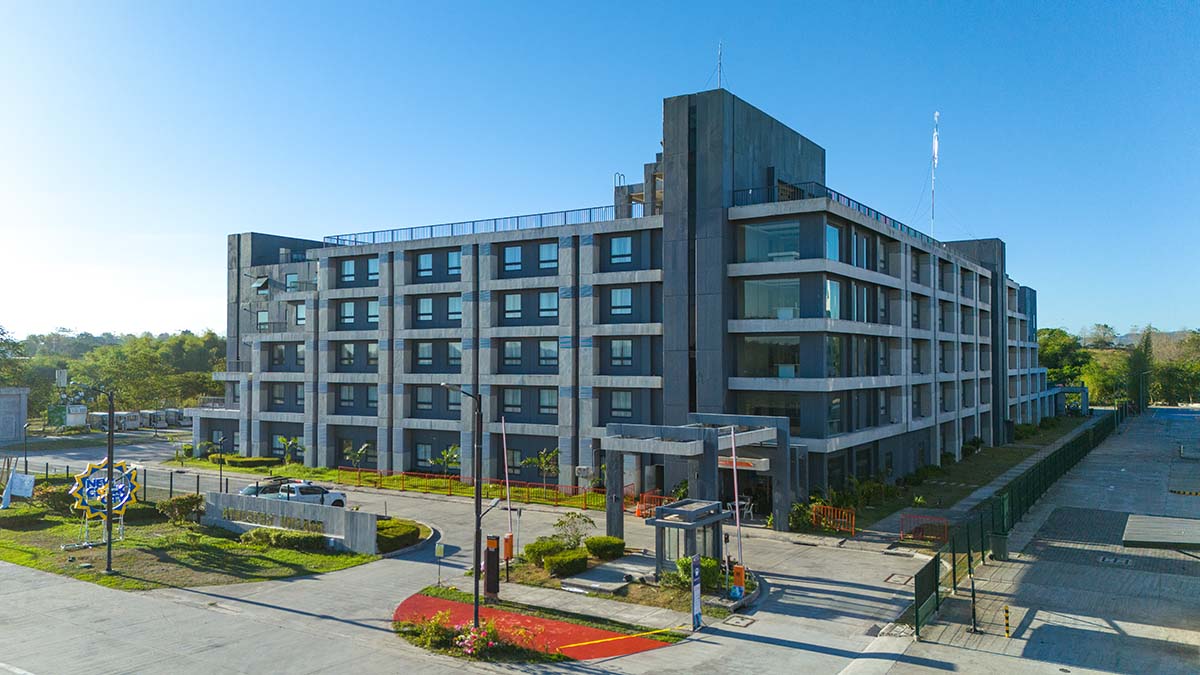
Data centers are beginning to cluster in the area, supported by available land, improving connectivity and stable power supply. Among them is the National Government Data Center in New Clark City, being planned by the Department of Information and Communications Technology as a secure and resilient hub for government systems.
Also in New Clark City, the Narra Technology Park is being positioned as a dedicated zone for digital infrastructure, designed to host data centers and technology locators that require large-scale, future-ready facilities. Together, these developments signal New Clark City’s early shift toward becoming a concentrated hub for digital and data-driven industries.
Clark is also strengthening its role in logistics.
Global firms such as FedEx and UPS continue to expand operations, drawn by the airport’s growing capacity and the area’s connectivity to the rest of Luzon.
Building the fundamentals for the AI economy
Behind the vision of Clark as a future hub for artificial intelligence is a quieter layer of planning.
For data centers and AI infrastructure, the requirements are clear: reliable power, stable water supply, high-speed connectivity and room to scale.
Clark is being built around those needs.
On energy, BCDA has partnered with Sindicatum C-Solar Power Inc. (SCSPI), a subsidiary of Singapore-based renewable energy developer Gurīn Energy, to develop a 1,500-hectare solar power project, designed to supply renewable electricity to industries located within Clark and New Clark City. For global technology firms, many of which operate under strict sustainability targets, access to clean energy has become a basic requirement.
Water security is also being addressed.
BGC showed what modern urban planning could look like in the Philippines. Clark offers something else — space, and the ability to get it right from the beginning.
A proposed water supply and wastewater management system by South Korea’s K-Water, in partnership with Maynilad, aims to support the city’s long-term growth. The system will harvest surface water from nearby rivers and store excess supply underground, allowing natural aquifers to recover while ensuring a stable water source for both residents and industries.
Waste is treated as part of the system, not an afterthought.
A $100-million waste-to-energy facility in New Clark City is designed to process up to 600 tons of waste per day and generate around 12 megawatts of electricity, which is enough to power 10,000 households. The project reduces landfill dependence while contributing to the area’s clean energy supply.
These systems are not always visible, but they are what allow the city to function at scale.
For BCDA, the goal is simple: when investment arrives, the infrastructure is already in place to support it.
“Our projects create ripple effects beyond Clark,” Bingcang said. “When investments come in, they generate jobs and opportunities for surrounding communities.”

Creating spaces for everyday life
Cities are not defined only by infrastructure.
Urban planners often refer to “third places” — spaces outside of home and work where people can gather without purpose.
In many Philippine cities, those spaces are often limited to malls. Clark is trying to shape something different.
Parks, open spaces and sports facilities are part of the plan, not an afterthought. They are designed into the city, not added later.
Sometimes, they fill up all at once.

Earlier this year, New Clark City hosted the 26th Philippine International Hot Air Balloon Fiesta. For several days, the open grounds were covered in color and motion. Around 35,000 people gathered — families, enthusiasts, visitors from across the country and beyond — watching balloons rise into the morning sky.
For BCDA, events like this are not separate from development. They are part of it.
“We want Clark to be a place where people come not just to work, but also to spend time with their families,” Bingcang said.
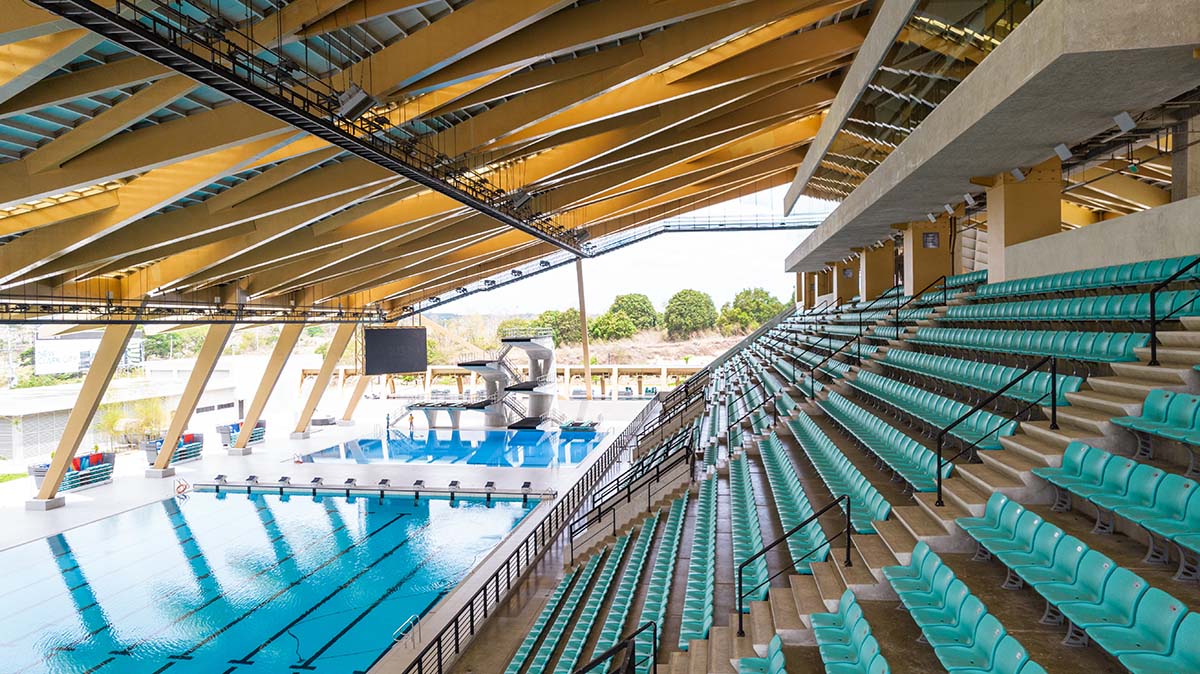
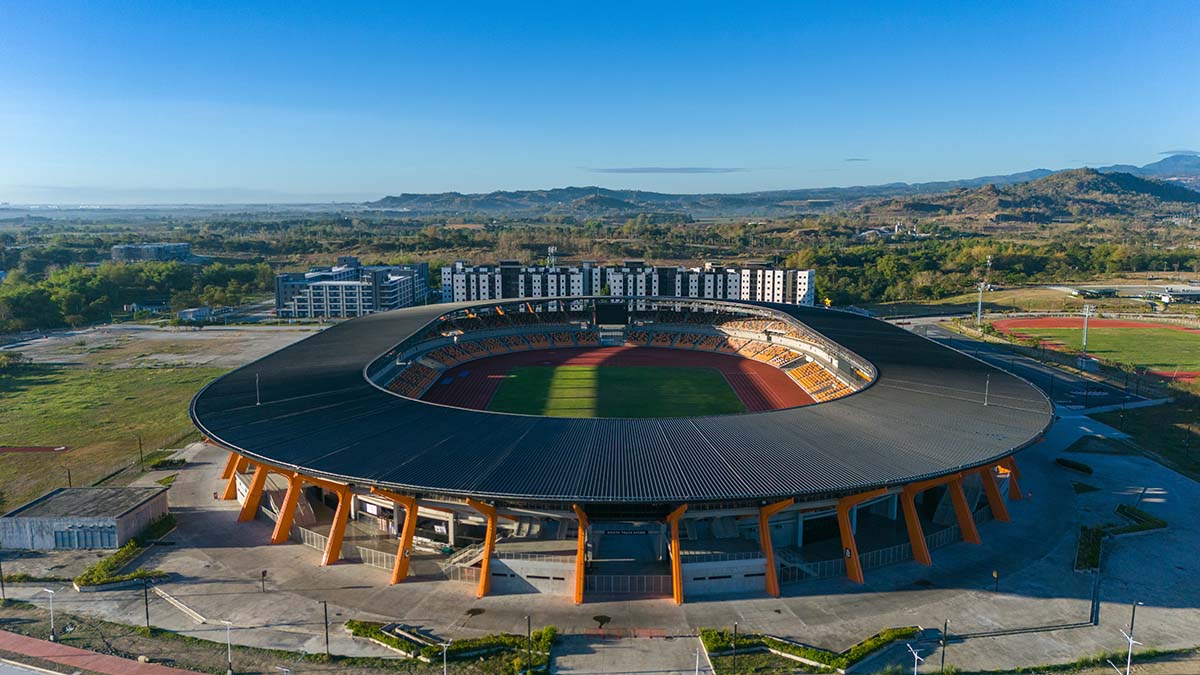
The Philippine government, led by the Department of Tourism, is also positioning New Clark City as a sports tourism destination, anchored by facilities such as the Athletics Stadium, Aquatics Center, and the Athletes’ Village.
A city where people can live
Growth brings pressure.
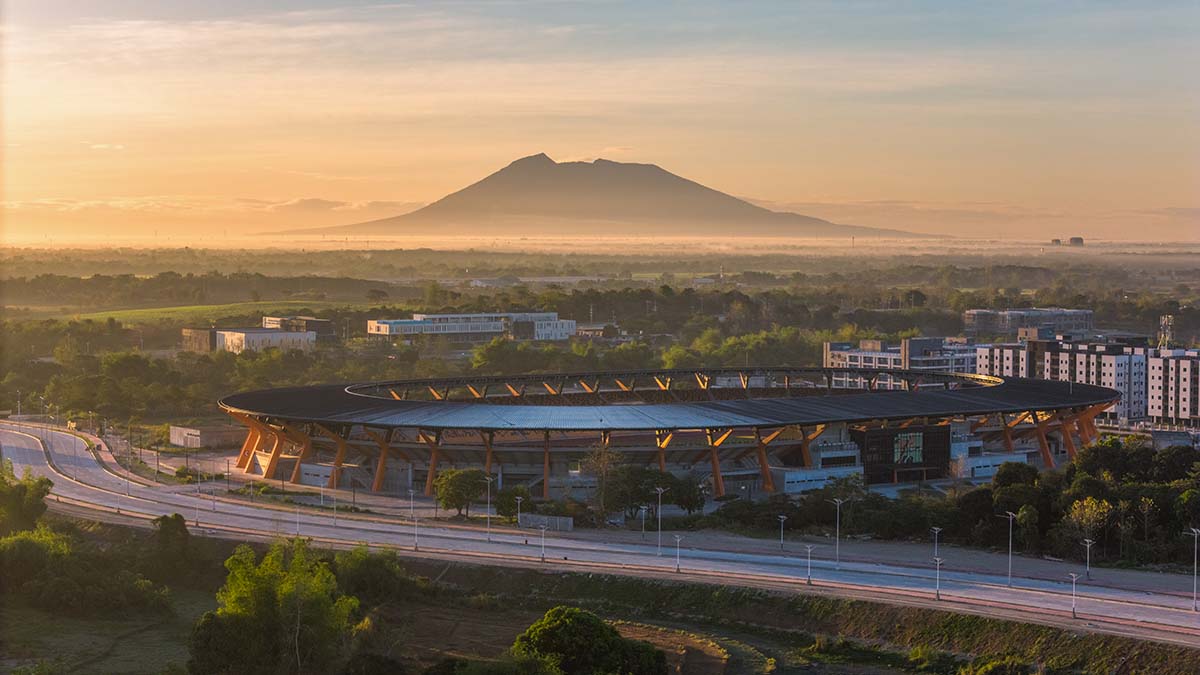
More than 150,000 people now work in the Clark area, but many still live in surrounding towns and commute daily.
Housing is the next layer.
BCDA is planning residential developments within and around New Clark City, with projects ranging from affordable housing for workers to larger residential communities.
The goal is simple: bring people closer to where they work.
“For many Filipinos, owning a home is one of the biggest achievements in life,” Bingcang said. “If workers can live near their jobs, they save time, reduce travel and enjoy a better quality of life.”
Looking ahead
The whole of Clark is still in transition.
Infrastructure continues to rise. Investments are being negotiated. Communities are beginning to take shape.
At the same time, a new layer is emerging — positioning New Clark City as a hub for artificial intelligence and digital infrastructure, supported by renewable energy, connectivity and space to grow.
For Bingcang, the long view matters more than any single project.
“The Philippines continues to be a safe place for investment,” he said. “What we are building in Clark is not just infrastructure, but communities that can support the country’s growth for many years to come.”
In a region where cities often grow faster than they are planned, Clark is moving at a different pace.
It is building first.
And then, carefully, growing into it.