
More than 500 labels, masterclasses, and a weekend of Japanese drink culture—Sake Matsuri shows how Japan’s traditional drink is finding new fans in the Lion City.
Inside Singapore’s F1 Pit Building, rows of small tasting glasses line the tables like lab samples. Each holds a different style of sake — some crystal clear, others cloudy and aromatic—as visitors swirl, sniff, and compare notes.
When people think about cultural bridges between Japan and Singapore, sushi and anime often come to mind first. But another export has quietly gained ground across the Lion City: sake. Once considered a niche drink outside Japanese restaurants, this traditional rice brew is increasingly part of global dining and nightlife culture — including Singapore’s.
Nowhere is that more visible than at Sake Matsuri Singapore, Southeast Asia’s largest sake festival. The event draws everyone from curious drinkers to restaurant buyers and importers eager to explore the diversity of Japan’s national drink.
The timing is especially fitting. In 2026, Japan and Singapore mark 60 years of diplomatic relations —widely celebrated as SJ60, with the theme “Co-imagine, Co-create, Co-evolve“— highlighting decades of cultural and economic exchange between the two countries.
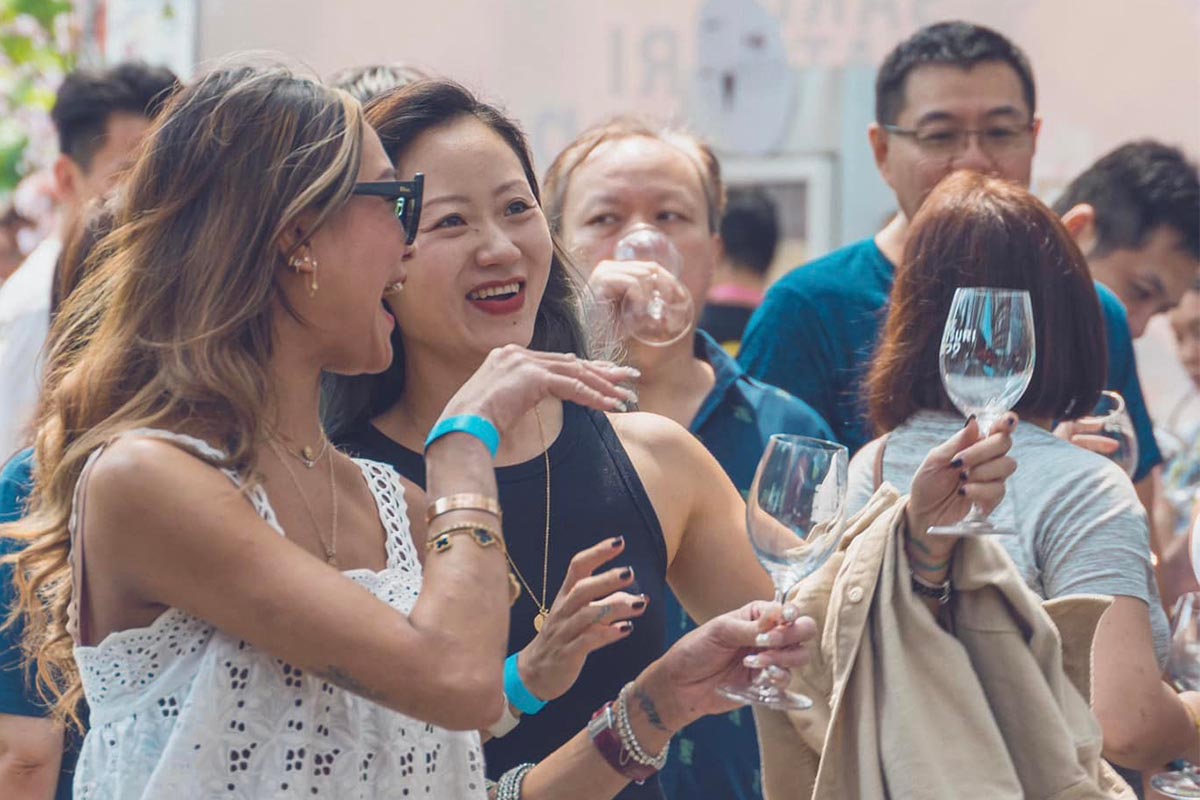
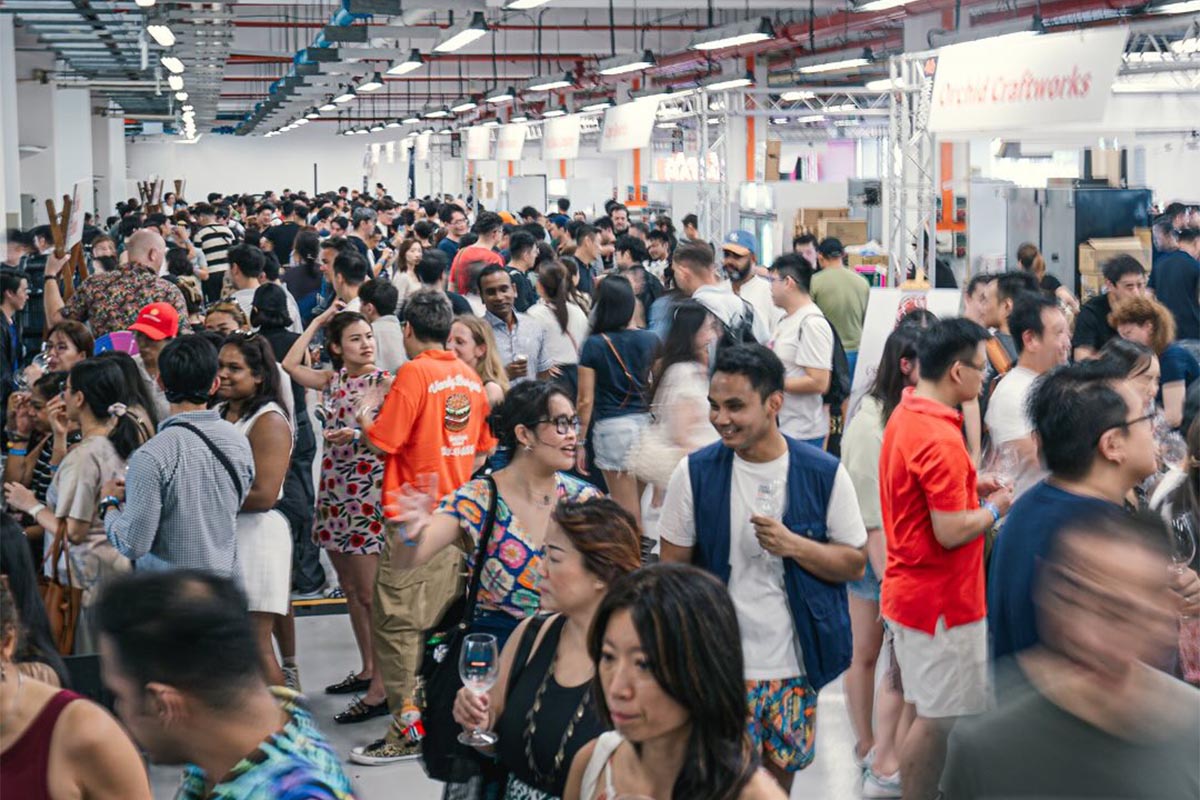
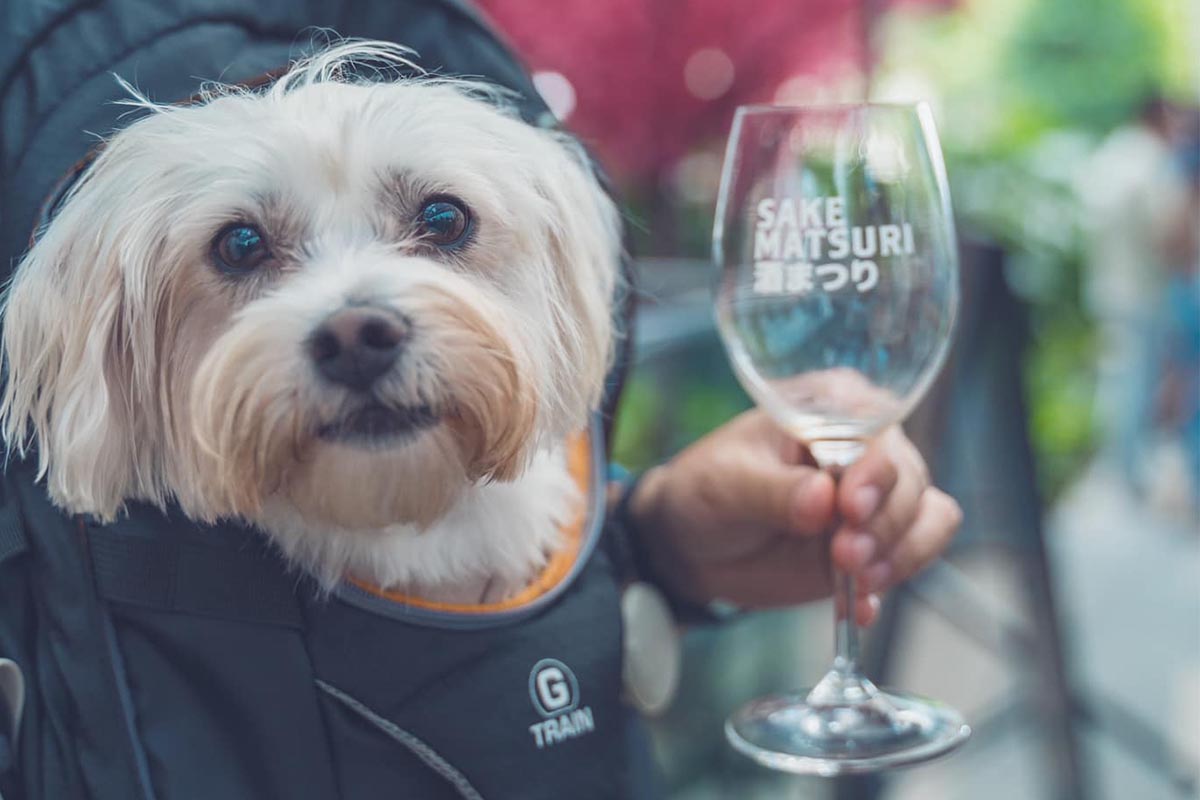
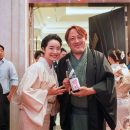
Scenes from previous years of Sake Matsuri Singapore, an annual celebration bringing together sake enthusiasts, delicious food, and vibrant entertainment for a true taste of Japan. All images from Sake Matsuri Singapore
Two days, one massive pour, over 500 labels
This year’s Sake Matsuri Singapore takes place from March 28–29 at the F1 Pit Building, where visitors can sample more than 500 labels of sake, shochu, and Japanese spirits imported directly from Japan.
The lineup spans a wide spectrum — from fragrant junmai ginjo styles to refined daiginjo expressions produced in historic brewing regions such as Niigata, Fushimi in Kyoto, and Akita, areas long known for their high-quality rice and brewing traditions.
Some booths pour cloudy nigori sake that looks almost like coconut milk, while others serve ultra-refined daiginjo so delicate it’s presented in wine glasses.
PRO TIP
Don’t just wander between booths. Guided tasting sessions and masterclasses led by sake educators and industry experts offer a crash course in aroma, body, and serving temperatures —knowledge that can elevate everything from dinner parties to corporate hospitality events.
Beyond tastings, the festival blends culture, education, and entertainment. Visitors can learn basic sake etiquette — such as pouring for others before serving yourself — and explore pairing ideas that go beyond traditional Japanese cuisine. Some workshops even experiment with local favorites like satay or chilli crab, proving sake works surprisingly well with Southeast Asian flavors.
Now on its 12th edition, the festival also features live entertainment and pop-culture elements that introduce younger audiences to the wider world of Japanese food and drink.
Singapore’s sake boom is real
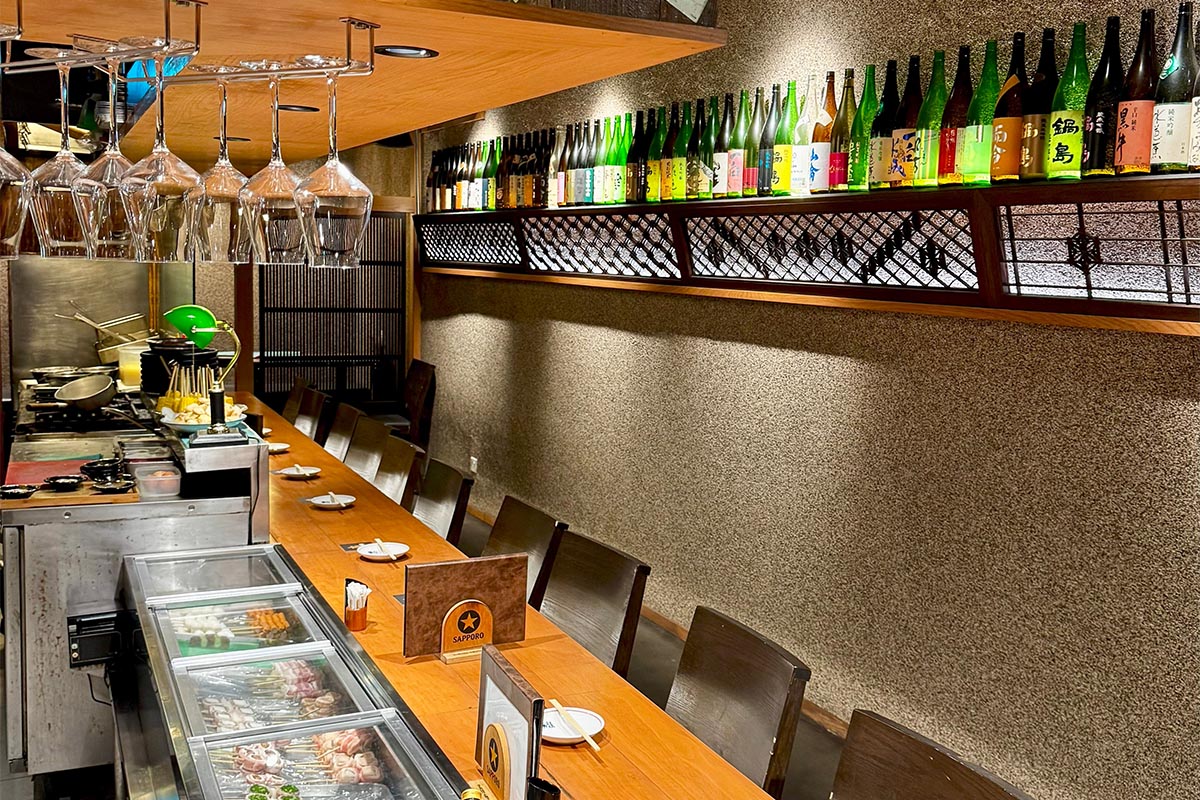
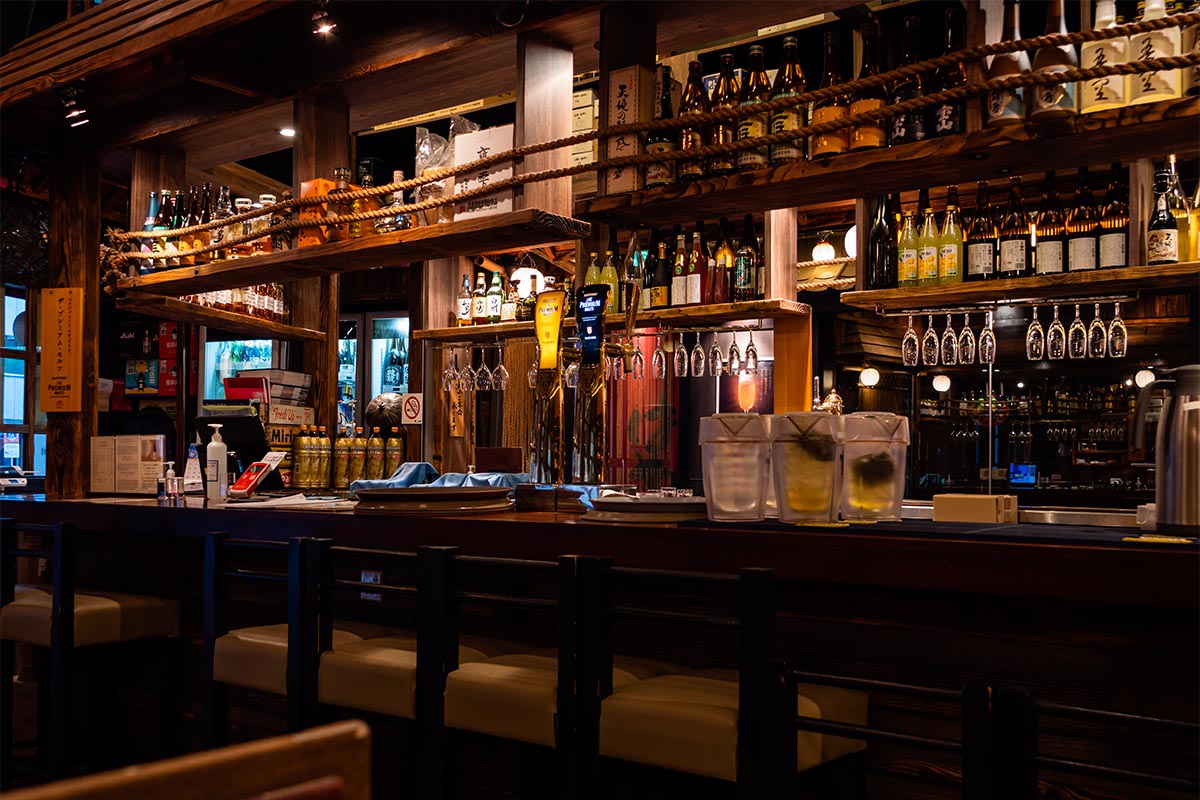
The festival reflects a broader shift in Singapore’s food scene. Over the past decade, the city has seen a growing number of sake-focused bars, izakayas, and restaurants offering curated selections and guided tasting experiences.
Retail trends mirror this interest. Department store food halls prominently feature imported sake, while many supermarkets now stock widely recognized labels like Dassai and Hakkaisan.
For curious buyers, one tip is to look for “nama” (unpasteurized) sake, which must be kept chilled and tends to deliver a fresher, fruitier, livelier, and more aromatic flavor profile, often with a slight sparkle — frequently compared to young white wine.
Sake is also big business. For professionals in hospitality and trade, sake culture offers more than a pleasant drink. Japan’s brewing industry combines centuries-old techniques with modern production and branding strategies, making it an interesting case study in heritage food industries.
Beyond the social aspect, events like Sake Matsuri Singapore likewise function as informal networking spaces, bringing together importers, restaurateurs, distributors, and beverage educators.
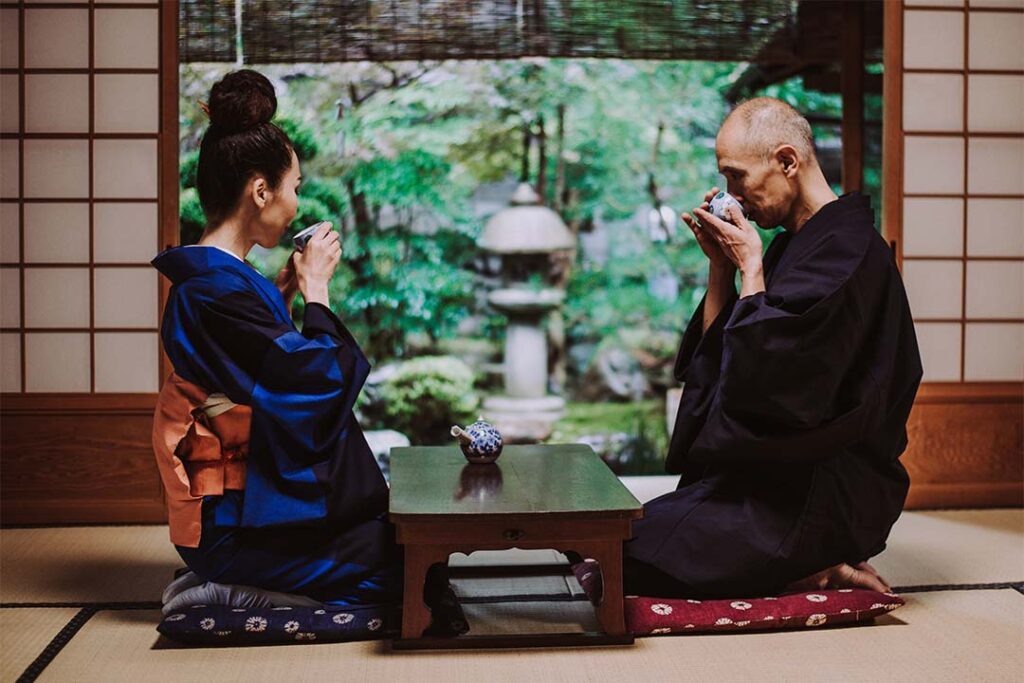
Understanding sake can even be a useful cultural skill. In Japan, sake frequently appears in ceremonial settings—weddings, New Year celebrations, shrine rituals, and company milestones. A traditional kagami-biraki ceremony, where a sake barrel is opened with wooden mallets, is often performed at celebrations to symbolize good fortune.
Inside Singapore’s F1 Pit Building, rows of small tasting glasses line the tables like lab samples. Each holds a different style of sake — some crystal clear, others cloudy and aromatic—as visitors swirl, sniff, and compare notes.
Professionals who understand basic etiquette and regional styles may find it easier to host Japanese clients or collaborate with partners in Japan.
From samurai rituals to anime cameos
From samurai rituals to anime cameos, sake’s cultural roots stretch back more than a millennium. Brewing techniques were first documented during Japan’s Nara period (710–794), when Buddhist temples and Shinto shrines refined fermentation methods and preserved knowledge of rice polishing and koji cultivation. By the Heian period (794–1185), sake had moved beyond religious offerings to courtly life and ceremonial rites. Samurai drank it before battle as a form of ritual purification, and leaders shared it with retainers as a gesture of loyalty. Today, family-run breweries in Japan still honor these centuries-old traditions, marrying craftsmanship with modern techniques.
Sake also thrives in pop culture, appearing in films like Your Name and anime such as Rurouni Kenshin, where it signals hospitality, celebration, or quiet, intimate moments between characters. Seasonal packaging, from sakura-themed bottles to festival editions, underscores how this ancient drink continues to evolve, straddling tradition and contemporary style.
In Singapore, a subtle but growing shift is underway. Drinkers here aren’t just sampling sake — they’re tracing its lineage, soaking in its history, and following its cultural footprint from the shrines of Nara to the screens of Tokyo. For a city known for its cosmopolitan palate, the appeal lies as much in the story behind the sip as the sip itself.
Insider Tips: how to drink sake (without looking like a rookie)
1. Temperature matters.
Unlike most wines, sake can be served chilled, at room temperature, or warmed depending on style. Junmai often works well warm, while ginjo and daiginjo styles shine when chilled.
2. Pair broadly.
Sake isn’t limited to Japanese food. Lighter styles pair well with salads and seafood, while richer varieties complement meats or creamy dishes.
3. Start small.
Many producers sell 300–500ml bottles, a convenient way to explore different styles before committing to a standard 720ml bottle.
4. Attend tastings.
Festivals and guided tastings help newcomers identify flavor notes and brewing styles more quickly than drinking casually.
5. Learn the labels.
Terms like junmai, ginjo, and daiginjo indicate polishing ratios and brewing methods, helping drinkers navigate quality and flavor differences.
Kanpai to 60 years of Japan–Singapore ties
Sake in Singapore today is more than a drink—it’s a cultural passport. From hawker-center pairings to industry tastings, this centuries-old Japanese tradition is bringing flavors, friends, and business connections together in ways both delicious and unexpected. Festivals, pop-ups, and specialty bars are turning sake into a conversation starter, an experience, and sometimes even a moment of quiet joy.
As Sake Matsuri Singapore grows each year, Japan’s oldest drink is clearly having a moment, finding a fresh, modern audience across the Southeast Asian city-state — and after 60 years of Japan–Singapore ties, it’s proof that good things only get better with time.