
What’s made at the Science Park of the Philippines (Science Park) travels far, supplying global markets with everything from car parts and computer chips to food products.

When people hear the term “industrial park,” they often think in broad strokes: jobs, factories, foreign investment. What is less visible are the everyday products that quietly trace their origins back to these sites. Components and goods are being produced that end up in cars, electronics, and food products used by millions of people worldwide.
At Science Park, this global reach is not an abstract idea. It is built into the DNA of the company’s parks, which host a concentration of Japanese and other multinational firms whose operations serve international markets.
One of the most recognizable Japanese names operating within Science Park is Tamiya, known globally for its precision-engineered model kits. From its Philippine operations, components and finished products are manufactured with the same attention to detail that has defined the brand for decades. These products are shipped to hobbyists around the world, illustrating how highly specialized manufacturing can thrive far beyond its country of origin.
Science Park’s developments are designed to support complex manufacturing requirements, from reliable utilities and logistics access to scalable layouts that allow companies to grow over time.

The same is true in the automotive sector. Companies such as Sumitomo Wiring Systems, Continental Temic, and other electronics manufacturers located within Science Park produce sensors, controls, and electronic systems for high-end vehicles. These parts may never be seen by the end consumer, but they play a critical role in safety, efficiency, and performance. Vehicles assembled in Europe, Japan, or North America may well rely on components produced in the Philippines, in facilities located in Science Park.
Beyond electronics and precision manufacturing, Science Park is also home to food-related companies whose reach extends into kitchens across Asia and beyond. Monde Nissin, for example, operates facilities that support the production of widely consumed food products. These items are not just export goods; they are staples that form part of daily life for millions of households.
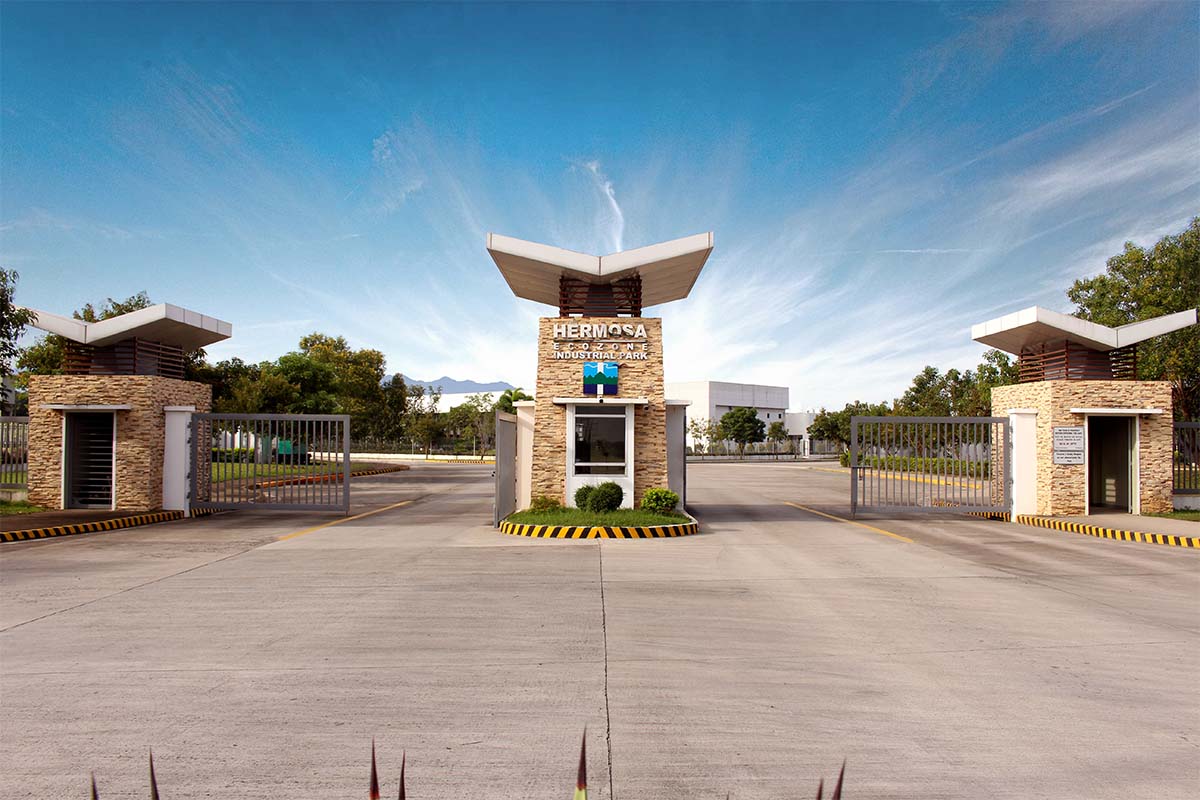
What ties these diverse industries together is not just geography, but infrastructure and planning. Science Park’s developments are designed to support complex manufacturing requirements, from reliable utilities and logistics access to scalable layouts that allow companies to grow over time. This stability is particularly important for Japanese firms, many of which take a long-term view when investing overseas.
The impact of these operations goes beyond balance sheets and export figures. Industrial parks generate employment, transfer skills, and anchor local economies. Workers trained in precision manufacturing, quality control, and food safety bring those skills into the broader workforce. Communities around the parks benefit from sustained economic activity rather than short-term booms.
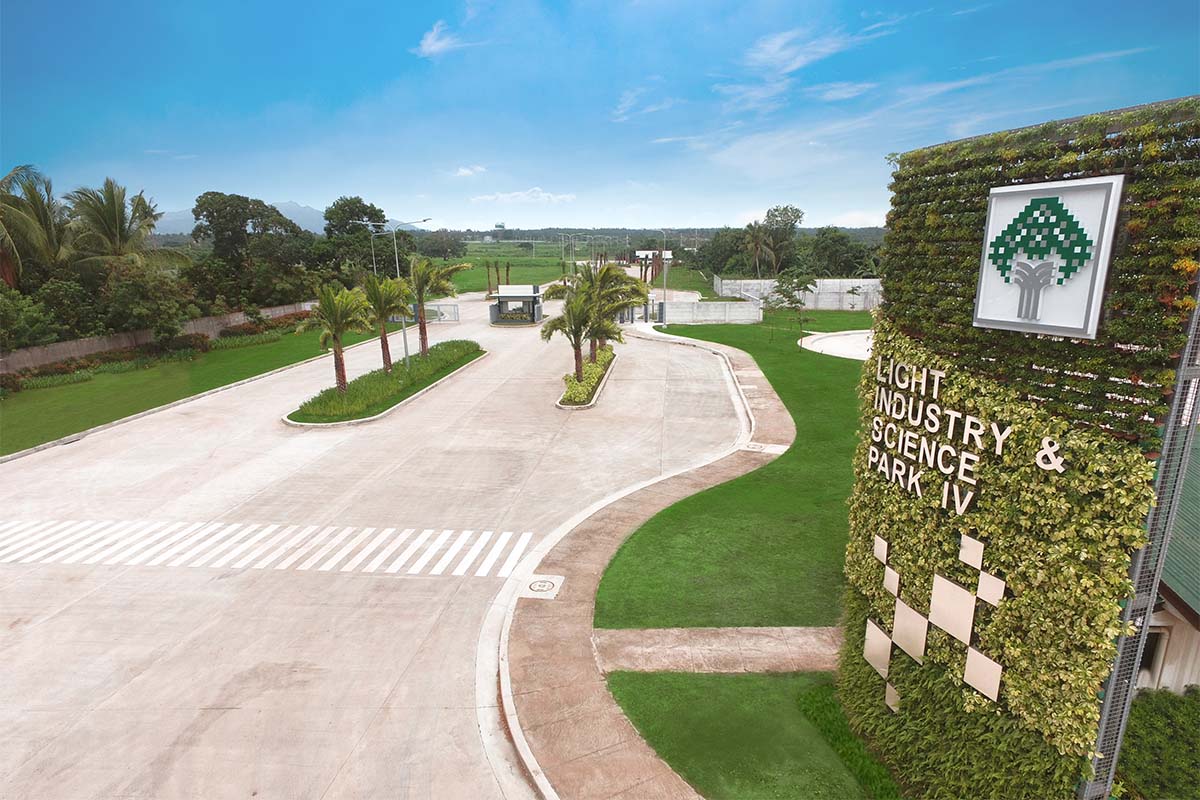
In this sense, Science Park acts as a bridge. It connects global companies to local talent, and local production to international markets. Products manufactured within its gates may travel thousands of kilometers, but their origins remain firmly rooted in the Philippines.
As global supply chains continue to evolve, the role of well-planned industrial parks becomes even more important. By providing a stable platform for world-class manufacturers, Science Park ensures that what begins at its doorstep can continue to reach the world, reliably and at scale.
Makati Head Office
17F Robinsons Summit Center, 6783 Ayala Avenue, Makati City, 1226 Philippines
(632) 8790 2200
(632) 8856 6916
Sales Agency In Japan (日本販売代理) Sojitz Corporation(双日株式会社)
1-1, Uchisaiwaicho 2-chome, Chiyodaku, Tokyo, Japan (東京都千代田区内幸町2-1-1)
+81-3-6871-2243