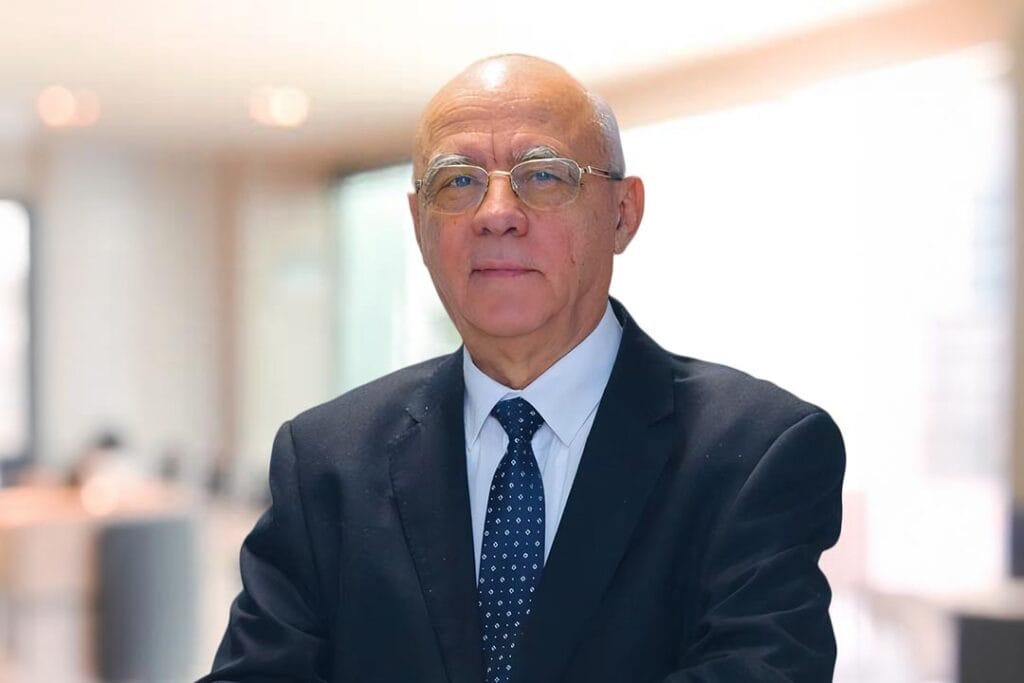

Andreea Nate provides leadership identity coaching for leaders navigating growth, change and their next level of leadership. Having spent time in Japan, Andreea shares her insights on the Romania – Japan connection.

“Having the opportunity to live and study in Japan while pursuing my MBA at GLOBIS University in Tokyo has given me a new perspective on the relationship between Japan and Romania. Although the two countries are geographically far apart, I believe that in today’s interconnected world, distance is no longer a significant barrier to building strong partnerships.
Through my experience in both countries, I see many opportunities for them to learn from each other and collaborate in areas where their strengths complement one another.
One important area is technology and artificial intelligence. Both countries recognize the opportunities AI can bring to businesses and society, but there is still significant room to accelerate adoption. I believe that closer cooperation, knowledge exchange and partnerships between companies could help both countries move faster in this direction.
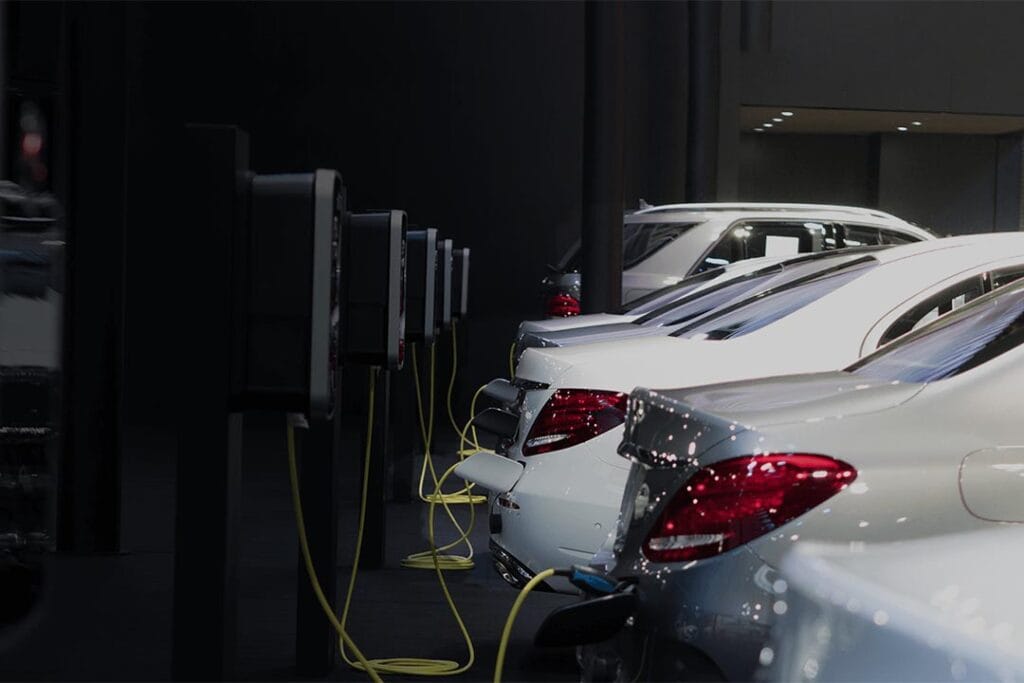
Another area is infrastructure and mobility. Romania still has significant infrastructure challenges and could learn a great deal from Japan’s experience, particularly its highly developed public transportation system, railway network and approach to urban mobility. Japanese expertise and investment in this area could bring substantial value to Romania.
I also see opportunities in defence and security cooperation. Given Romania’s strategic position as a country bordering Ukraine, the current security context makes this particularly relevant. Japan has developed advanced technologies and capabilities in areas such as surveillance, robotics and defence systems. Knowledge exchange and technological partnerships could contribute to strengthening Romania’s capabilities, particularly in protecting its airspace and critical infrastructure.
Beyond these specific areas, I believe that stronger connections between the two countries could create opportunities for businesses, universities and professionals. Having the opportunity to experience both cultures, I see significant potential for collaboration, built on mutual learning, trust and a shared interest in innovation.”