
As Silicon Valley continues to shape the future of global technology, Japan’s longstanding presence in Northern California is evolving into a dynamic partnership spanning artificial intelligence, investment, manufacturing and innovation.
Silicon Valley needs little introduction. Home to some of the world’s most influential technology companies, pioneering startups and venture capital firms, this stretch of Northern California has become synonymous with innovation. From the personal computer and the internet to today’s artificial intelligence revolution, ideas born here have repeatedly changed how the world lives and works.
Japan has been part of that story for decades.

Across San Francisco, Silicon Valley and the wider Northern California region, Japanese companies have established an extensive presence in technology, finance, manufacturing, transportation, real estate, food and hospitality. Their investments and partnerships form an important part of the regional economy, connecting one of the world’s most established industrial powers with its most celebrated innovation ecosystem.
Today, that relationship is entering another significant chapter.
As artificial intelligence moves beyond software into robotics, advanced manufacturing, semiconductors and energy, the complementary strengths of Japan and Northern California are creating fresh opportunities for companies on both sides of the Pacific.
The scale of Japan’s existing presence provides a substantial foundation on which to build.
Japan’s economic footprint runs deep
The figures reveal just how significant that relationship has become.
According to the World Trade Center Los Angeles’s 2026 Foreign Direct Investment in California report, Japan ranks as California’s largest source of employment from foreign-owned enterprises, supporting approximately 130,000 jobs across 3,500 establishments and generating an estimated $15.6 billion in annual wages.
Within the Bay Area alone, Japanese-owned enterprises account for more than 34,000 jobs across approximately 1,000 establishments, representing a substantial part of Japan’s economic footprint in California.
The Japanese Chamber of Commerce of Northern California (JCCNC), established in 1950, offers another window into this presence. Its membership includes 280 companies, with 43% located in Silicon Valley, 29% in San Francisco and the remaining 28% spread across the East Bay, Sacramento, Napa and other parts of Northern California.
The diversity of these companies is equally revealing. Alongside technology names such as Sony, Hitachi, Fujitsu, NEC and NTT are financial institutions including MUFG, Mizuho and SMBC, trading houses such as Mitsubishi Corporation, Mitsui, Marubeni, Sumitomo and Itochu, and companies involved in transportation, construction, food, insurance and entertainment.
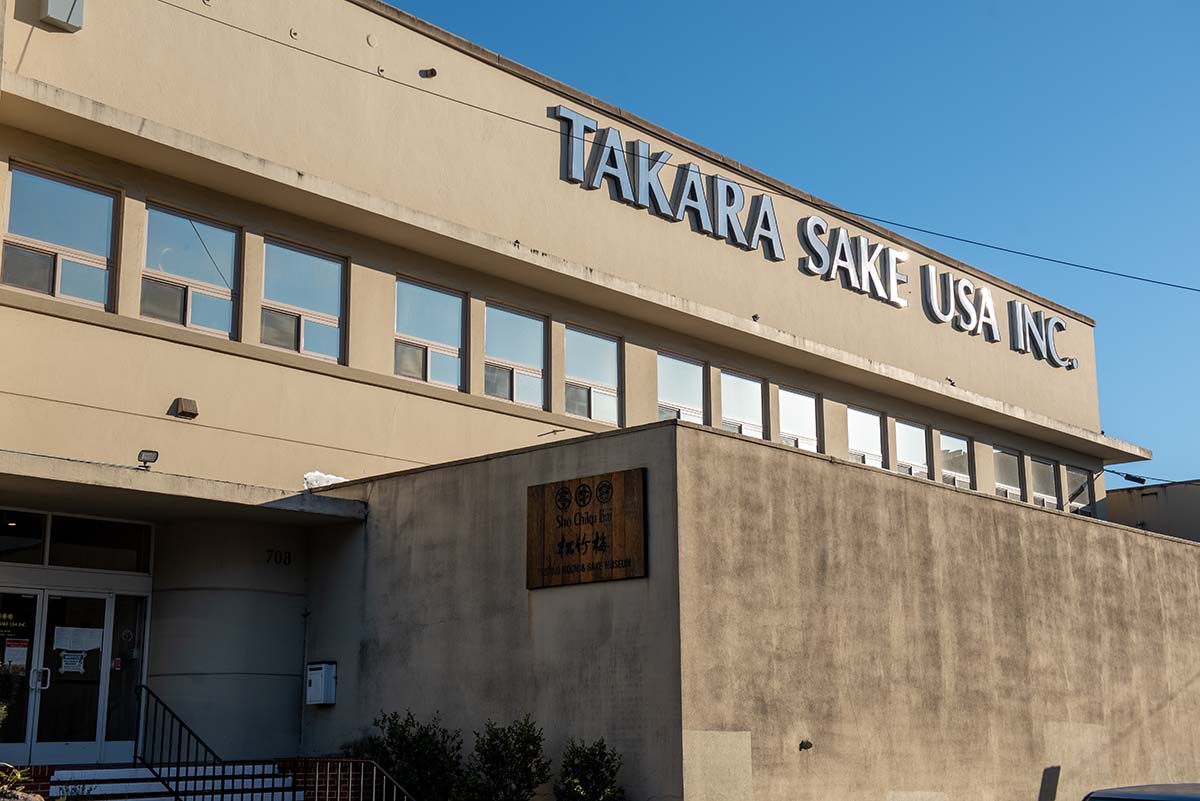
Japanese enterprise has also become part of Northern California’s everyday landscape. Takara Sake USA established its Berkeley operation in 1983, while Mitsubishi Corporation opened its Silicon Valley branch as early as 1974. Both illustrate a relationship whose roots extend well beyond the current technology boom.
A new era of Japanese investment
The nature of Japanese investment in Northern California has changed considerably over the years, reflecting the region’s transformation into a global center for technology and entrepreneurship.
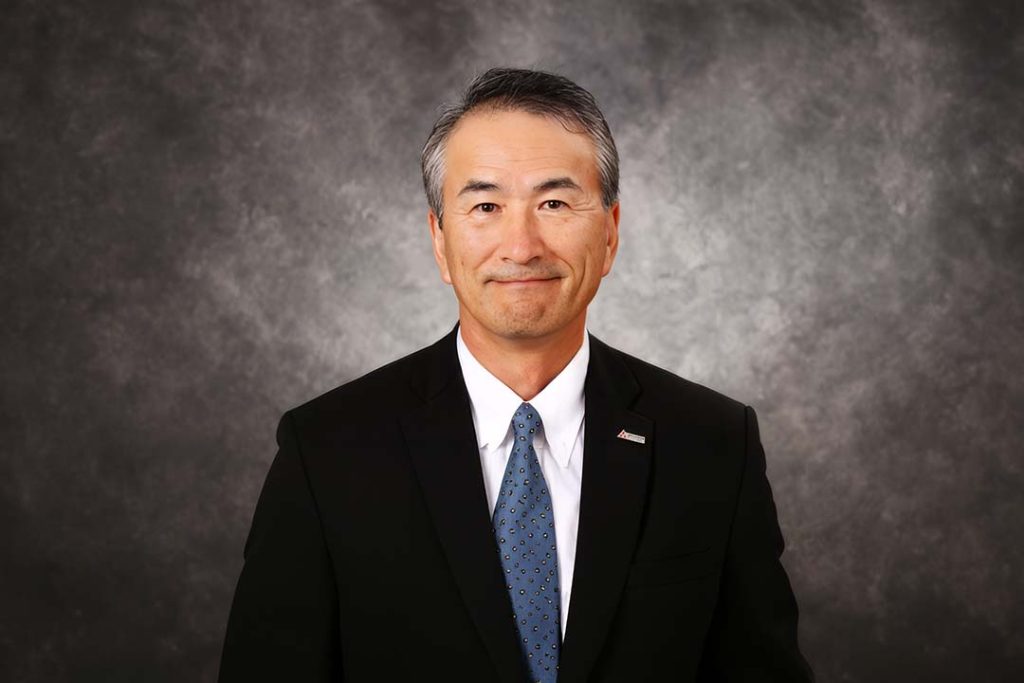
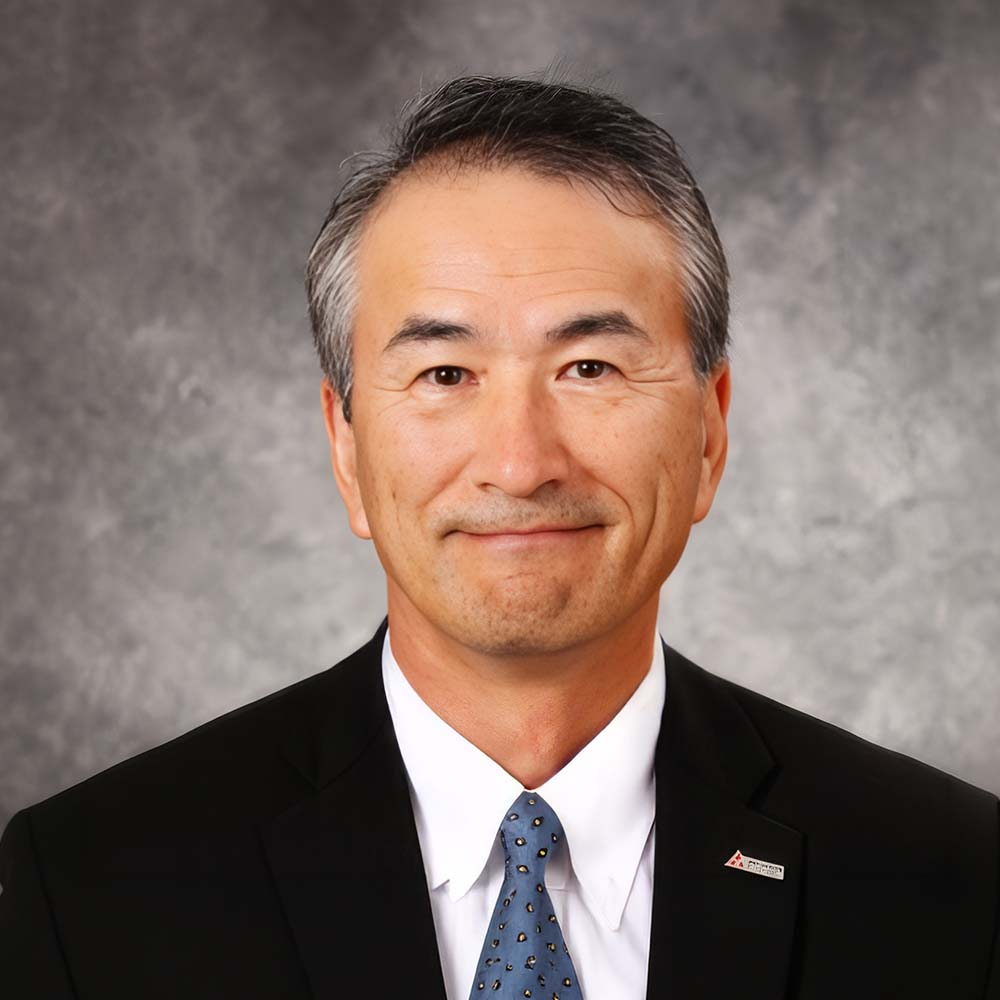
Keijiro (Kent) Hora, Executive Director of JCCNC, has witnessed this evolution through the chamber’s engagement with Japanese companies and the wider Northern California business community.
Japanese companies have long regarded the region as an important business base. Increasingly, however, they are seeking deeper collaboration with startups, investors, researchers and technology entrepreneurs.
The greatest opportunities, Hora suggests, arise where the two economies’ strengths complement each other. Silicon Valley excels in entrepreneurship, software, venture capital and the rapid commercialization of new technologies. Japan brings manufacturing capabilities, engineering expertise, industrial knowledge and established global supply chains.
This changing approach is also evident in the work of the Japan External Trade Organization (JETRO), which supports Japanese companies and entrepreneurs seeking opportunities in the Bay Area.

Kanako Watanabe, Chief Executive Director of JETRO San Francisco, describes a fundamental shift in how Japanese businesses engage with the region.
“Japanese companies still come here to scout technology, but the focus has shifted from observation to execution: investing through CVCs and VC funds, co-developing with startups, and placing decision-makers on the ground. We are also seeing more Japanese founders choose the Bay Area to build global companies from day one.”
That growing commitment is visible in the infrastructure supporting Japanese entrepreneurs.
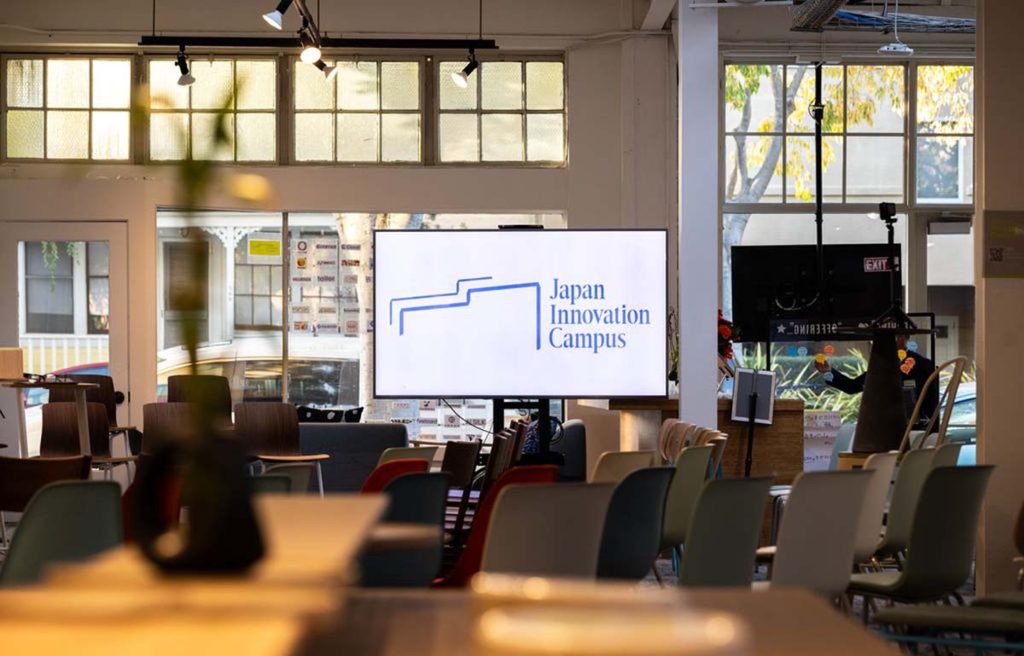
The Japan Innovation Campus in Palo Alto, opened in November 2023, has registered more than 100 startups. JETRO’s programs offer mentoring, acceleration opportunities and introductions to American corporations and investors, helping Japanese businesses navigate an ecosystem that can be challenging even for experienced international companies.
Access to capital, talent and customers makes the Bay Area particularly attractive to Japanese startups with global ambitions. Established corporations, meanwhile, are finding opportunities to discover emerging technologies and participate directly in their development.
When Silicon Valley meets Japanese manufacturing
Perhaps the most compelling opportunity lies in the next generation of technology.
Artificial intelligence has dominated the global business conversation, but its applications increasingly extend into physical industries where Japan has considerable expertise.
The convergence of digital innovation and industrial capability could become a defining feature of Japan’s future relationship with Silicon Valley.
Watanabe explains:
“The next chapter will be defined by AI meeting the physical world — robotics, advanced manufacturing, semiconductors and energy. As hardware moves back to the center of Silicon Valley, with more and more Y Combinator founders now building physical products, Japan’s deep manufacturing expertise becomes a real competitive edge.”
The implications extend across industries, from intelligent factories and autonomous mobility to medical devices, energy systems and industrial robotics.
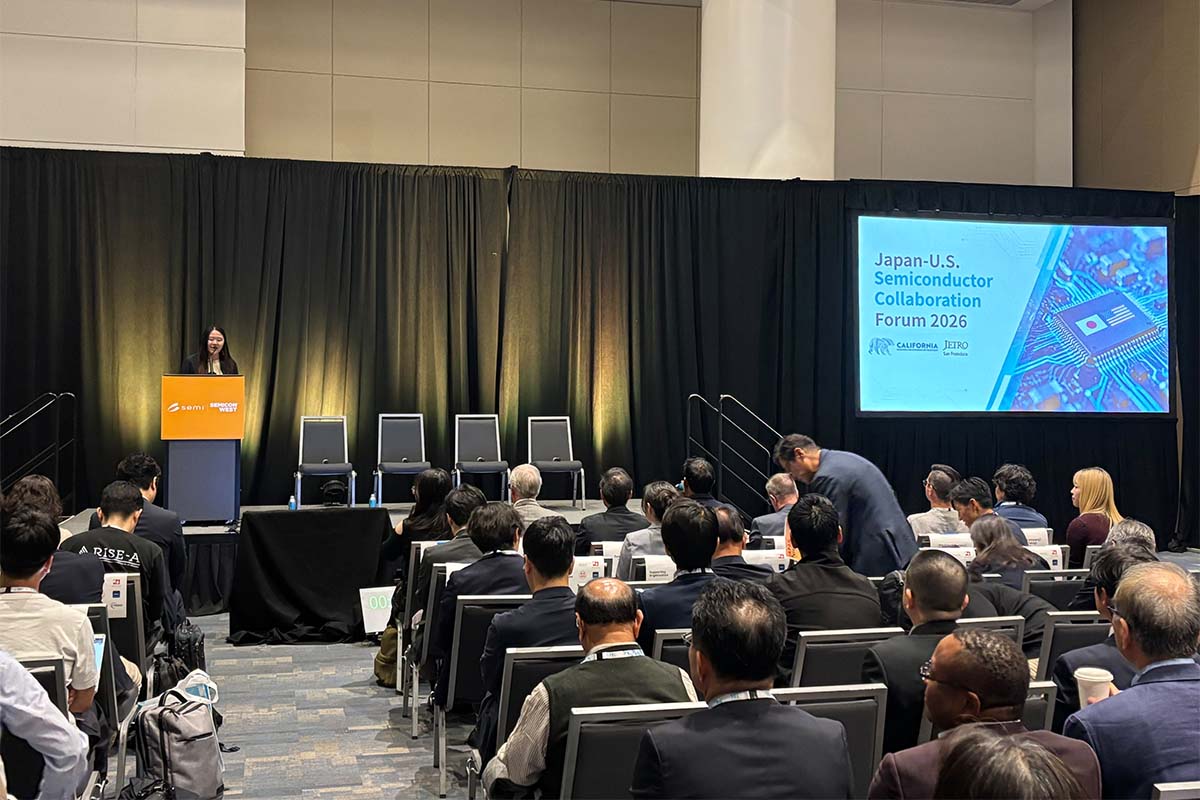
These emerging opportunities are already generating discussion across Northern California’s business community. JCCNC has organized events exploring AI, mobility innovation, hydrogen technology and dual-use technologies, including its September 2026 U.S.–Japan Dual-Use Tech Seminar, which brought together participants from the defense and technology sectors.
Such initiatives highlight the growing intersection of innovation, industrial capability and economic security, and the opportunities for Japanese and American companies to collaborate in fields that will shape future industries.
A two-way opportunity
The growing interest in cross-border collaboration is also bringing Northern California companies closer to Japan.
Japan’s sophisticated consumer and enterprise markets, engineering expertise, industrial partnerships and connections throughout Asia offer attractive opportunities for American companies seeking to expand internationally.
Yet entering a new market brings its own challenges, particularly for startups navigating unfamiliar business practices and corporate networks.
Watanabe acknowledges these practical considerations:
“Bay Area companies increasingly see Japan as a market of sophisticated enterprise customers willing to pay for real solutions, backed by strong government commitment to startups and open innovation. What holds them back is rarely the opportunity itself but access: language, longer enterprise sales cycles, and finding the right partner — precisely the gap JETRO helps close.”
Japan’s substantial investment footprint and Silicon Valley’s continued influence on global technology provide a strong foundation for further cooperation. This evolving relationship also opens an opportunity to tell the stories of the Japanese and American companies helping shape Northern California’s economic future.
Organizations such as JETRO and JCCNC play important roles in connecting the two business communities, helping companies identify opportunities and develop relationships that can lead to lasting partnerships.
Their engagement also extends into government. JCCNC’s annual visits to Sacramento and its participation in California–Japan legislative discussions have helped keep climate change, clean energy and innovation on the bilateral agenda.
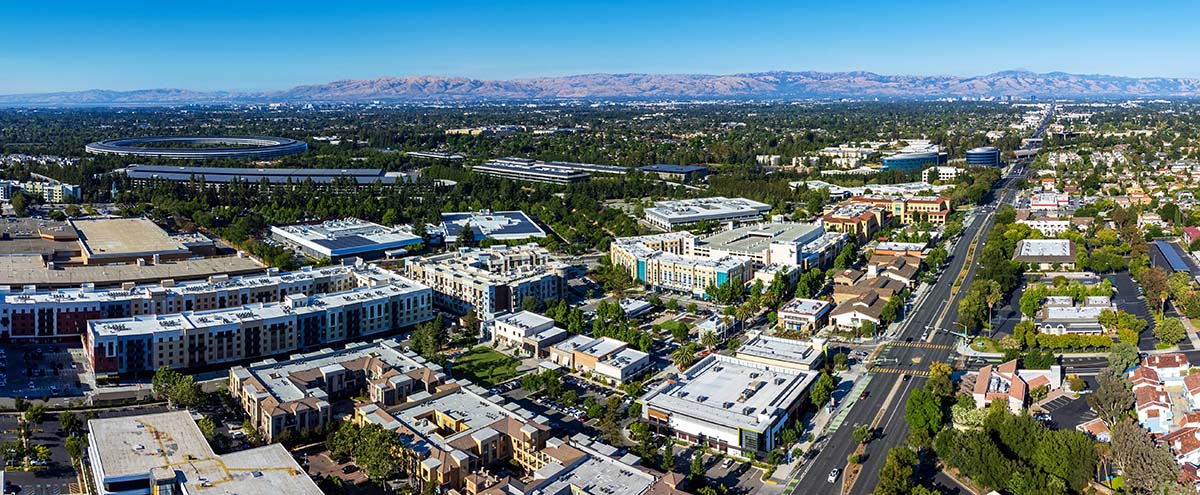
Decades of institutional connections, established companies and a growing generation of entrepreneurs have created an environment where new ideas and business opportunities can move increasingly freely across the Pacific.
The next chapter of a remarkable relationship
Behind the investment figures and technological developments are the people, companies and partnerships that have helped build one of the Pacific’s most significant economic relationships.
Northern California’s Japanese business community encompasses generations of established enterprises alongside ambitious startups, investors and innovators. Their activities reach from the laboratories and venture capital offices of Silicon Valley to the financial institutions of San Francisco, the manufacturing supply chains of California and the agricultural landscapes of Napa.
Looking ahead, Hora anticipates closer collaboration in AI, robotics, advanced manufacturing, healthcare, clean energy and emerging technologies.
“The Bay Area and Japan have different strengths, but that is precisely what makes the relationship so valuable. Our goal at JCCNC is to help build those connections and turn them into lasting partnerships.”
Japan’s substantial investment footprint and Silicon Valley’s continued influence on global technology provide a strong foundation for further cooperation.
This evolving relationship also opens an opportunity to tell the stories of the Japanese and American companies helping shape Northern California’s economic future.
Through its continuing coverage, Bridges will explore these businesses, the people behind them and the investments and partnerships connecting the two economies.
Together, their stories offer a window into how Japan and Northern California are helping shape the next generation of global business and innovation.