

Japanese companies are moving beyond technology scouting to become active investors, collaborators and innovators in the Bay Area, while Silicon Valley startups are increasingly discovering opportunities in Japan.
For decades, Silicon Valley has attracted Japanese companies eager to understand the technologies and business models shaping the future. Today, their ambitions have grown considerably.

Japanese corporations are investing through venture capital funds, developing technologies alongside American startups and establishing a more active presence in the Bay Area’s innovation ecosystem. At the same time, a new generation of Japanese entrepreneurs is choosing Silicon Valley as the starting point for businesses with global ambitions.
Supporting these connections is the Japan External Trade Organization (JETRO), whose San Francisco office works with companies and startups navigating opportunities on both sides of the Pacific.
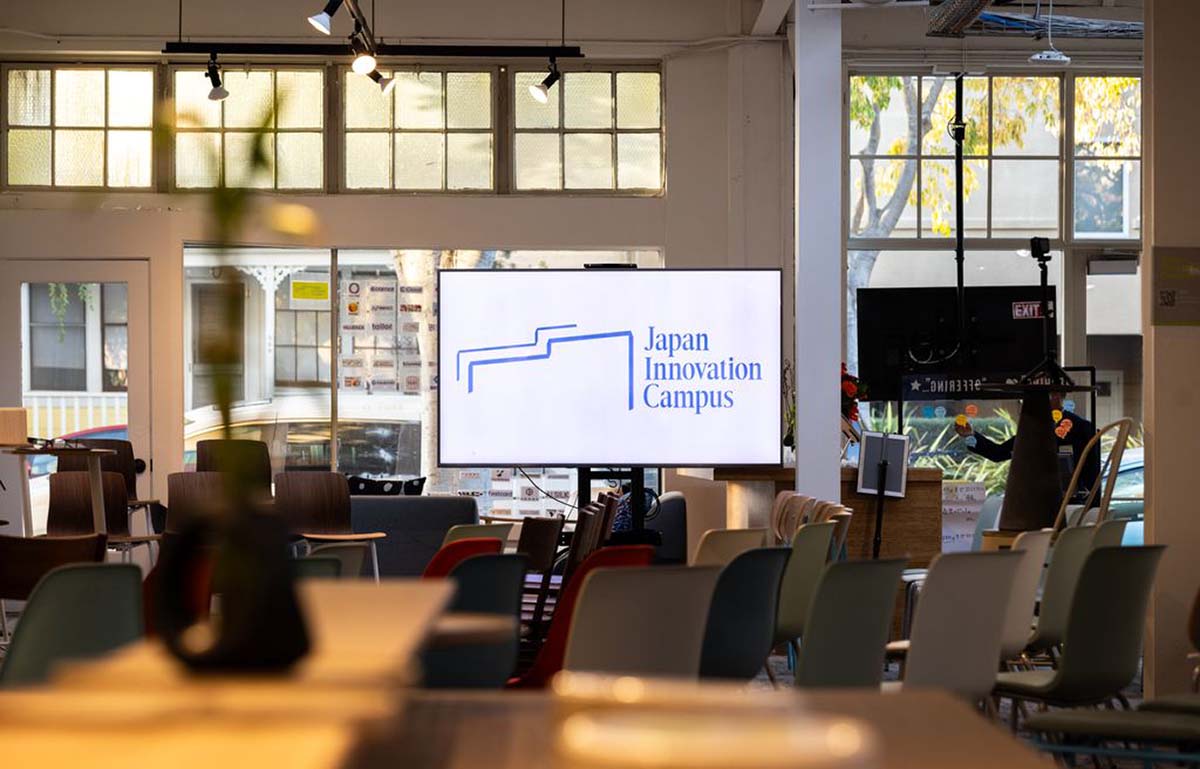
Through initiatives such as the Japan Innovation Campus in Palo Alto, startup acceleration programs and connections with American investors and corporations, JETRO is helping turn international business interest into practical partnerships.
The next wave of innovation could bring Silicon Valley and Japan even closer together, particularly as artificial intelligence finds new applications in robotics, advanced manufacturing, semiconductors and energy — industries where Japanese expertise offers considerable advantages.
What does this changing landscape mean for Japanese companies seeking a foothold in Silicon Valley, and for American innovators looking toward Japan? Kanako Watanabe, Chief Executive Director of JETRO San Francisco, offers a firsthand perspective on the opportunities, challenges and emerging technologies shaping the next phase of cooperation.
Bridges: From JETRO San Francisco’s work on the ground, what are you seeing Japanese companies actually come to the Bay Area to do today? Are they primarily scouting technologies and startups, seeking investment opportunities and partnerships, recruiting talent, or using the region as a window into where global innovation is heading?
Kanako Watanabe: Japanese companies still come here to scout technology, but the focus has shifted from observation to execution: investing through CVCs and VC funds, co-developing with startups, and placing decision-makers on the ground. We are also seeing more Japanese founders choose the Bay Area to build global companies from day one.
“Bay Area companies increasingly see Japan as a market of sophisticated enterprise customers willing to pay for real solutions, backed by strong government commitment to startups and open innovation. What holds them back is rarely the opportunity itself but access: language, longer enterprise sales cycles, and finding the right partner — precisely the gap JETRO helps close.”
Kanako Watanabe, Chief Executive Director of JETRO San Francisco
Japan has been working to strengthen its own startup and innovation ecosystem and attract more international companies and investment. What are you seeing from Bay Area startups and technology companies considering Japan, and what tends to make Japan attractive to them — or hold them back?
Bay Area companies increasingly see Japan as a market of sophisticated enterprise customers willing to pay for real solutions, backed by strong government commitment to startups and open innovation. What holds them back is rarely the opportunity itself but access: language, longer enterprise sales cycles, and finding the right partner — precisely the gap JETRO helps close.
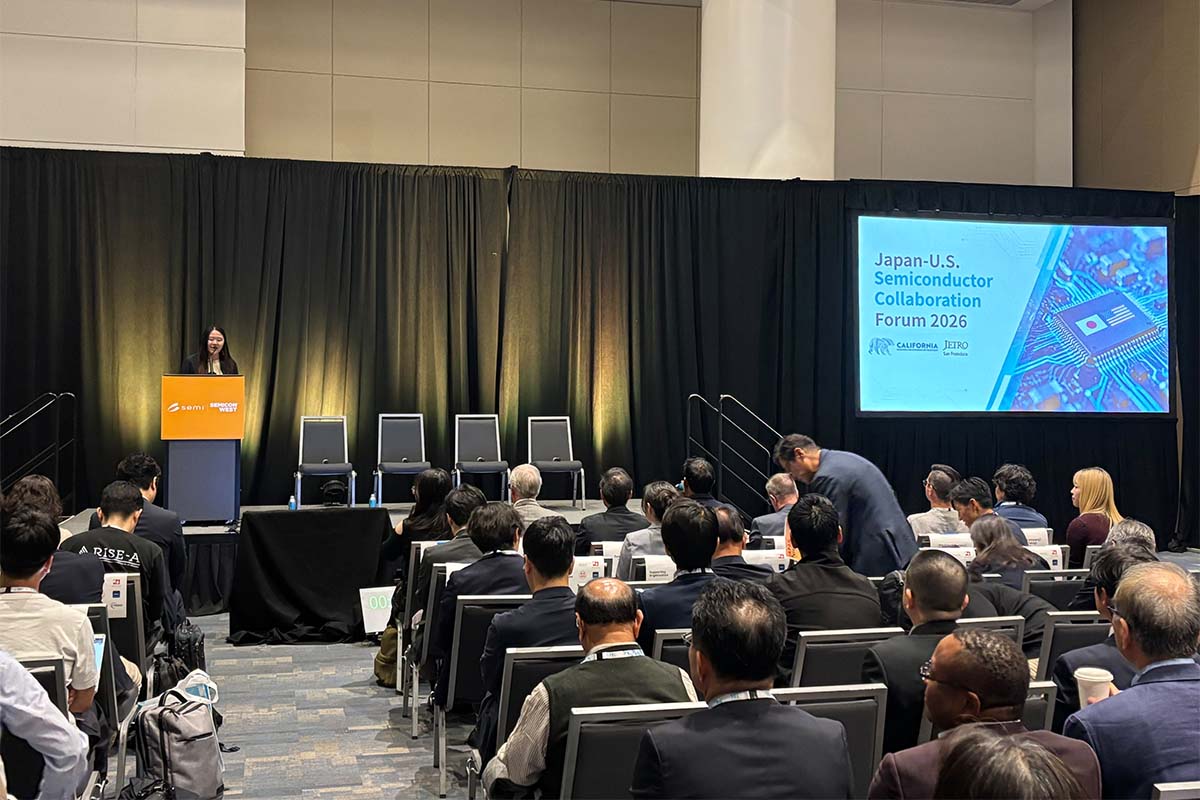
Looking ahead, which emerging areas do you believe could define the next chapter of the Japan–Bay Area economic relationship? Are there particular technologies, industries or forms of collaboration where JETRO is seeing momentum that may not yet be widely recognized?
The next chapter will be defined by AI meeting the physical world — robotics, advanced manufacturing, semiconductors and energy. As hardware moves back to the center of Silicon Valley, with more and more Y Combinator founders now building physical products, Japan’s deep manufacturing expertise becomes a real competitive edge.