
In a world that rarely slows down, the teachings of a Japanese Buddhist priest offer a reminder of the value of mindfulness, simplicity and approaching life with an open mind. More than six decades after Shunryu Suzuki Roshi arrived in San Francisco, his legacy continues through one of the Western world’s most influential Zen Buddhist communities.
As we go through life, we accumulate knowledge, experiences, opinions and expectations. We develop ideas about how things should work and how our lives ought to unfold. Yet somewhere along the way, we can lose the curiosity and openness with which we once approached the world.
This is one of the central teachings of Zen Mind, Beginner’s Mind, the influential 1970 book based on the teachings of Japanese Zen Buddhist priest Shunryu Suzuki Roshi.
“In the beginner’s mind there are many possibilities, but in the expert’s there are few.”
The idea is remarkably simple. Regardless of how experienced we become, we should approach life with the openness of a beginner, remaining curious, receptive and willing to see things differently.
It is a philosophy that feels particularly relevant today. In a world of constant notifications, demanding schedules and an almost relentless pursuit of what comes next, finding time to be still and fully present has become increasingly difficult.
Zen Buddhism encourages a different approach. Through mindfulness, meditation and an acceptance of life’s impermanence, its teachings invite us to pay closer attention to the present, loosen our attachment to expectations and find meaning in everyday activities.
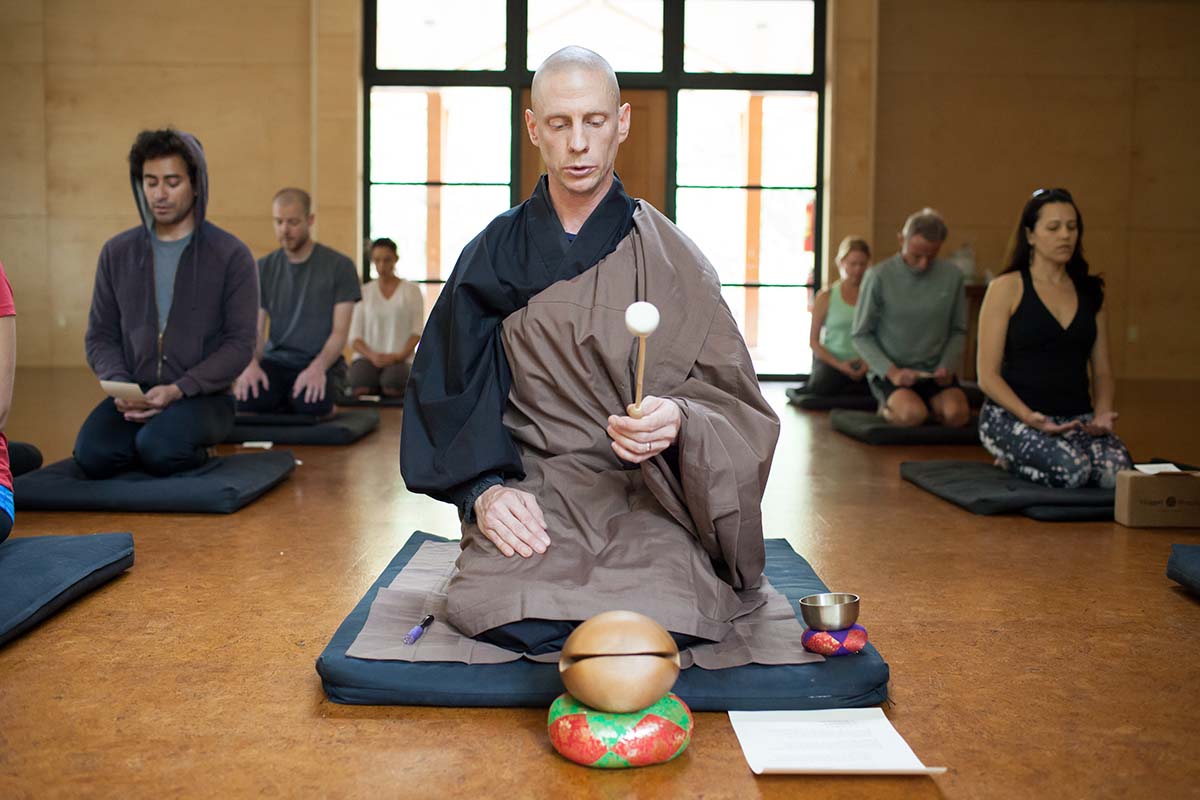
At the heart of this tradition is zazen, or seated meditation, which encourages practitioners to observe their thoughts without becoming carried away by them. There is something deeply appealing about this philosophy, especially in an age when we are constantly encouraged to do more, achieve more and move faster.
And perhaps that helps explain why these teachings found such fertile ground in San Francisco more than six decades ago.
When Japanese Zen met San Francisco
In 1959, Shunryu Suzuki Roshi arrived in San Francisco from Japan, entering a city already experiencing a remarkable cultural awakening.
During the 1940s and 1950s, San Francisco had become an important center of the Beat Generation, a literary and cultural movement whose writers, poets and artists challenged conventional American values and explored alternative approaches to spirituality and everyday life.
The city’s North Beach neighborhood was a gathering place for intellectuals and free thinkers fascinated by Eastern philosophy. The writings of Japanese Zen scholar D.T. Suzuki were gaining attention, while Jack Kerouac’s 1958 novel The Dharma Bums had brought Buddhist ideas into the wider cultural conversation.
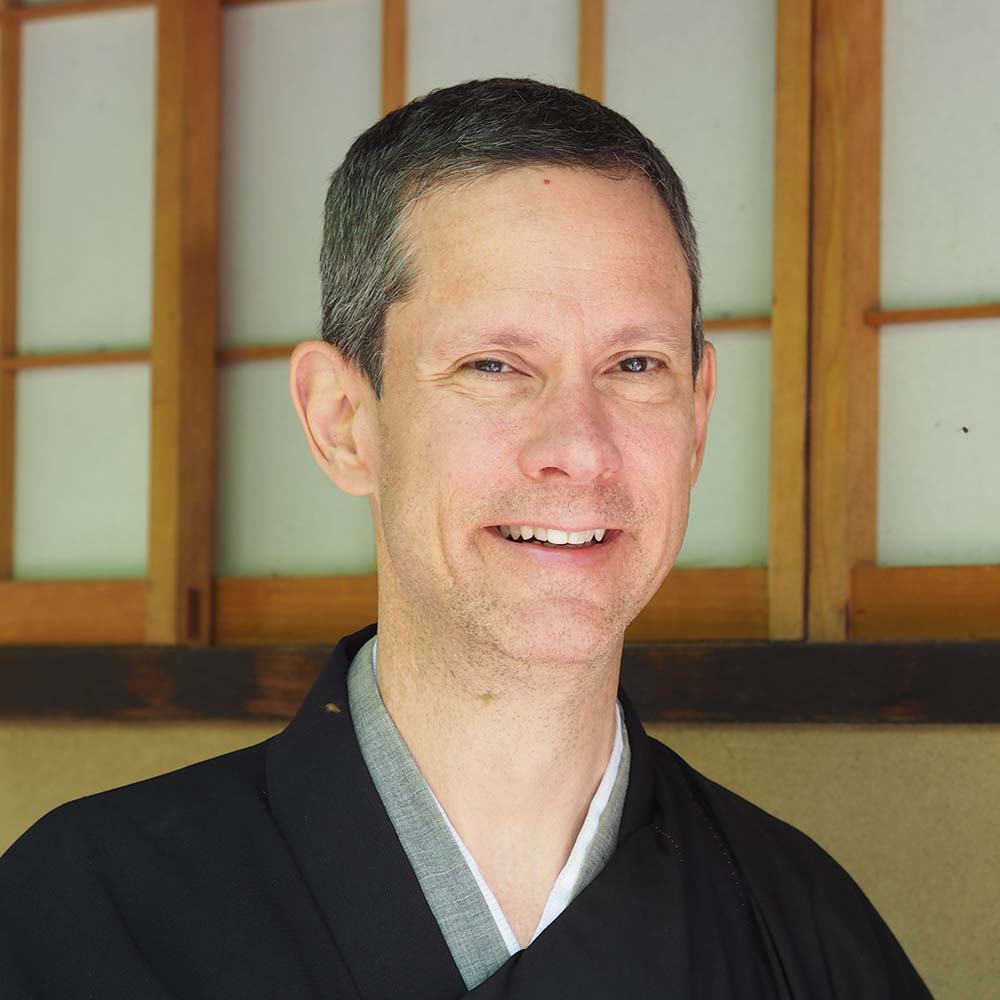
According to Michael McCord, president of the San Francisco Zen Center (SFZC), this convergence of ideas created particularly fertile ground for Suzuki Roshi’s arrival.
“With the arrival of Suzuki Roshi less than a year later, a lot of people were looking for ‘a Zen master,’” McCord explains.
Among those who supported the Zen Center’s early development were prominent figures associated with San Francisco’s counterculture, including Joan Baez, Jefferson Airplane, the Grateful Dead, poet Philip Whalen and actor Peter Coyote.
It was a fascinating intersection of cultures. At a time when San Francisco was becoming synonymous with artistic experimentation and social change, a Japanese Buddhist priest was introducing the discipline of meditation and a philosophy centered on mindfulness, simplicity and the present moment.
What began with a small community of students would eventually develop into one of the most influential Zen Buddhist institutions in the Western world.
A personal connection to the Zen Center
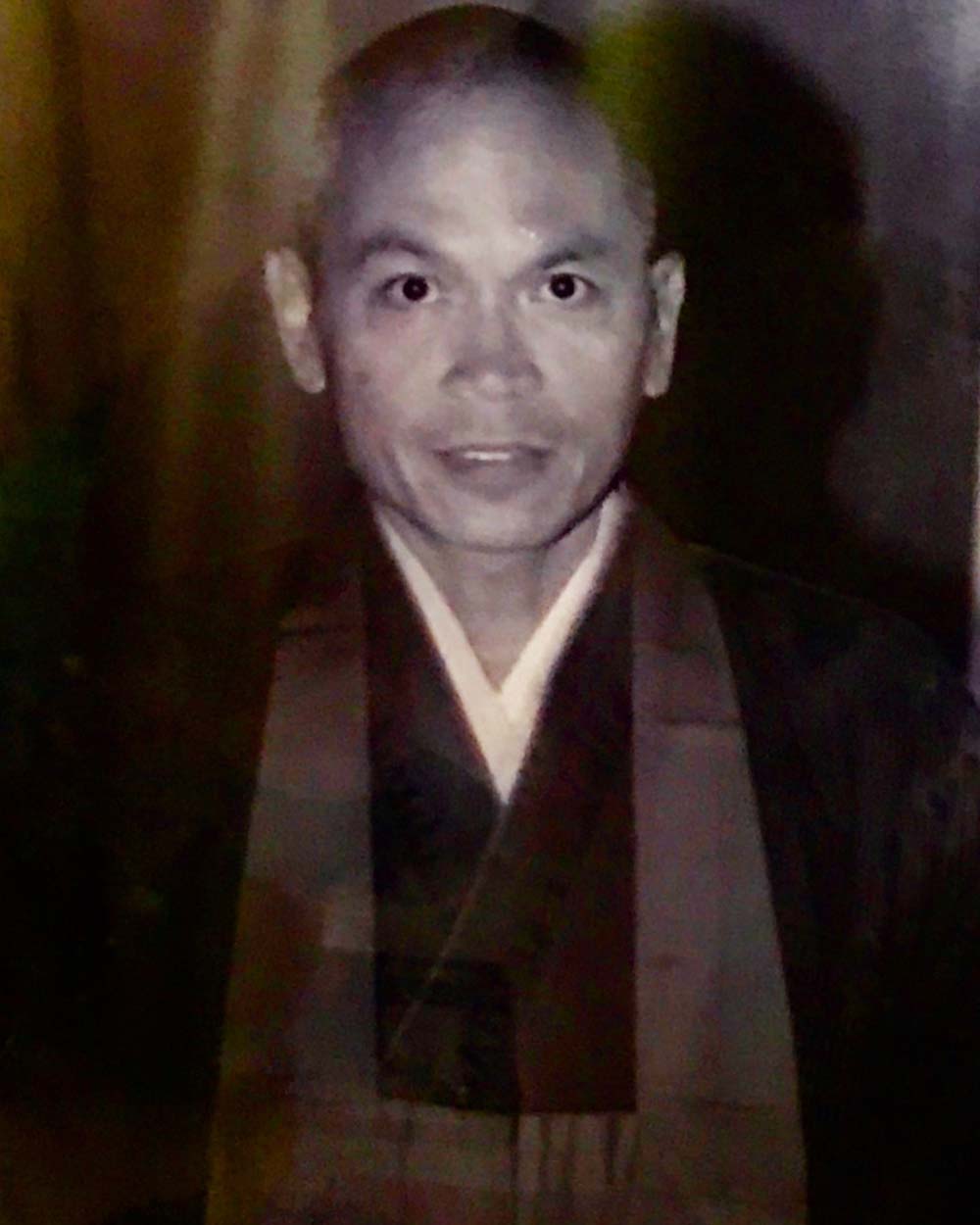
My own familiarity with Zen Buddhism goes back many years.
My uncle, Butch Baluyut, had been practicing Zen Buddhism long before his ordination as a priest at the San Francisco Zen Center in 2003, an occasion I was fortunate enough to attend.
Through him, I became familiar with Zen’s teachings and the importance placed on meditation, mindfulness and being present. I also learned about the Zen Center’s wider community, including Tassajara Zen Mountain Center, where my uncle lived for a period.
Having visited San Francisco regularly since the nineties, I have always been fascinated by the city’s history, cultural diversity and the many ways Japan has influenced its development.
So when I returned recently to explore the connections between Japan and the Golden State for Bridges, the Zen Center immediately came to mind.
Here was a Japanese spiritual tradition that had crossed the Pacific, taken root in one of America’s most culturally dynamic cities and evolved into a community that continues to influence generations of practitioners.
A tradition that crossed the Pacific
What makes the San Francisco Zen Center particularly interesting is how a centuries-old Japanese tradition adapted to a new cultural environment while retaining its essential teachings.
“Within the Japanese culture, there is a respect for that which we don’t know yet and the faith that engaging the broader world in a way that is mindful and intentional so that individuals can one day live into answers that they don’t currently have a capacity for.”
Michael McCord, President of the San Francisco Zen Center
McCord describes Suzuki Roshi’s legacy as one of inclusivity, openness and a willingness to evolve.
“It is one of inclusivity and trying to respect rational thought, but not hold to fixed views, so that individuals can be open and evolve as society and the world evolve and change around them.”
That openness also shaped the institution itself. While Japanese rituals and practices remain central to daily life, certain customs evolved as Zen became established in the West. Men and women began practicing together, governance became more collaborative, and some traditional disciplinary practices were abandoned.
“The basic forms and traditions that Suzuki Roshi, as well as other priests who came to San Francisco Zen Center in the late 60s and early 70s by his invitation, helped us learn (the Japanese forms) still live on today in how we teach newcomers,” McCord says.
“We practice the rituals on a daily basis, learning not just ritual for ritual’s sake, but how these actual forms create a scaffolding for being able to exist in modern life in a way that’s more centered and grounded.”
Today, SFZC encompasses three distinct communities.
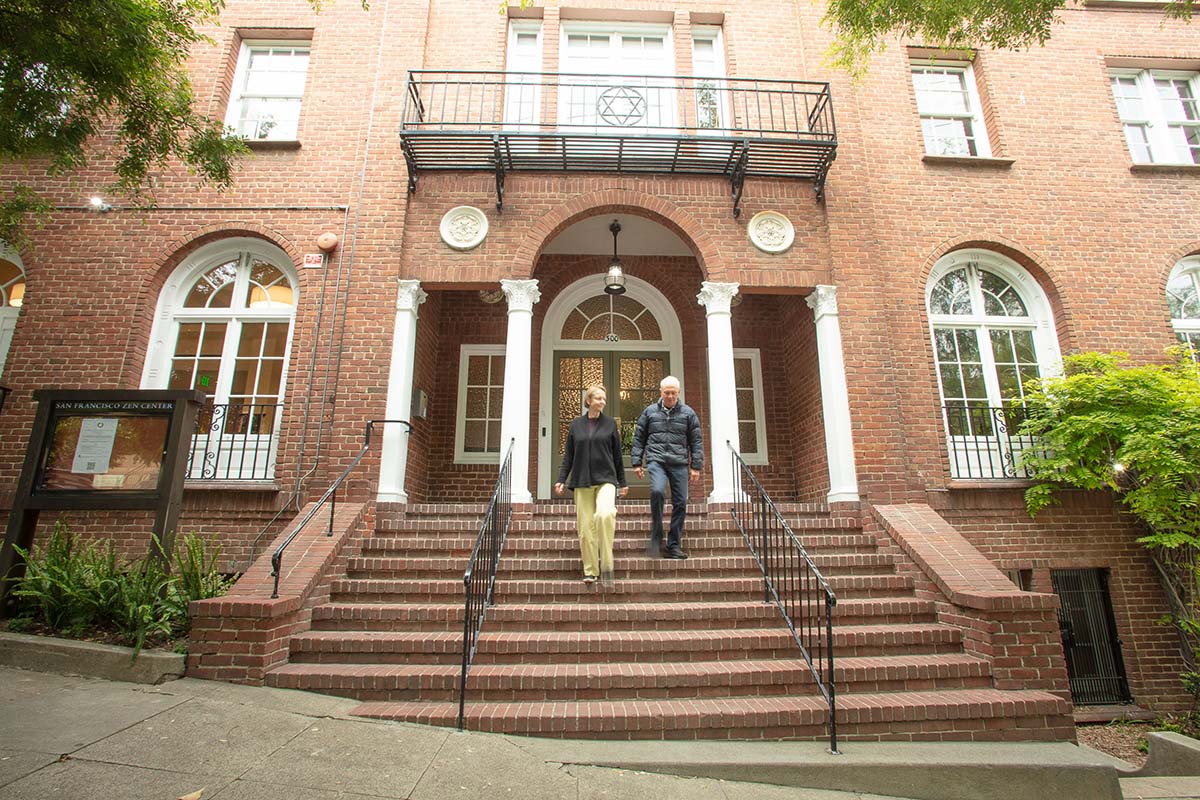
At City Center, located at 300 Page Street in San Francisco, meditation, study and community activities take place within the city itself. Also known as Beginner’s Mind Temple, it offers a place of calm amid urban life.
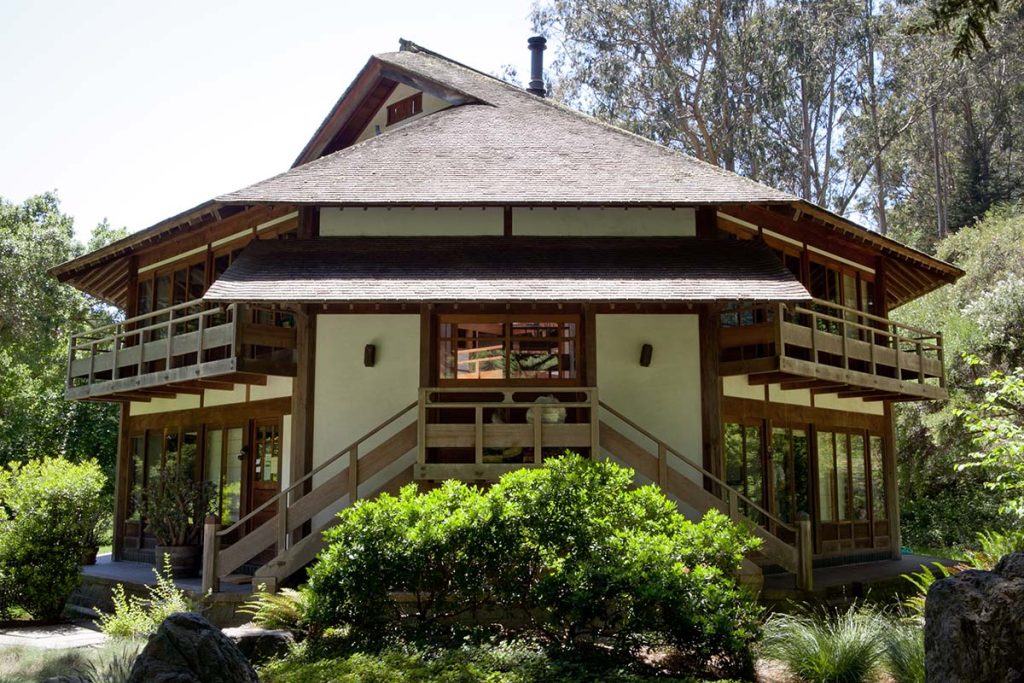
Across the Golden Gate Bridge in Marin County, Green Gulch Farm combines Zen practice with agriculture, environmental stewardship and community life.
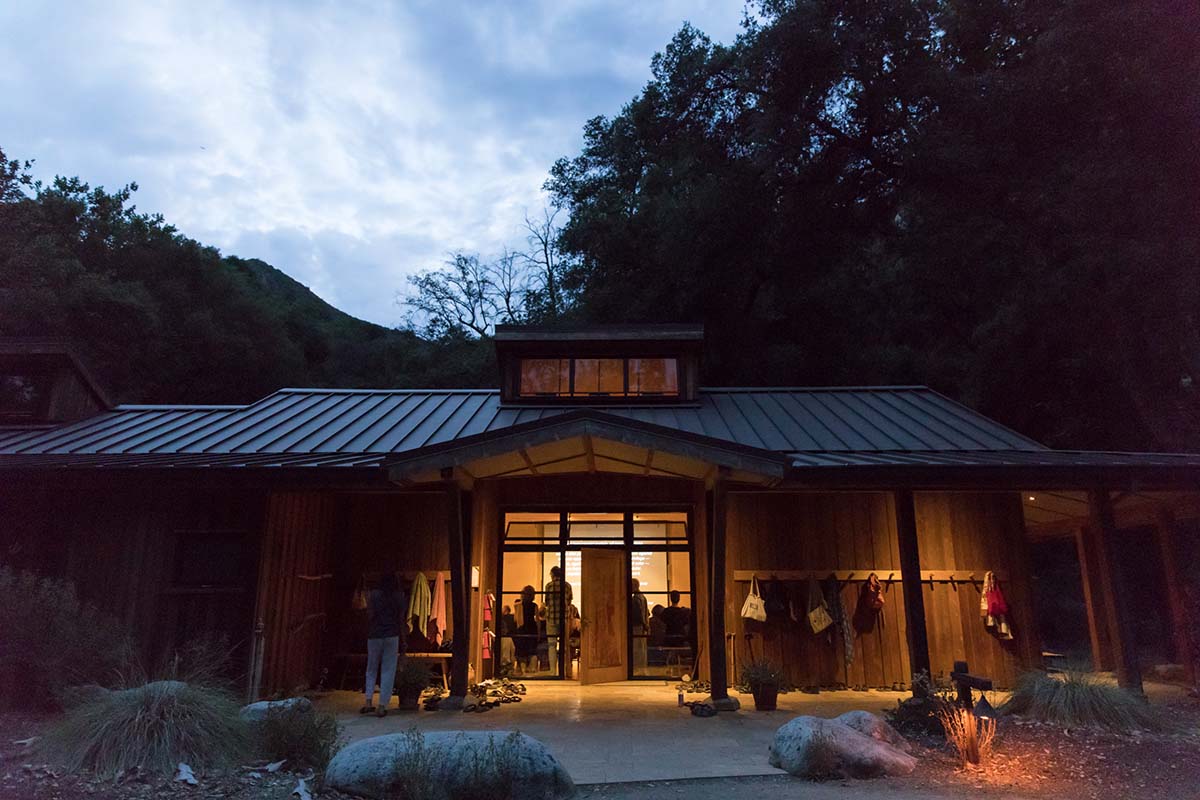
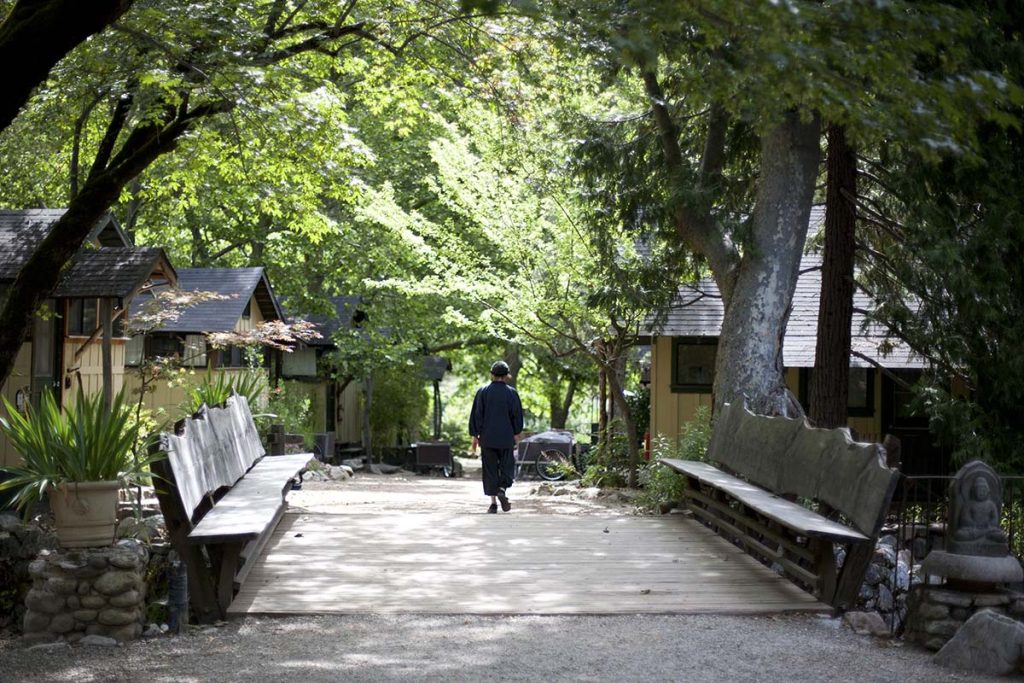
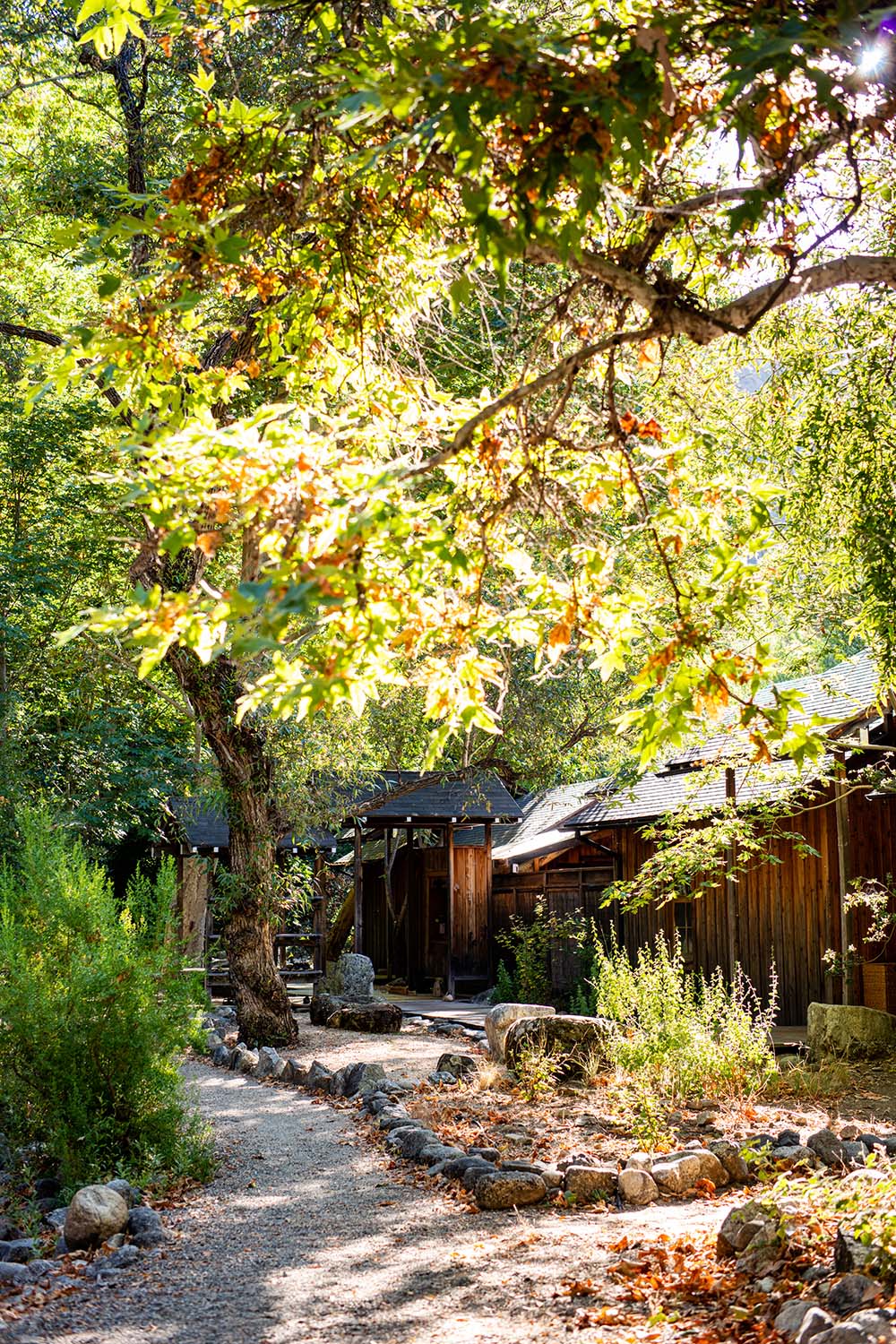
Farther south, in the Ventana Wilderness near Carmel, Tassajara Zen Mountain Center is known as the first Zen training monastery established outside Asia. My uncle lived here for a period as part of his own Zen journey. Unfortunately, I never had the opportunity to visit him during his time there, but Tassajara remains a place I would love to experience someday. Its remote mountain setting provides an environment dedicated to intensive practice and reflection.
Together, these communities illustrate how Suzuki Roshi’s teachings have found expression in urban, agricultural and monastic settings.
Finding meaning in the everyday
Zen’s influence extends beyond meditation halls and religious practice.
McCord points to Japanese traditions such as the tea ceremony, flower arranging, oryoki — a mindful form of eating — and sewing as meditation. Each reflects an approach to everyday activities that emphasizes concentration, simplicity and intention.
He also highlights the importance of accepting uncertainty and allowing understanding to develop through experience.
“Within the Japanese culture, there is a respect for that which we don’t know yet and the faith that engaging the broader world in a way that is mindful and intentional so that individuals can one day live into answers that they don’t currently have a capacity for.”
It is an interesting perspective in a city better known today for technology, artificial intelligence and the relentless pursuit of innovation.
San Francisco has spent decades building industries around finding answers and imagining the future. The Zen Center offers another way of engaging with the world, one that encourages patience, attention and an acceptance that some answers take time to emerge.
A bridge that continues to grow
When I think back to my uncle’s ordination in 2003, I am reminded how a tradition originating in Japan became part of his own spiritual journey in America.
It also illustrates how connections between countries extend well beyond trade, investment and diplomacy. They emerge through individuals, shared experiences and the willingness to learn from one another.
The San Francisco Zen Center represents precisely this kind of connection.
What began with the arrival of one Japanese priest in 1959 has developed into a community spanning generations, bringing together people from different backgrounds through a shared practice.
And in a city that continues to reinvent itself, there is something reassuring about a place whose central teachings encourage people to appreciate the present moment.
More than six decades after Suzuki Roshi first began teaching in San Francisco, that message remains as relevant as ever.