
As San Francisco prepares for the holiday shopping season, its famous retail district is finding fresh momentum, with Japanese brands Nintendo, BAPE and UNIQLO helping shape its next chapter.
There is something special about San Francisco during the Christmas holidays. The decorations around Union Square, Macy’s iconic holiday window displays, the beautifully illuminated storefronts, cable cars passing through Powell Street and crowds carrying shopping bags have long been part of the city’s seasonal charm.
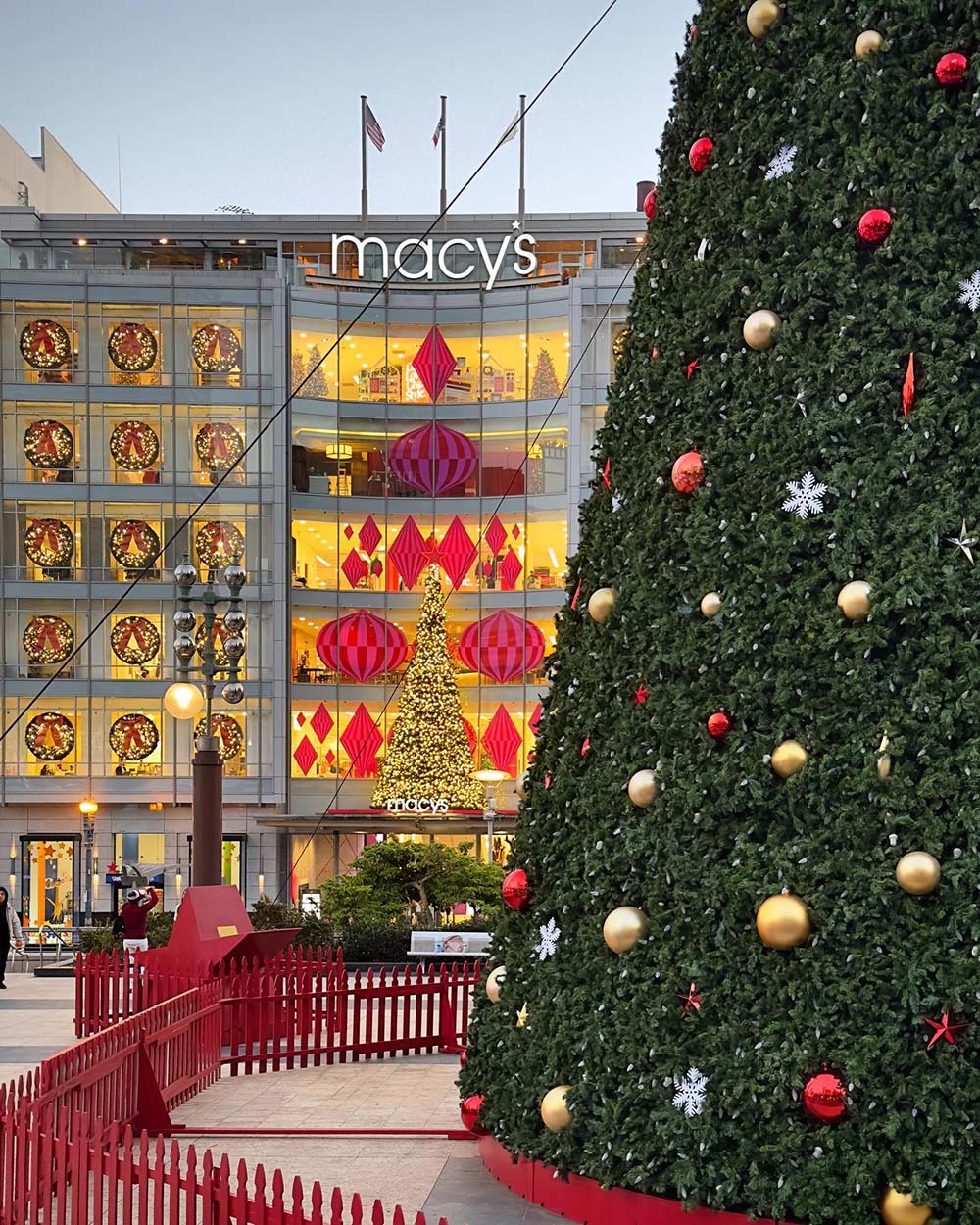
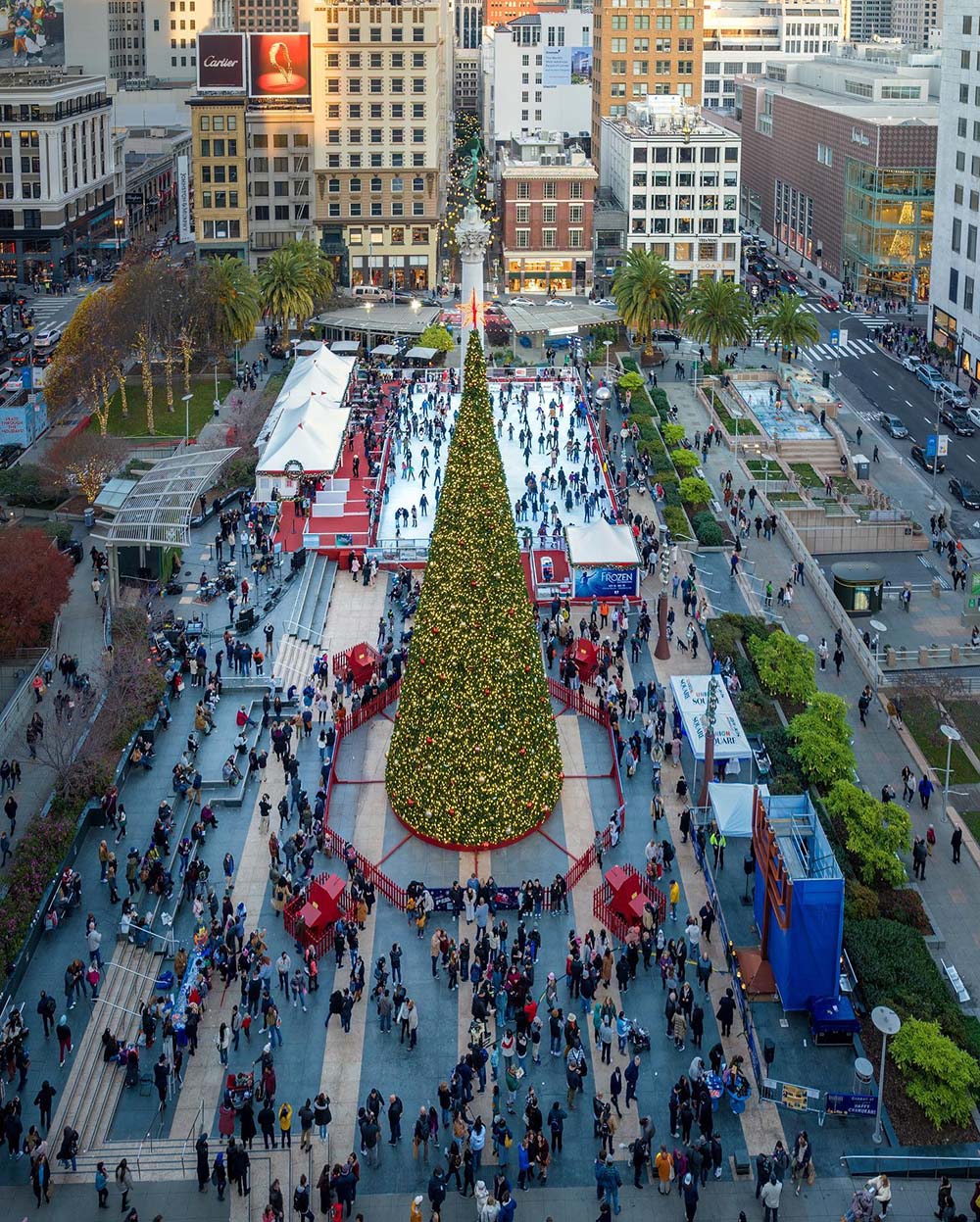
I’ve spent Christmas in San Francisco many times, most recently in 2019, before the pandemic changed so much of the world. Those memories returned as I looked through photographs of Union Square dressed for the holidays, kindly provided by the San Francisco Travel Association for this feature.
With Thanksgiving approaching and Black Friday marking one of America’s most important shopping periods, it seems a fitting moment to revisit a district synonymous with San Francisco retail for generations.
During my September visit, I walked extensively through Union Square and the surrounding retail corridors, including Powell, Stockton, Grant and Market streets. Having frequented these streets since the 1990s, I was curious to see how the landscape had changed.
The differences are unmistakable.
Vacant storefronts remain, including enormous spaces once occupied by department stores and major retail chains. Familiar names have disappeared or relocated, and some buildings seem almost too large for the retail concepts emerging today.
Yet there are encouraging signs. Luxury brands continue to maintain a strong presence, while new retailers are arriving with different ideas about what a physical store should offer.
The old saying, “out with the old, in with the new,” feels particularly appropriate.
And perhaps the most interesting development, from my perspective, is the arrival of three Japanese brands representing distinctly different aspects of contemporary Japan: gaming, streetwear and the simplicity of everyday fashion.
Three Japanese names, three different experiences
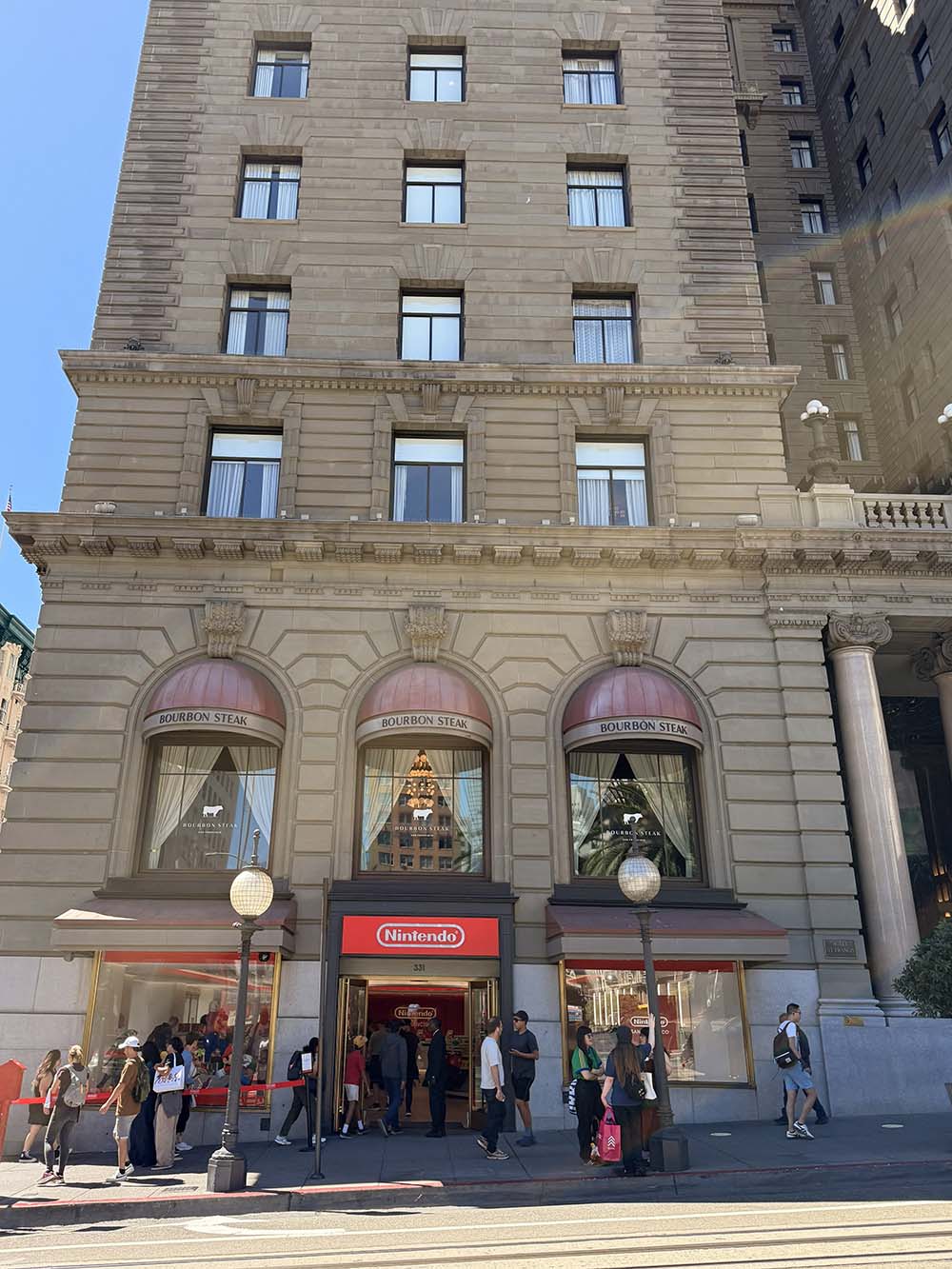
At the historic Westin St. Francis, overlooking Union Square, Nintendo opened its second official American store in May 2025.
The choice of location is significant. The St. Francis has stood on Powell Street since 1904, making it one of the square’s most recognizable landmarks. Now one of Japan’s most beloved entertainment companies occupies retail space within this grand San Francisco institution.
Nintendo San Francisco is a destination in itself, filled with familiar characters from Super Mario, Pokémon and The Legend of Zelda, alongside exclusive merchandise and interactive experiences.
When the store opened, then-Nintendo of America President Doug Bowser explained the city’s appeal to SFGATE.
“It’s an iconic city, and it not only has a large demographic base within the Bay Area but also attracts visitors from around the world,” he said.
Nintendo had considered Seattle and Los Angeles before choosing San Francisco, a decision reflecting the city’s enduring international appeal.
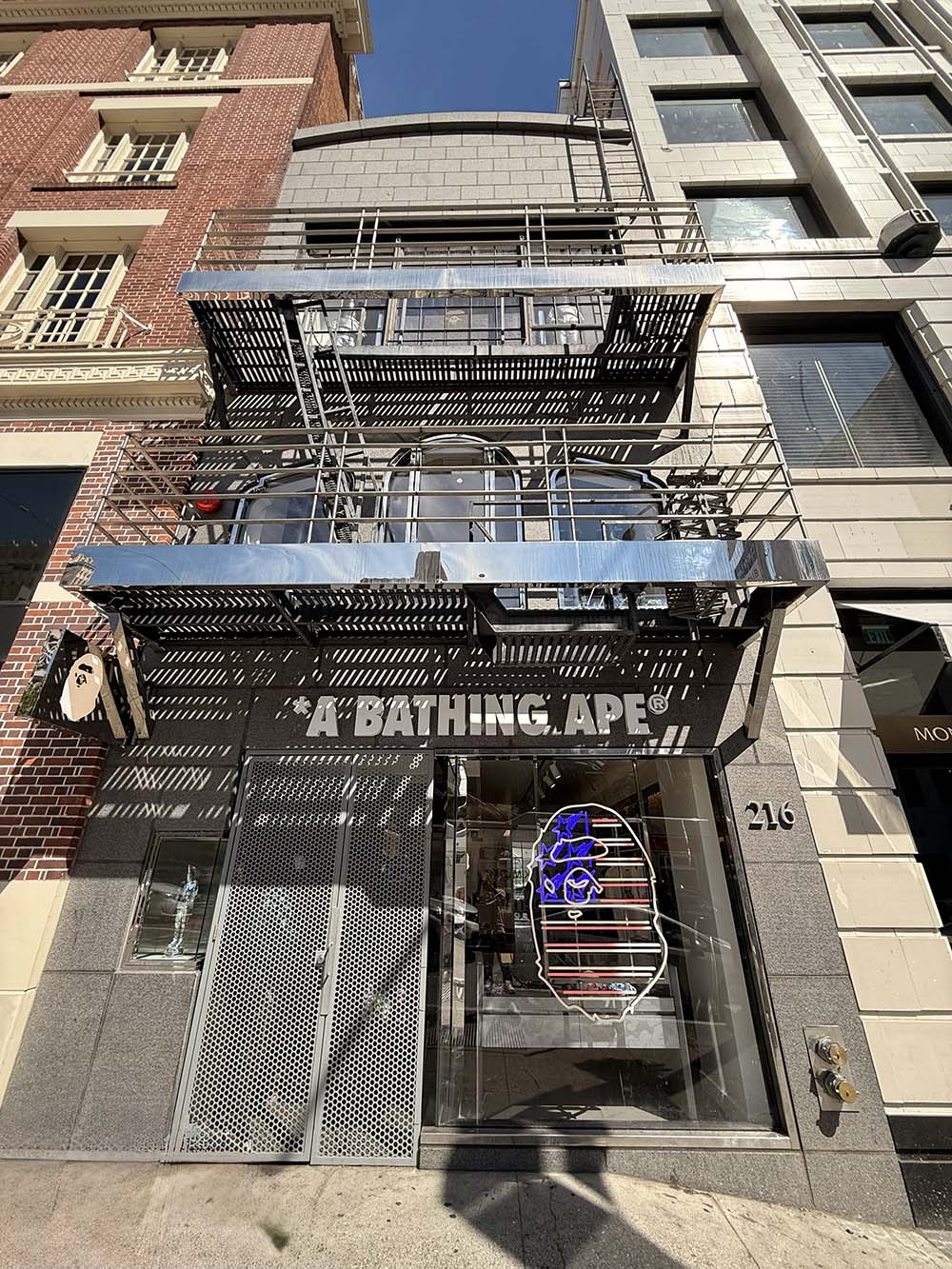
Across Union Square, another Japanese brand is making its presence felt in a very different way.
A Bathing Ape, better known as BAPE, opened its San Francisco flagship at 216 Stockton Street in 2026, occupying a space previously associated with luxury fashion house Dior.
Founded in Tokyo’s Harajuku district in 1993, BAPE helped define Japanese streetwear with its distinctive camouflage patterns, shark hoodies and collaborations with musicians and artists.
The company celebrated its arrival with a block party and a promotional campaign featuring Oakland native and former NFL star Marshawn Lynch, connecting Japanese street culture with the Bay Area’s own identity.
The response was immediate.
“We’ve had a line every day, out the store,” Ant Bankx, an assistant manager at BAPE San Francisco, told KQED. “Even for BAPE, that’s not normal.”
Bankx saw the opening as part of the district’s broader transformation.
“I think BAPE was one of those early pieces to fall into place,” he said.
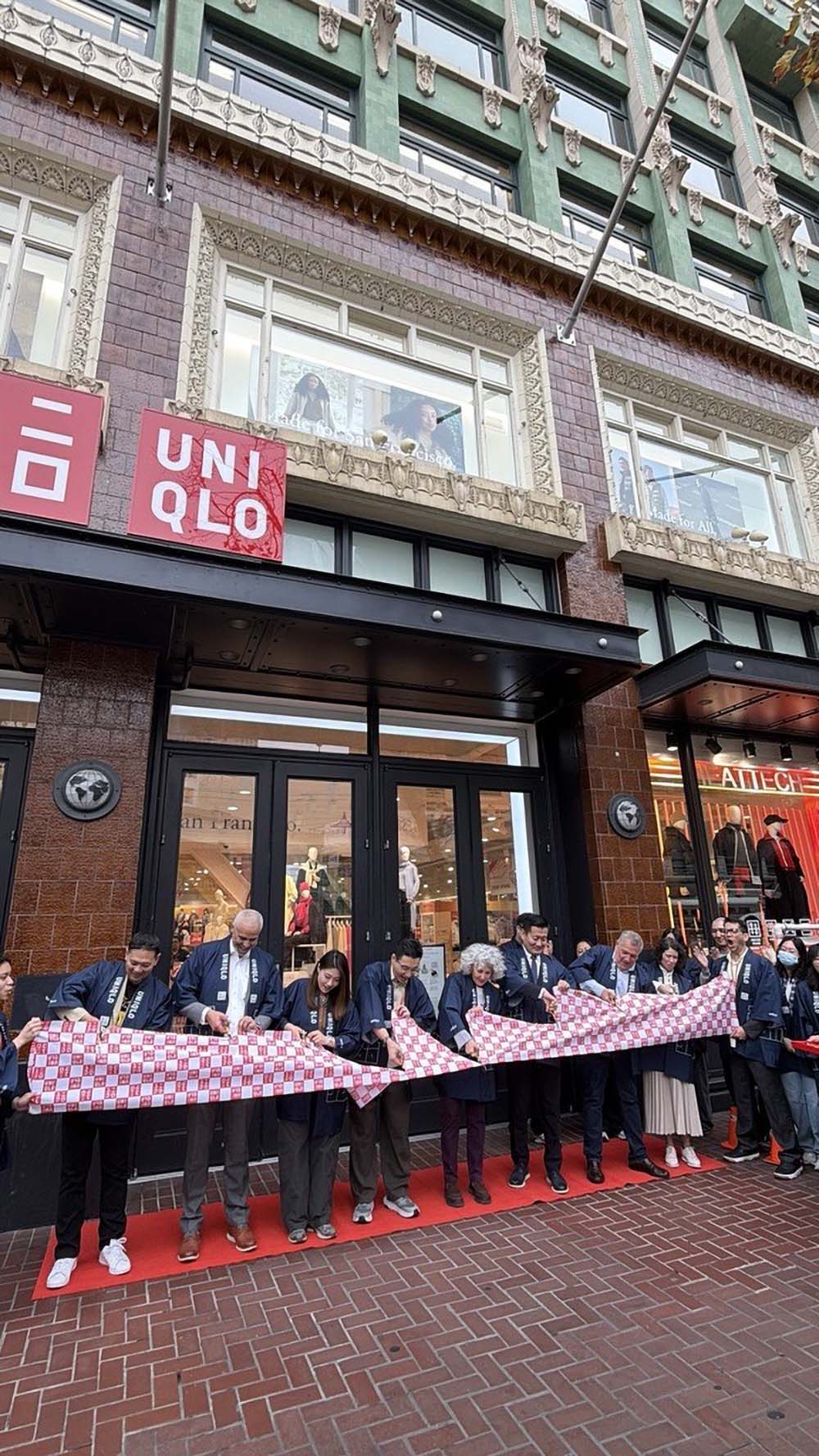
Then there is UNIQLO.
Its return to downtown San Francisco in October 2026 may be the clearest indication yet that major international retailers see renewed potential in the area.
The Japanese clothing giant opened a flagship at 801 Market Street, occupying the former Old Navy location near Fourth Street.
There is interesting symbolism in that transition. Old Navy, founded in San Francisco in 1994, became one of America’s best-known casualwear brands. Its departure left another substantial downtown retail space.
UNIQLO’s arrival gives that address a new identity.
Having closed its previous Powell Street flagship in 2021, the company’s return represents a renewed commitment to downtown.
Fuminori Adachi, CEO of UNIQLO USA, told the San Francisco Chronicle that the company saw “tremendous opportunity ahead” as downtown’s recovery progressed.
UNIQLO’s appeal lies in another recognizable aspect of Japanese design: simplicity, functionality and attention to detail. Its new flagship also incorporates collaborations with local artists and San Francisco’s Muni transit system, giving a global Japanese brand a distinctly local character.
Rethinking the traditional shopping district
These openings raise a larger question: what becomes of the enormous spaces left behind by the department stores and big-box retailers that once dominated downtown shopping?
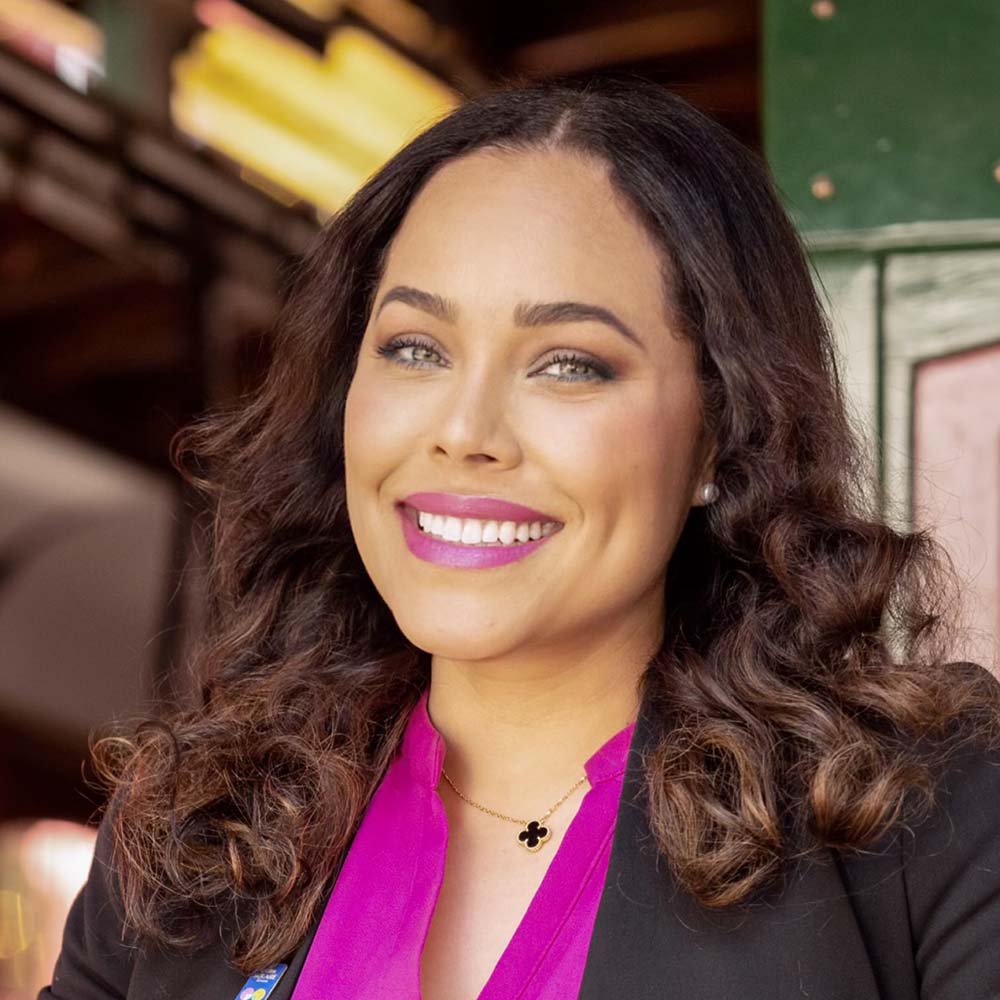
Marisa Rodriguez, CEO of the Union Square Alliance, believes the district is entering a period of fundamental change.
“This is an exciting time—for the first time in Union Square’s history, we have the opportunity to meet the moment during a real change of era,” she says. “People access retail and experiences differently now, and they expect different things.”
The Alliance works with property owners, brokers and prospective tenants to attract investment and remove obstacles delaying store openings. Rodriguez points to broker Kazuko Morgan, who handled the UNIQLO lease, as an example of that collaboration.
The next generation of occupants may look very different.
A 25,000-square-foot space at 300 Grant Avenue is slated for a new wellness concept associated with Midjourney Medical, while Swedish health technology company Neko Health is expected at 100 Stockton Street.
Chinese collectibles company Pop Mart has also opened on Powell Street, while San Francisco-grown McMullen Boutique represents another direction for the district.
“So the next generation will come from both directions: global brands that want a presence in San Francisco, and homegrown businesses ready for a bigger stage,” Rodriguez explains.
Japan’s connection to a changing downtown
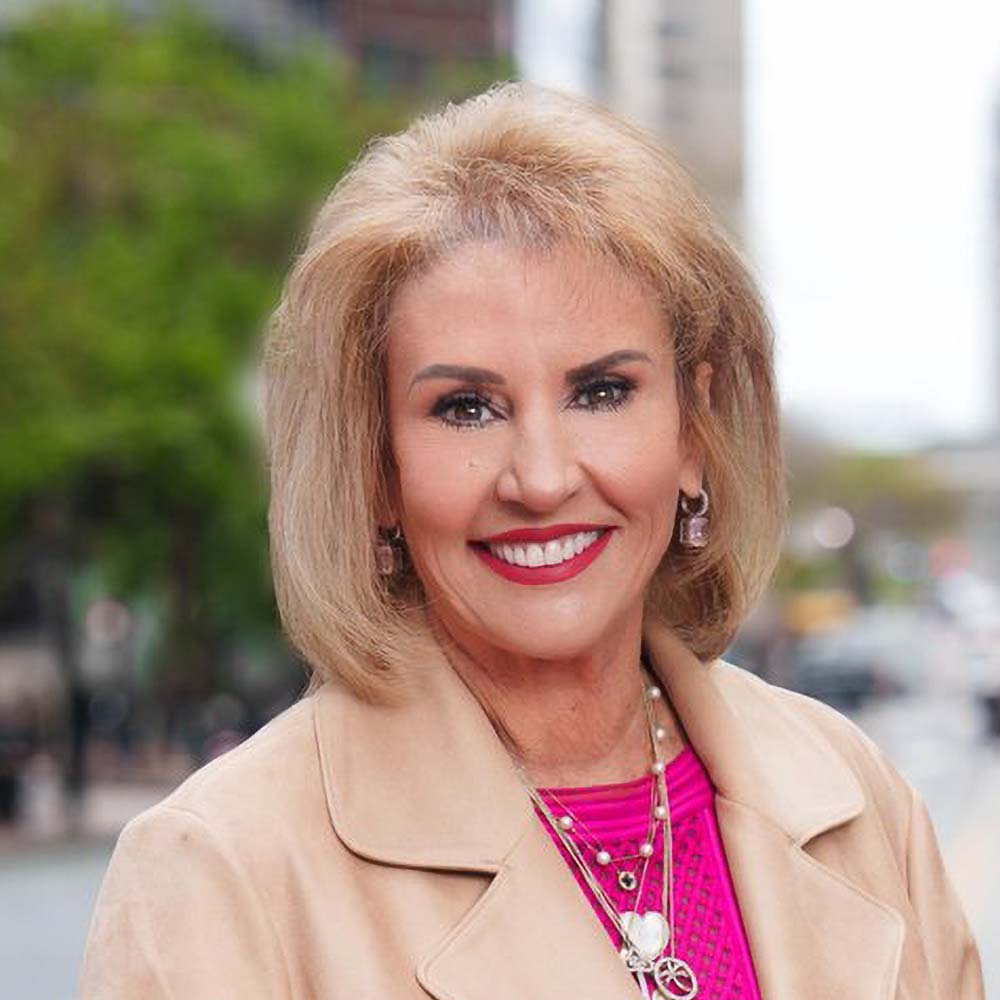
For Anna Marie Presutti, president and CEO of the San Francisco Travel Association, the changing retail mix is helping challenge perceptions of downtown.
“Contrary to what they may have heard, visitors will see that the city’s heart is beating strong,” she says. “Cable cars still roll through, the flagship stores remain, and new names are arriving, including Nintendo, BAPE and UNIQLO, which are attracting crowds.”
She also sees the Japanese retail presence as another expression of the city’s longstanding relationship with Japan.
“For Japanese travelers, there’s something special about seeing familiar brands in a distinctly San Francisco setting,” Presutti says.
Figures provided by San Francisco Travel from San Francisco International Airport reinforce that connection.
Airline seat capacity between Japan and SFO reached 484,980 in 2026, compared with 323,393 in 2019, an increase of 50 percent. While capacity does not directly measure visitor arrivals, it reflects substantially expanded air connectivity between the two markets.
Presutti also points to the Pokémon World Championships and PokémonXP, held in San Francisco in August, as examples of major events bringing international visitors into Union Square.
A familiar holiday destination, a different retail future
As the holiday season approaches, Union Square will once again dress for Christmas, with its decorations, shopping displays and public festivities bringing a familiar atmosphere to the heart of San Francisco.
The retail landscape is certainly different from the one I remember during my last Christmas visit in 2019. Some familiar storefronts are gone, and the empty spaces remind us that the district’s recovery remains a work in progress.
But I came away from my September walk encouraged by what I saw.
Nintendo has brought gaming and entertainment to one of the square’s most historic addresses. BAPE has introduced Japanese street culture to a new audience. UNIQLO has returned to Market Street with a substantial investment in everyday fashion.
Together with established luxury houses, international arrivals and emerging local concepts, they suggest that Union Square’s next chapter may be more varied than its previous one.
For visitors returning to San Francisco this Christmas, there will be plenty that feels familiar, alongside new reasons to explore the streets around Union Square.
San Francisco’s retail story is still being written. This time, Japan has a particularly interesting role in it.