
Celebrating 120 years in its present neighborhood, San Francisco’s Japantown tells a remarkable story of migration, resilience and the Japanese American community that helped shape the city.
San Francisco has always been shaped by people who arrived from elsewhere. The California Gold Rush of 1849 drew fortune seekers from across the world, while its position on the Pacific made it a gateway for immigrants from Asia. Generations of newcomers brought their languages, traditions and ambitions, creating the extraordinary diversity that defines the city today.
For most visitors, Chinatown is the most recognizable expression of this history. Yet a short distance away, another neighborhood tells an equally compelling story of migration across the Pacific.
San Francisco’s Japantown, or Nihonmachi, celebrates its 120th anniversary in 2026, marking the community’s establishment in its present location following the devastating earthquake and fire of 1906.
Today, it is the oldest surviving historic Japantown in the United States, alongside the remaining historic communities in Los Angeles and San Jose.
A Japanese Gateway to America
Japan’s relationship with San Francisco stretches back to the 19th century. In 1860, the Japanese vessel Kanrin Maru arrived carrying an official delegation. A decade later, Japan established a consulate in San Francisco, its first diplomatic office abroad following the Meiji Restoration.
As Japan opened to the world, San Francisco became an important arrival point for Japanese immigrants seeking opportunity in America.
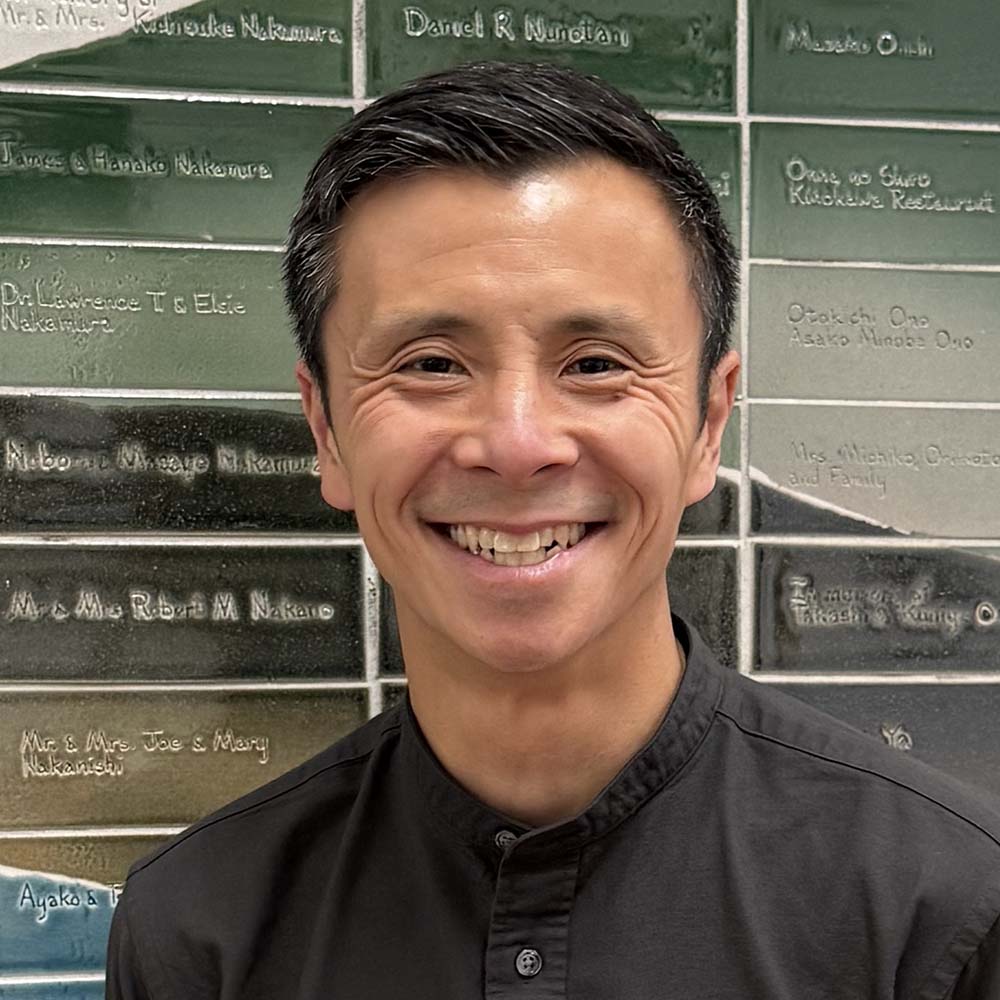
Ryan Kimura of the Japanese Cultural and Community Center of Northern California (JCCCNC) explains:
“The initial Japantown established by early Japanese immigrants was located in South Park, where many newly arrived individuals found an immediate community that could provide them with resources for employment, housing, and basic needs.”
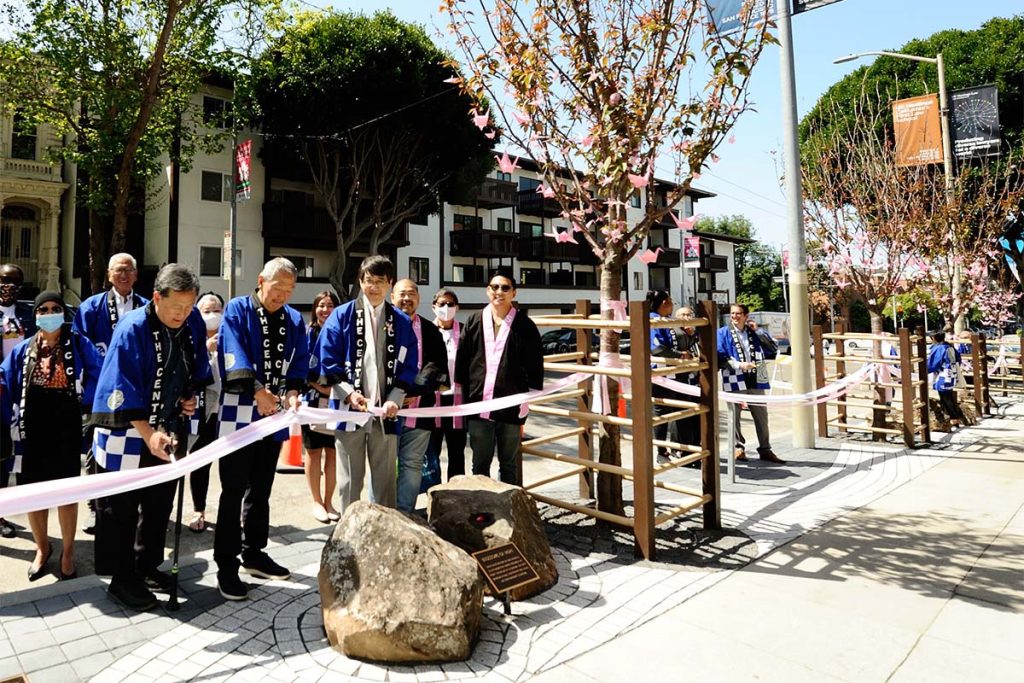
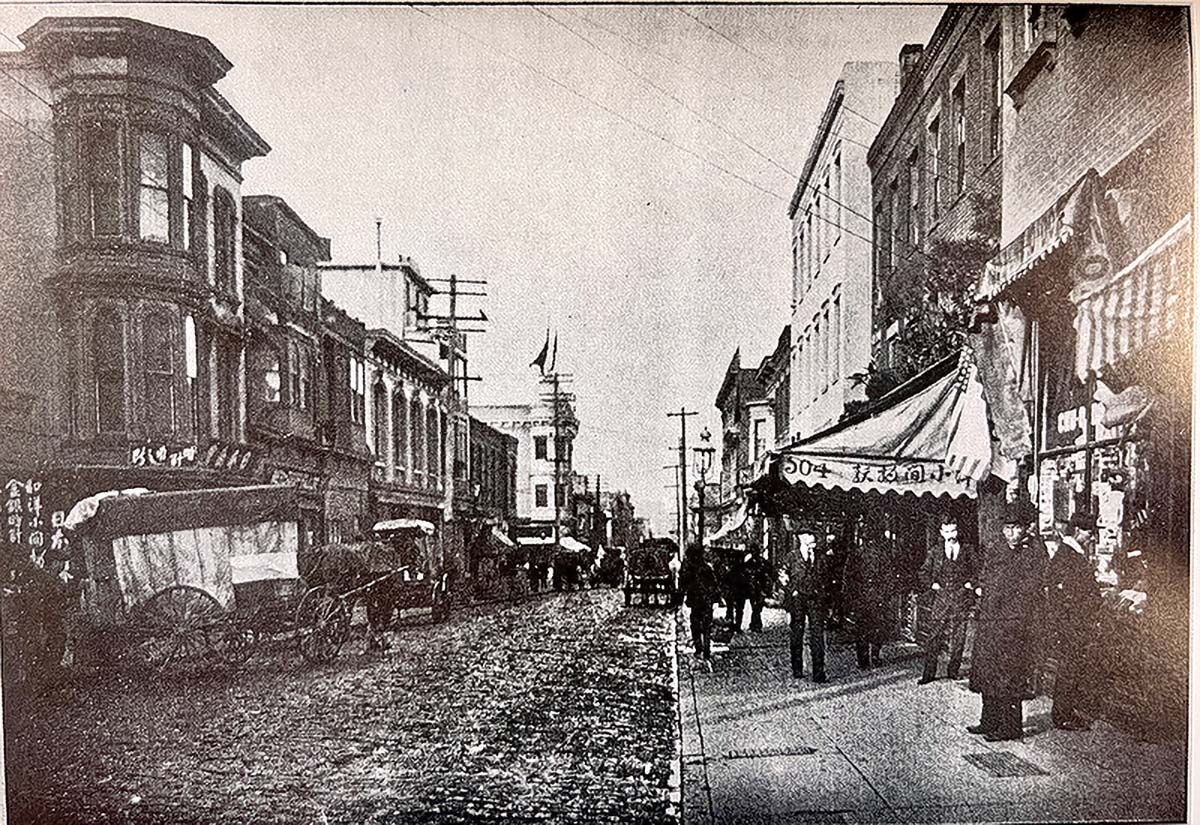
Following the 1906 earthquake, many relocated to the Western Addition, where affordable housing was available and landlords were willing to rent to Japanese residents despite racial restrictions elsewhere.
Over the following decades, Japantown grew into a thriving, self-sustaining community spanning more than 40 blocks.
Japanese-owned businesses, newspapers, religious institutions and prefectural associations helped immigrants establish new lives while maintaining connections to their homeland.
Kimura highlights influential families such as the Abikos, Domotos, Matsuokas and Tsukamotos, alongside Japanese-language newspapers such as Shin Sekai, which provided information on employment, immigration laws and community affairs.
A Community Tested by History
The opportunities offered by America came with considerable hardship.
San Francisco’s modern reputation for diversity contrasts sharply with its history of anti-Japanese discrimination.
“The famous Gentlemen’s Agreement of 1907 was the result of the San Francisco Board of Education ordering students of Japanese ancestry into a segregated school,” Kimura explains.
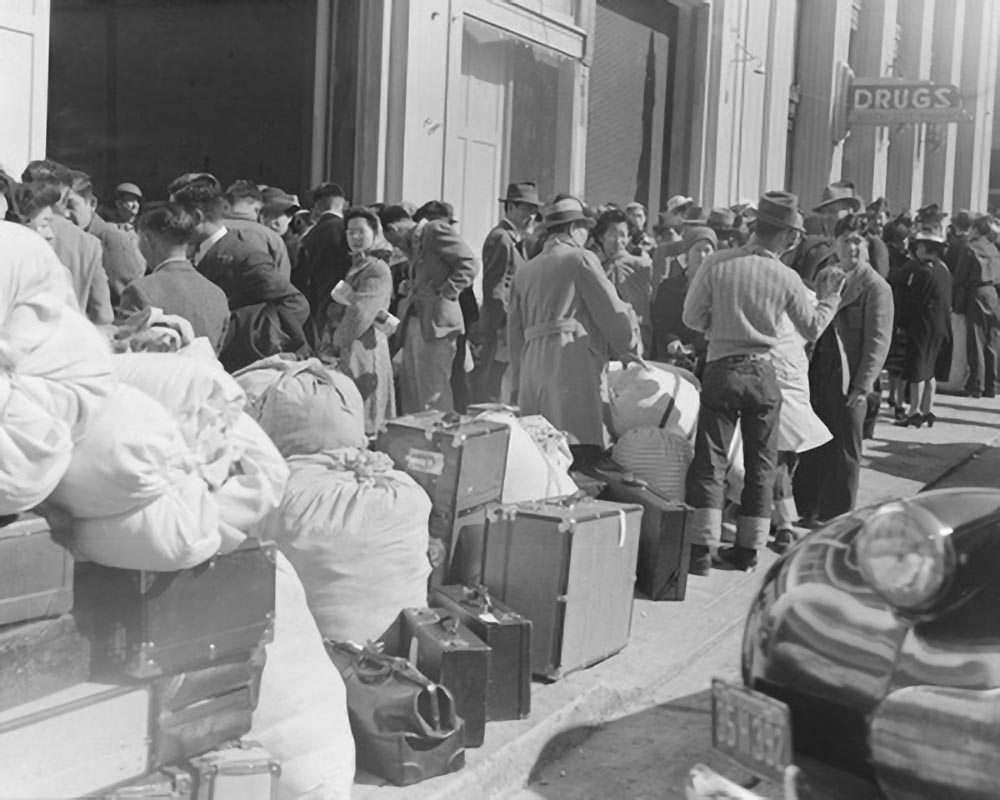
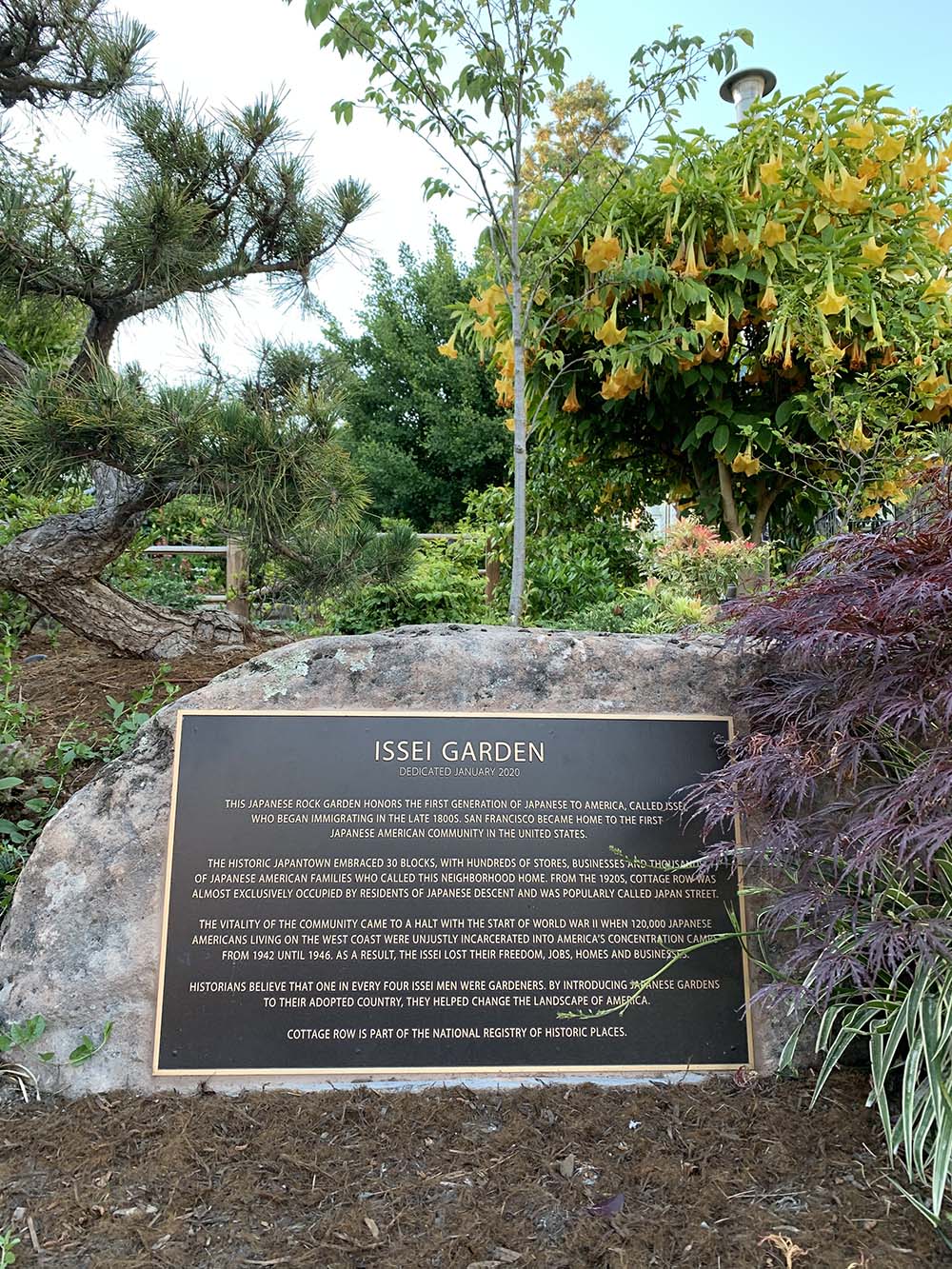
The most devastating chapter came during World War II. Following Executive Order 9066 in February 1942, approximately 120,000 people of Japanese ancestry were forcibly removed from their homes on the West Coast and incarcerated.
Around 5,000 Japanese Americans from San Francisco were uprooted, many passing through the Tanforan detention center before being sent to camps such as Topaz in Utah.
Families lost homes, businesses and livelihoods. The vibrant Japantown that had taken generations to establish was emptied almost overnight.
Urban renewal projects from the 1950s through the 1970s brought further displacement, reducing the once-expansive neighborhood to roughly six blocks.
“Because of the historic, cultural, and political loss endured by the Japanese American community in San Francisco, many community leaders and organizations have fought hard to preserve what remains of their physical and cultural presence in the City,” Kimura explains.
Discovering Japantown Today
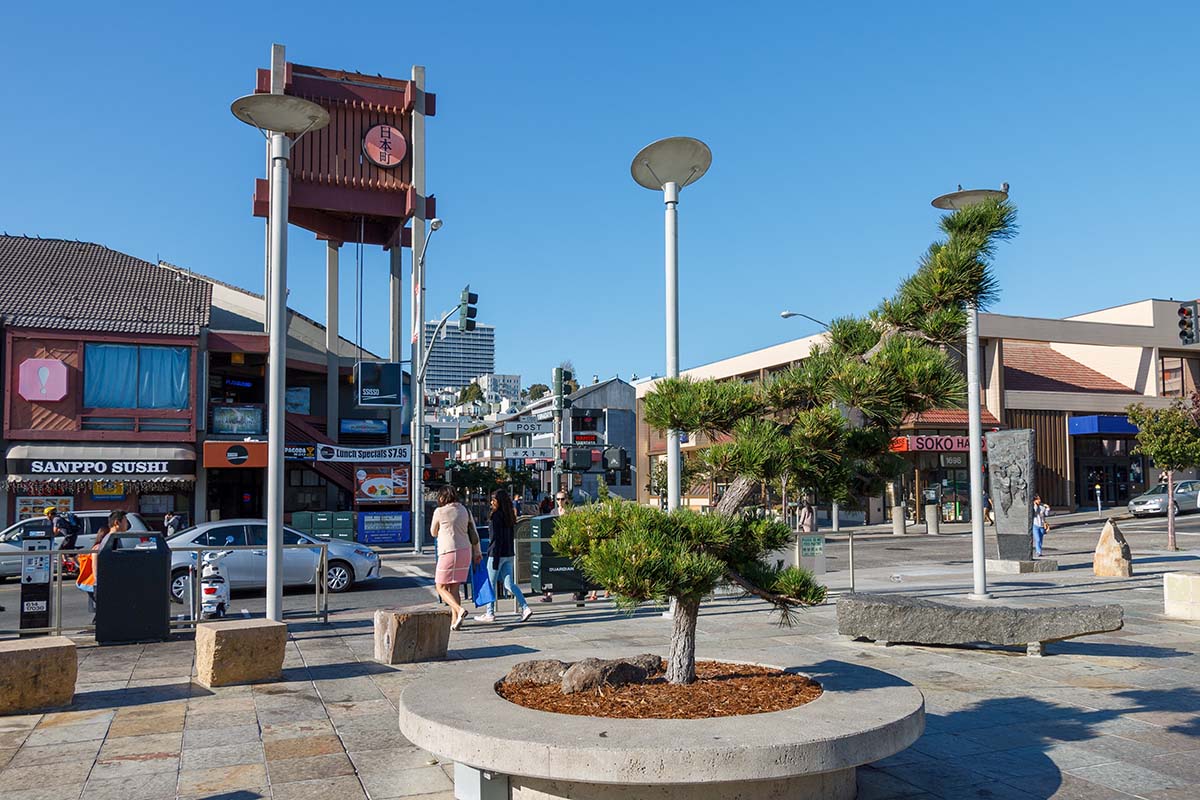
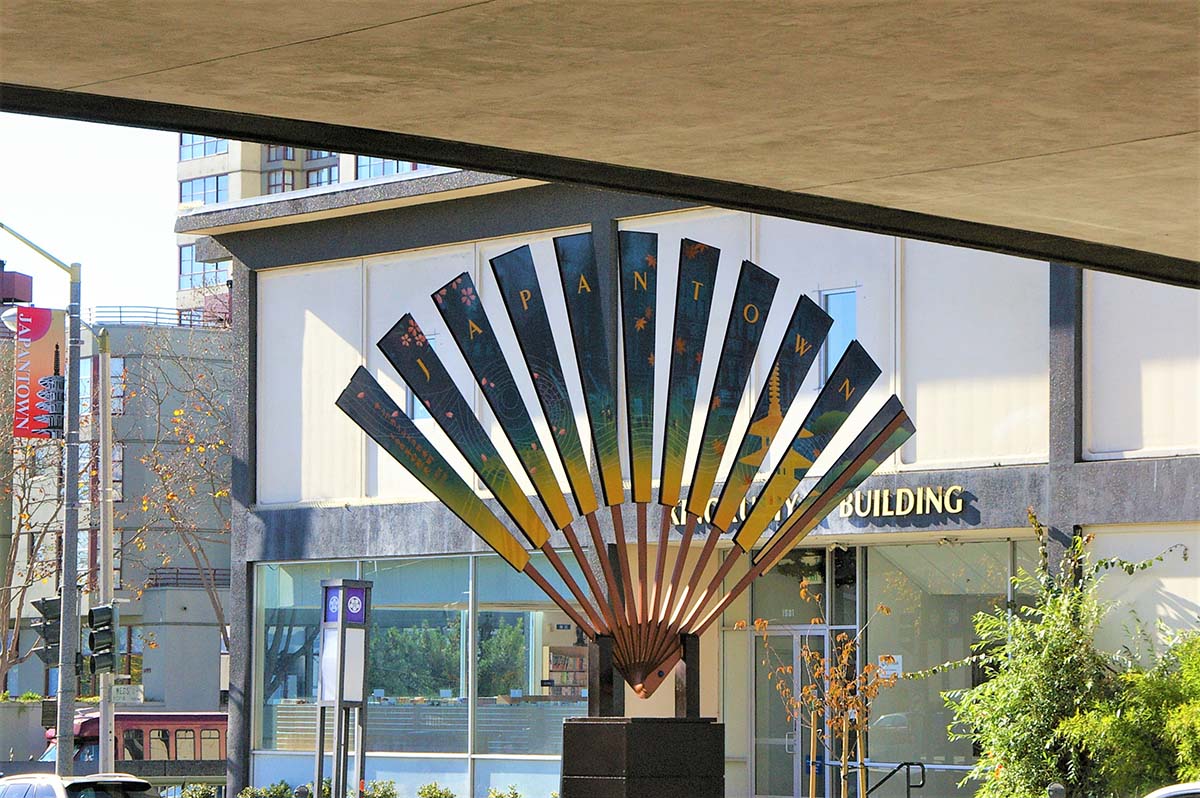
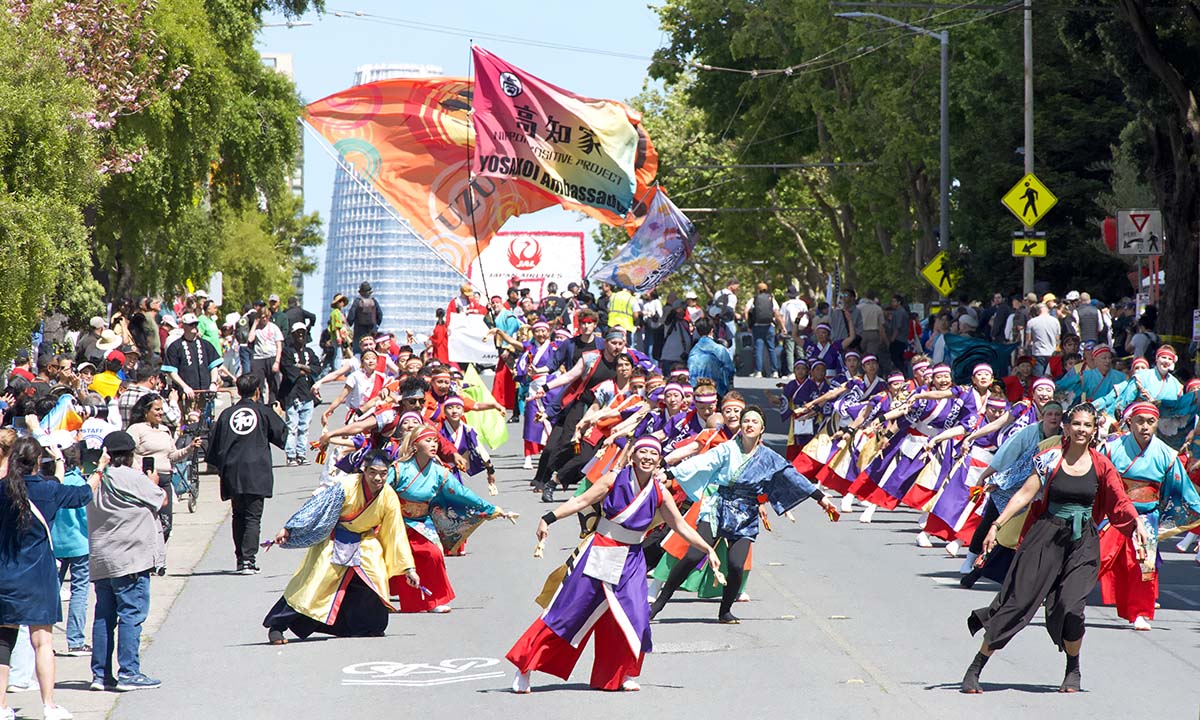
Centered around Post Street, Buchanan Street and the Japan Center malls, Japantown offers visitors a delightful immersion into Japanese culture.
Craving ramen, sushi, shabu-shabu or Japanese sweets? The neighborhood offers restaurants, bakeries, specialty shops, bookstores and contemporary Japanese pop culture. Visitors can browse ceramics, stationery, manga and anime merchandise, or enjoy a Japanese-style bathing experience at Kabuki Springs & Spa.
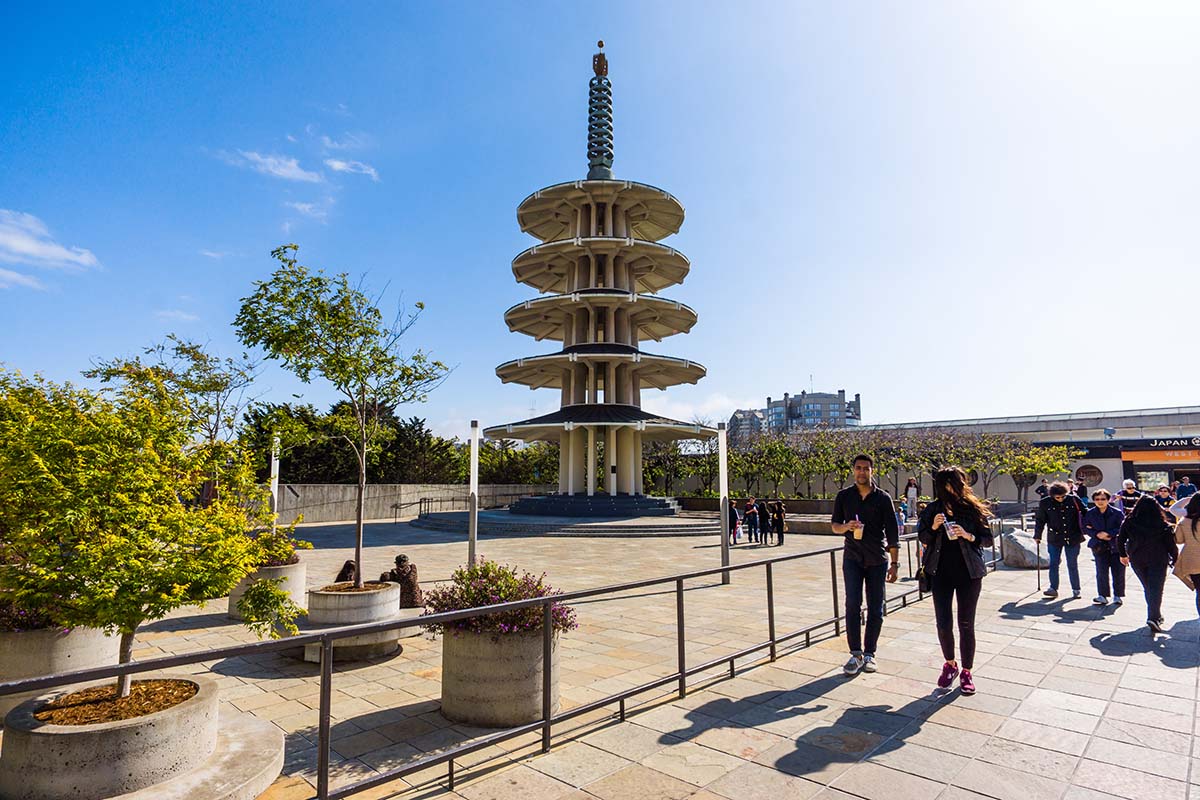
The five-tiered Peace Pagoda stands at the heart of the neighborhood, while the nearby Origami Fountains by Japanese American artist Ruth Asawa add another distinctive cultural landmark.
Annual celebrations such as the Northern California Cherry Blossom Festival and Nihonmachi Street Fair continue to bring the community together.
History Worth Exploring
If you’re a history buff like I am, I highly recommend exploring the Japanese American History Archives (JAHA), which offers wonderfully researched essays, historical photographs, maps and records documenting the lives of San Francisco’s early Japanese immigrants.
Among the fascinating accounts is the history of Yokohama Specie Bank, which played a pioneering role in financing Japanese international trade and supporting the overseas Japanese business community.
One particularly entertaining discovery concerns an elaborate banquet hosted by the bank in June 1929, just months before the Great Depression. The gathering brought together prominent Japanese American business leaders for a lavish ten-course dinner.
According to the archives, guests consumed an astonishing 239 small tokkuri bottles of sake, estimated at nearly four per invited attendee. The surviving seating arrangements, invitations and menus offer a remarkable glimpse into the social life of Japanese Americans nearly a century ago.
The archives are especially valuable for Japanese readers interested in tracing their country’s historical connections with America.
As Japantown celebrates its 120th anniversary, its story honors the Issei and Nisei generations whose perseverance established and sustained the community.
Bridges Across Generations
As Japantown celebrates its 120th anniversary, its story honors the Issei and Nisei generations whose perseverance established and sustained the community.
The neighborhood’s most recognizable landmark, the Peace Pagoda, offers a fitting symbol of that enduring relationship. Designed by Japanese architect Yoshiro Taniguchi and presented by Osaka in 1968, it stands as a symbol of friendship between Japan and San Francisco.
Osaka became San Francisco’s first sister city in 1957, beginning a relationship that lasted more than six decades. Although the municipal partnership formally ended in 2018 following a disagreement over San Francisco’s comfort women memorial, the cultural and historical connections between the two cities remain part of their shared heritage.
The Peace Pagoda continues to stand as a reminder of the goodwill that brought the cities together and the importance of maintaining dialogue and understanding across cultures.
For visitors, a stroll through Japantown offers good food, cultural discoveries and an appreciation of the generations who crossed the Pacific, endured adversity and contributed to San Francisco’s multicultural heritage.
Their legacy continues through the community they built and the connections between Japan and America that endure today. In a world where differences can divide, the bridges built between people remain as meaningful as ever.