
Thirteen years after my first stay, I returned to a familiar Japanese address in the heart of a city that never stops evolving.
San Francisco has been something of a second home for me for decades. I have family here, my sister lived on Steiner Street near Union Street in Cow Hollow in the early 2000s, and over countless visits I have come to know the city extremely well.
That familiarity was part of the reason I wanted to spend a few days looking at San Francisco again for this series — at what has changed, what has endured and where the city seems to be heading next.
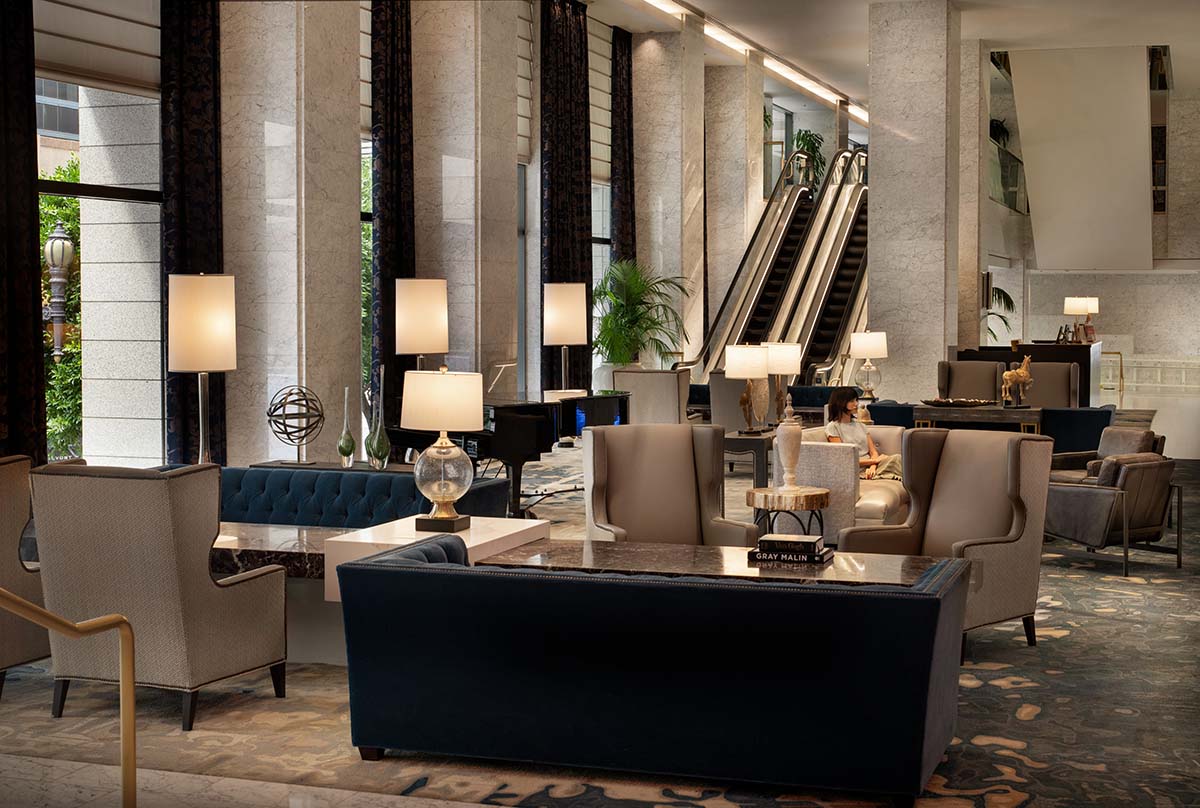
For four nights, Hotel Nikko San Francisco was my base.
It was also my second stay at the hotel. My first was in 2013, when Union Square looked very different. Many of the big retail names that defined the neighborhood then are gone, others have moved, and San Francisco itself has been through an extraordinary period of change.
I have been back to the city many times since, so I have watched that transformation happen gradually. Staying at the Nikko again 13 years later provided an interesting bookend. The hotel remains in the same strategic position just off Union Square while the neighborhood around it enters another cycle of reinvention.
The location works particularly well for the way I experience San Francisco. I have my usual must-go suspects, accumulated over years of visits, and the Nikko puts me right in the middle of them.
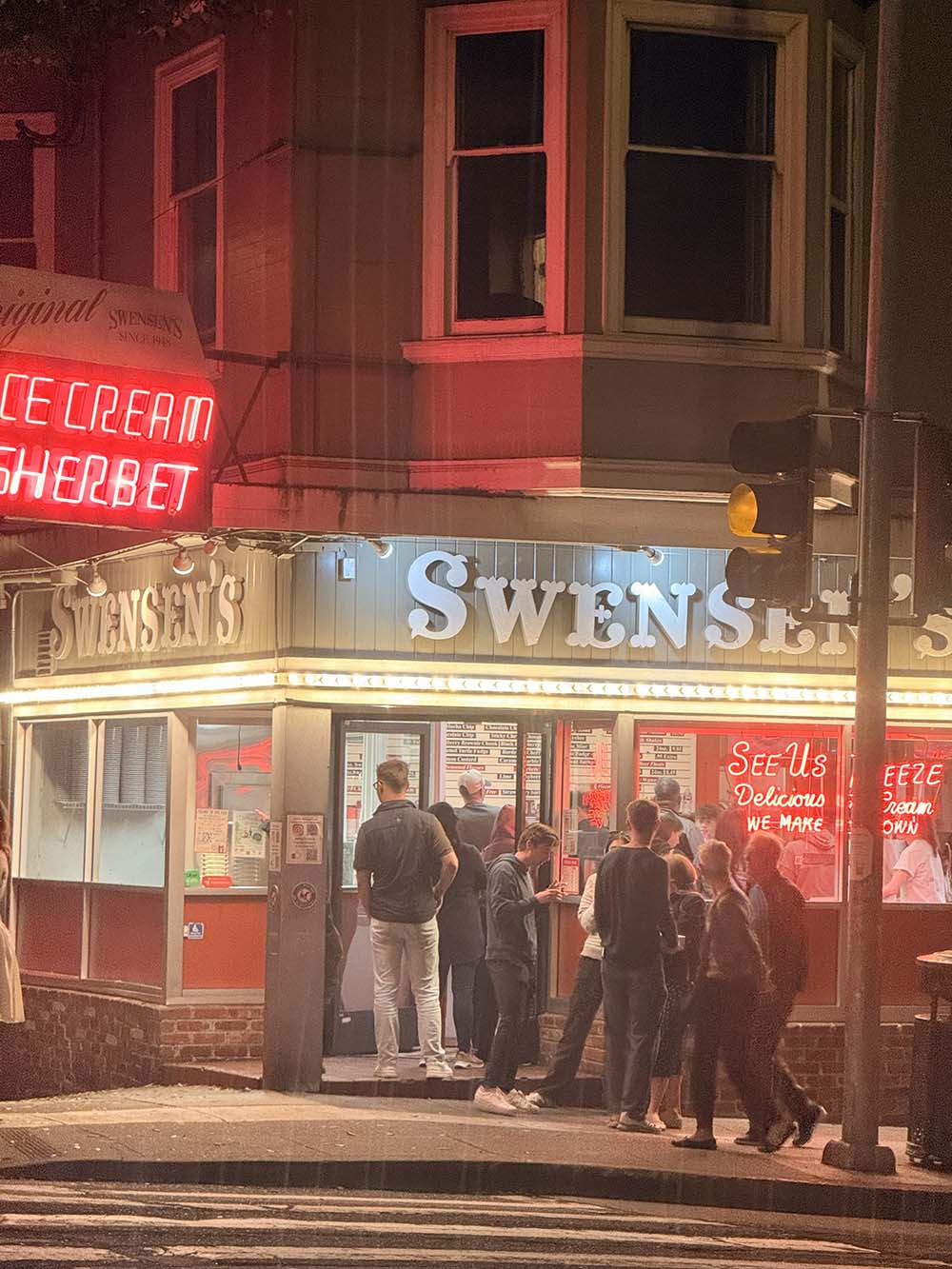
There is Swensen’s on Hyde Street, making ice cream at its original location since 1948. It used to be just a block from where my uncle lived, so that corner has always been familiar territory. Ghirardelli Square usually means another sundae. Yes, I love ice cream.
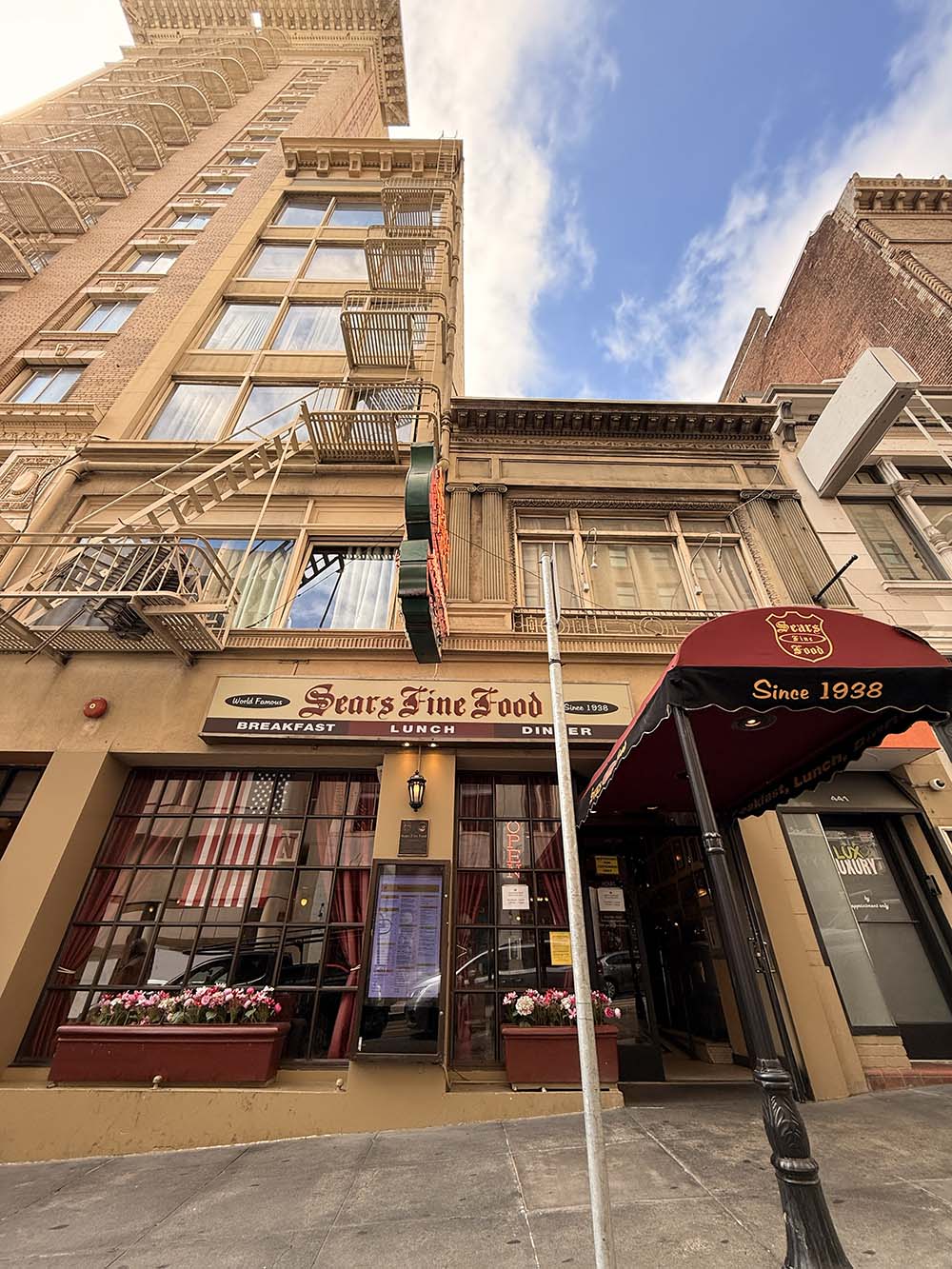
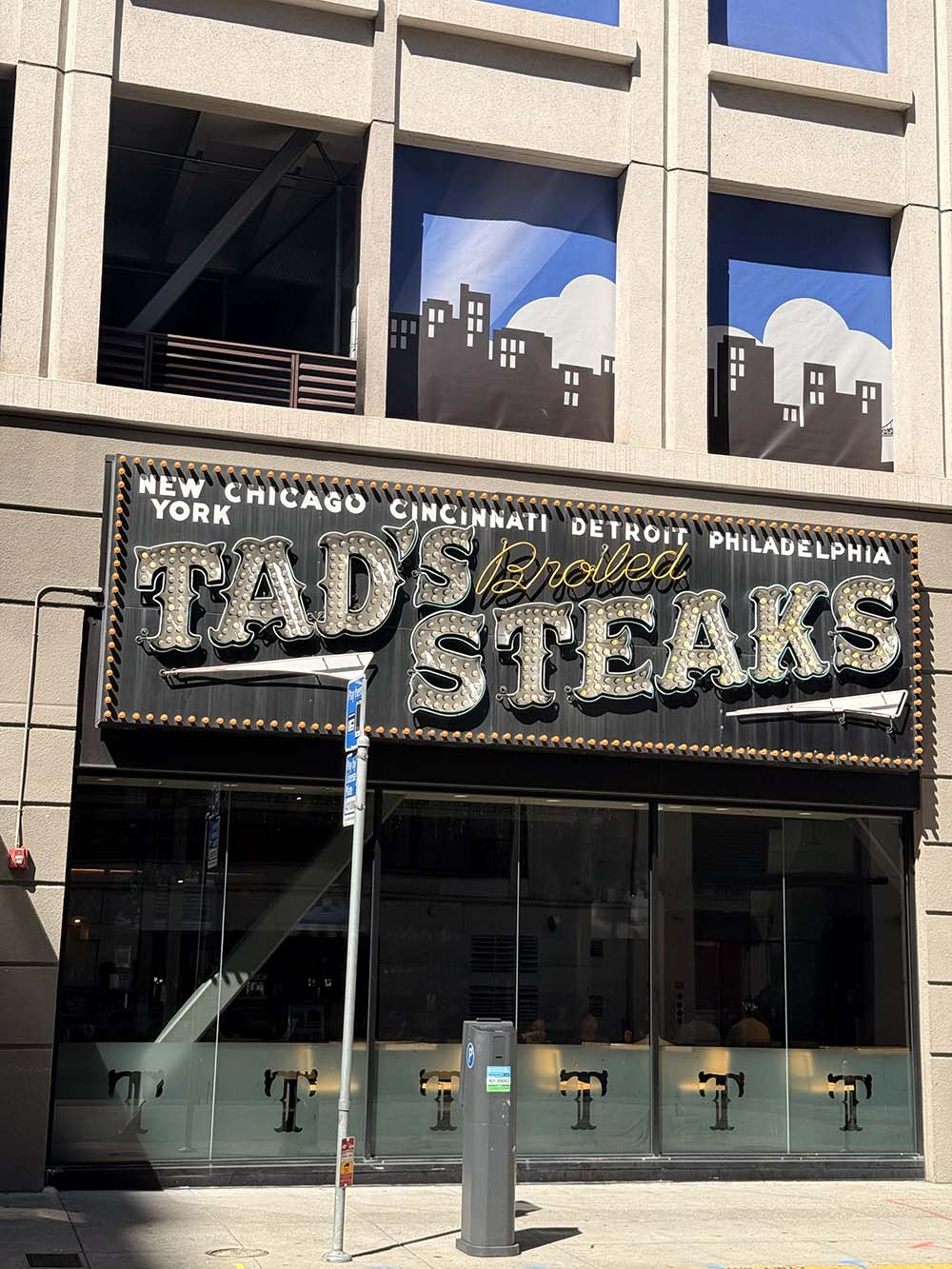
Then there are other San Francisco institutions I keep going back to: House of Prime Rib, serving the city since 1949; Swan Oyster Depot on Polk Street, with roots going back to 1903; Sears Fine Food on Powell, around since 1938 and still serving its famous 18 little Swedish pancakes; and Tad’s Steakhouse, a downtown fixture since 1955, when I want a quick steak fix.
And I still like Fisherman’s Wharf.
Some are tourist favorites, others local institutions, but collectively they are part of my San Francisco. More importantly, they have withstood the test of time in a city constantly changing around them.
From the Nikko, getting around is easy. Chinatown, Nob Hill, North Beach, the Financial District and the Embarcadero are close, with cable cars running nearby. San Francisco is best explored through its neighborhoods, and the Nikko makes a solid headquarters.
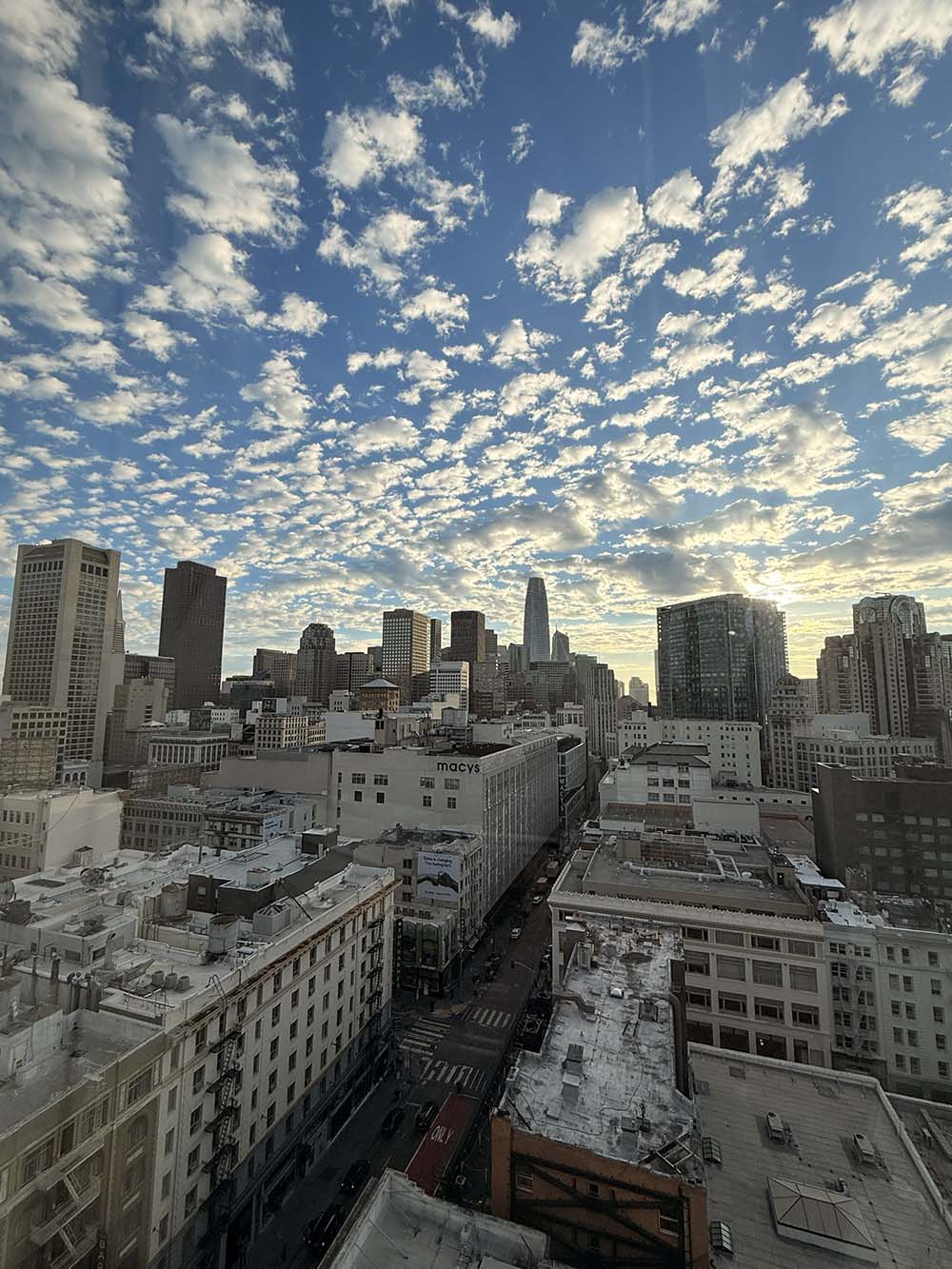
My room looked out across the city. Even after all these years and visits, San Francisco can still stop me with a view. The hills, tightly packed buildings, architecture and flashes of water give it a beauty that few places in America can match.
Back inside, Nikko has an identity of its own.
Its Japanese heritage is present without being overplayed. You notice it in the attention to detail, the service, the rooms and corridors, and especially at breakfast.
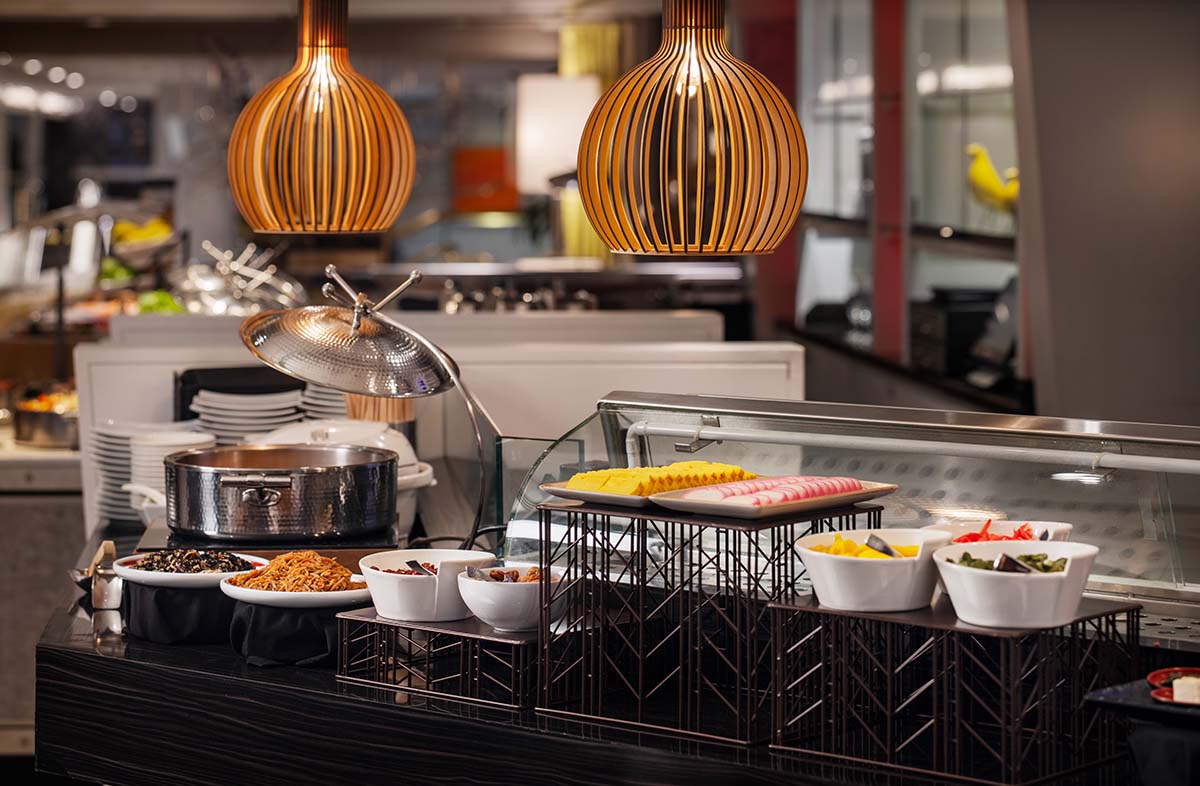
Breakfast at Anzu became part of my morning routine. Alongside the expected American offerings are grilled fish, miso soup, rice, pickled vegetables and natto. It is the kind of detail that makes Japanese guests feel at home while giving everyone else something beyond the standard international hotel buffet.
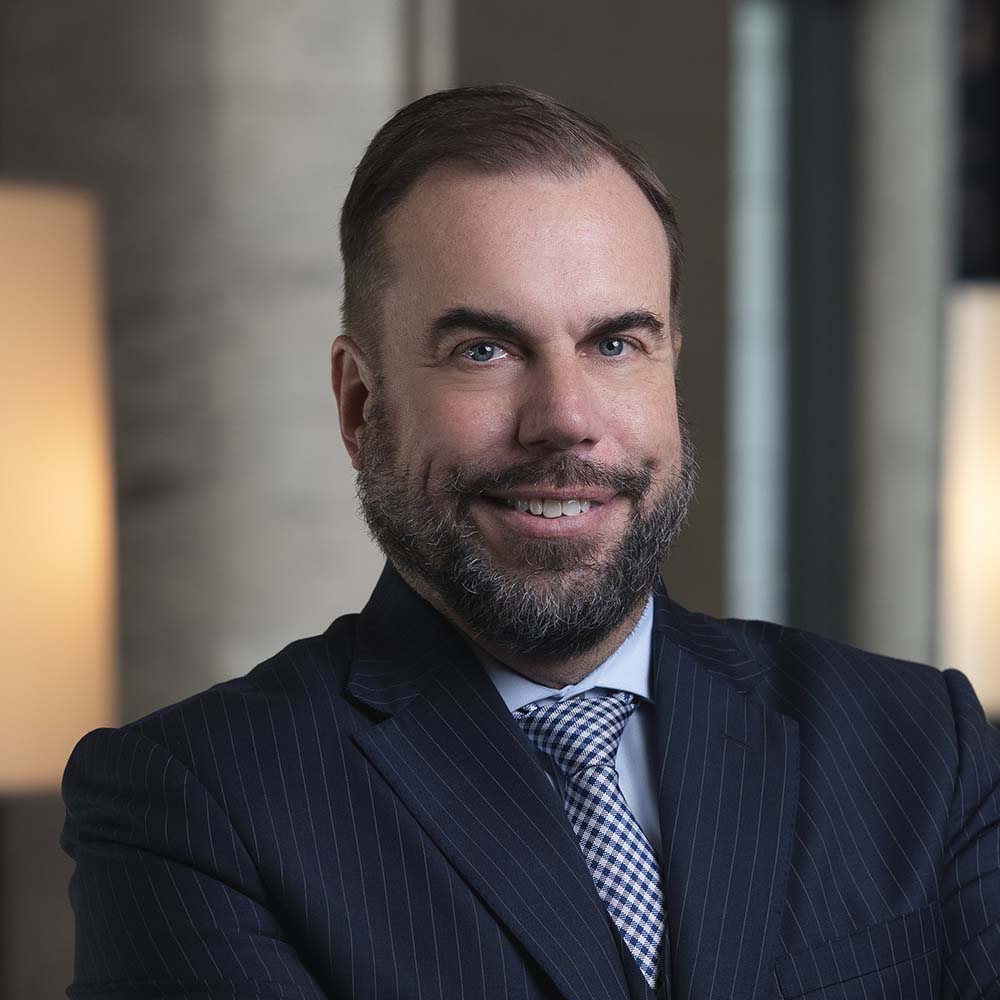
That connection remains important. General Manager Casey Neuburger estimates that around 10% of Hotel Nikko’s guests come from Japan, considerably more than competing properties. Today, he says, they are predominantly business travelers, with the weaker yen making leisure travel to the United States more expensive.
“In Japan Nikko is trusted for its service and food and beverage offerings,” Neuburger says. “Here at Hotel Nikko San Francisco we aim to provide service and an experience in line with what our Japanese travelers have come to expect.”
Nearly four decades after opening, the hotel is also evolving with the way people travel.
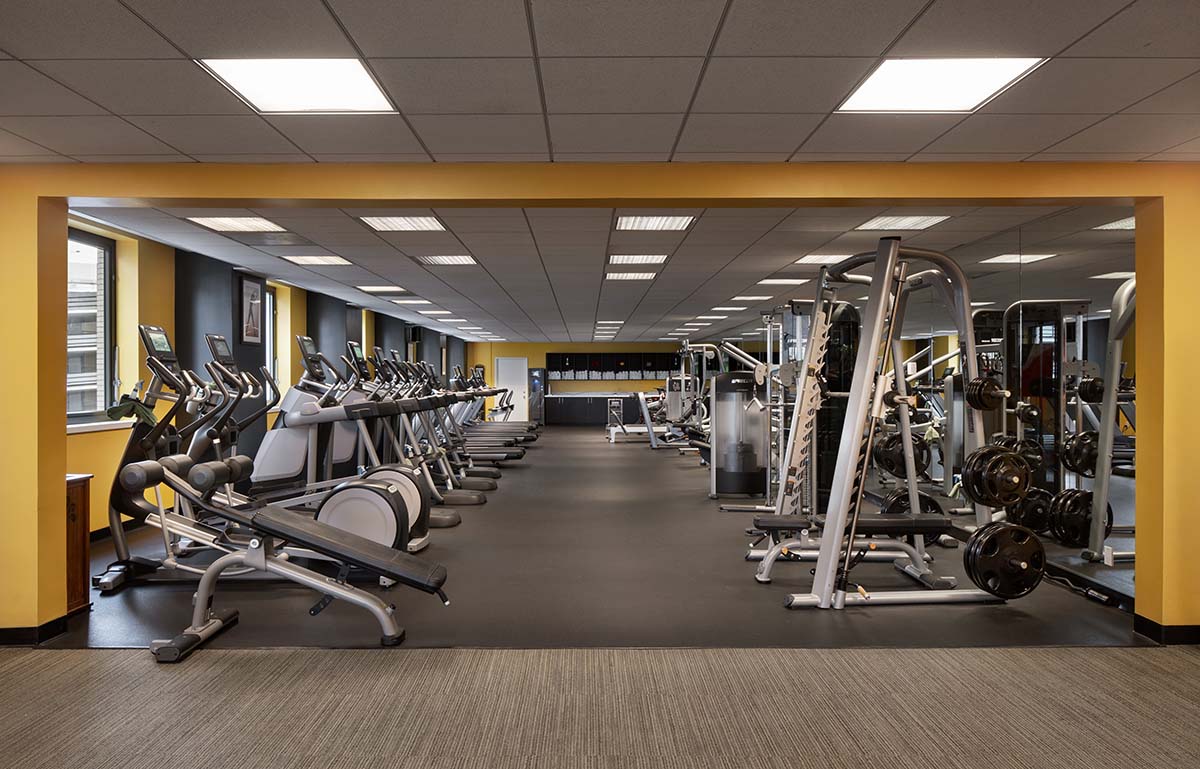
Wellness has become one of hospitality’s big trends, and Nikko has made it a serious part of the property. Its fitness facilities have been upgraded with new Precor equipment, while the large indoor swimming pool is complemented by a hot tub, cool plunge and outdoor terrace.
“Here at Hotel Nikko San Francisco we aim to provide service and an experience in line with what our Japanese travelers have come to expect.”
General Manager Casey Neuburger
The hotel is also developing its sleep offering with different pillows, silk pillowcases, sound systems, sleep masks and lavender pillow spray — useful touches for international travelers dealing with long flights and jet lag.
Neuburger describes it as a “mindful approach” to wellness rather than simply attaching the word to the hotel’s marketing. After spending the day walking San Francisco’s hills, I appreciated the thinking.
Then there is Union Square itself.
The neighborhood outside the Nikko today is not the Union Square I remember from my first stay in 2013. The pandemic accelerated changes in retail, major stores disappeared and some prominent spaces remain empty.
But the story is moving again.
New retailers are arriving, cafes and smaller concepts are opening, and the AI boom is bringing another generation of companies and workers downtown.
“I have seen a number of fun cafes, coffee shops and pop-up stores opening recently, which gives me a positive indication of the growth and recovery of the area,” says Neuburger.
Having known San Francisco for so long, I find this next phase fascinating. The Union Square of 2013 belonged to a particular era of big American downtown retail. Its next iteration will look different.
Through all of that change, much of what makes San Francisco special remains intact. The cable cars still climb Nob Hill. Chinatown and North Beach retain their character. The Ferry Building opens onto the bay. The Golden Gate still appears dramatically through the city’s hills. And Swensen’s is still scooping ice cream on Hyde Street.
“This is a magical city and this magic is still everywhere one looks,” says Neuburger.
I know what he means.
Hotel Nikko sits comfortably among those layers of old and new San Francisco. Thirteen years after my first stay, I found a hotel that has evolved as well — distinctly Japanese, increasingly focused on wellness and still occupying one of the most useful locations from which to explore the city.
For four nights, it felt very good to call it home again.