
Exploring Central Vietnam’s booming coastal destination
I’ve been fortunate enough to visit some pretty impressive stretches of coastline over the years. The Côte d’Azur in France, Australia’s Sunshine Coast, Tulum along Mexico’s Caribbean coast, Copacabana in Rio, Waikiki in Hawaii, and Panama City, where hotels and high-rises line the waterfront.
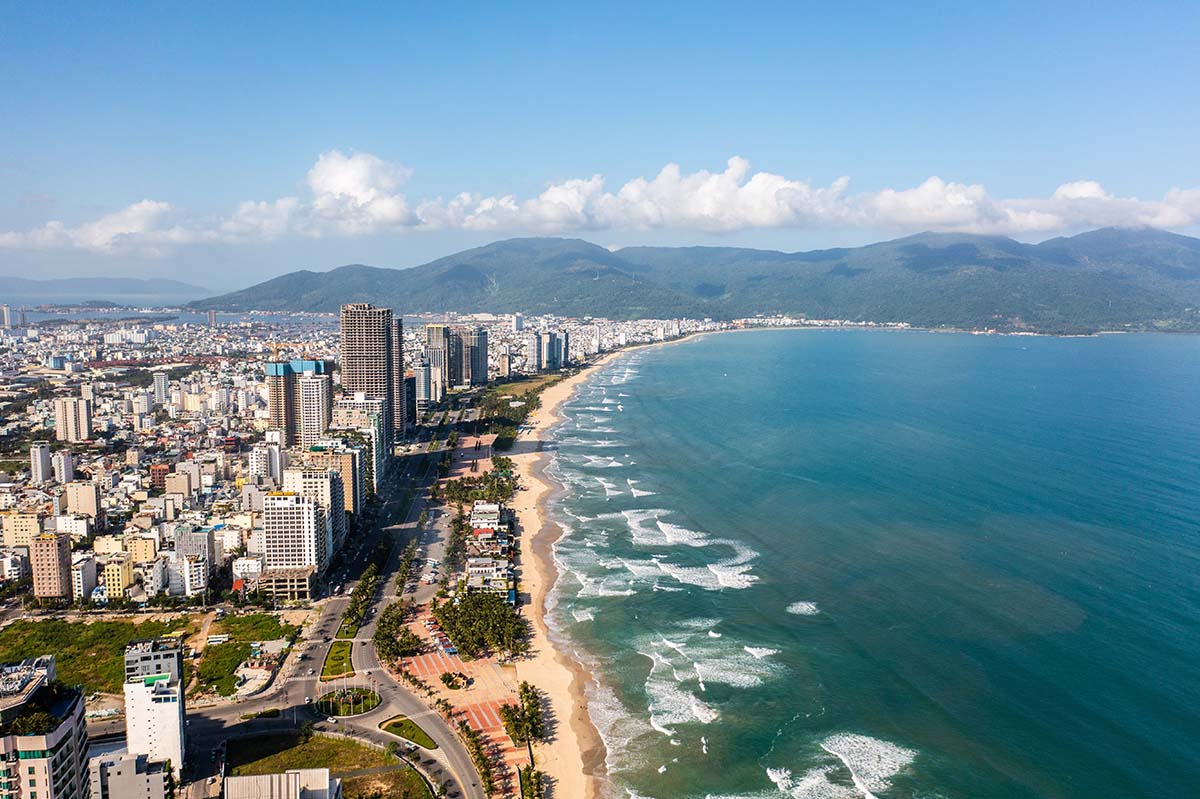
Each has its own personality, and after spending some time in Central Vietnam, I reckon the coastline around Da Nang deserves to be in that conversation. In many ways, it’s Southeast Asia’s answer to these famous coastal destinations.
The thought crossed my mind while driving from the Four Seasons Resort The Nam Hai, near Hoi An, to Laguna Golf Lăng Cô, north of Da Nang. Along the way, I passed an extraordinary collection of beachfront resorts, international hotels, golf courses and developments stretching for miles.
It’s quite something when you consider how much this coastline has changed in just a few decades.
Furama Resort was among the pioneers, opening in 1997 when much of the surrounding beachfront was still relatively undeveloped. The real boom came in the late 2000s and early 2010s, when international hotel operators and Vietnamese developers began recognising the potential of these long sandy beaches.
The numbers tell the story. Da Nang welcomed around 1.77 million visitors in 2010. By 2015, that figure had reached 4.6 million, and by 2019, nearly 8.7 million. Following the pandemic, tourism rebounded strongly, with the city welcoming approximately 10.9 million visitors in 2024.
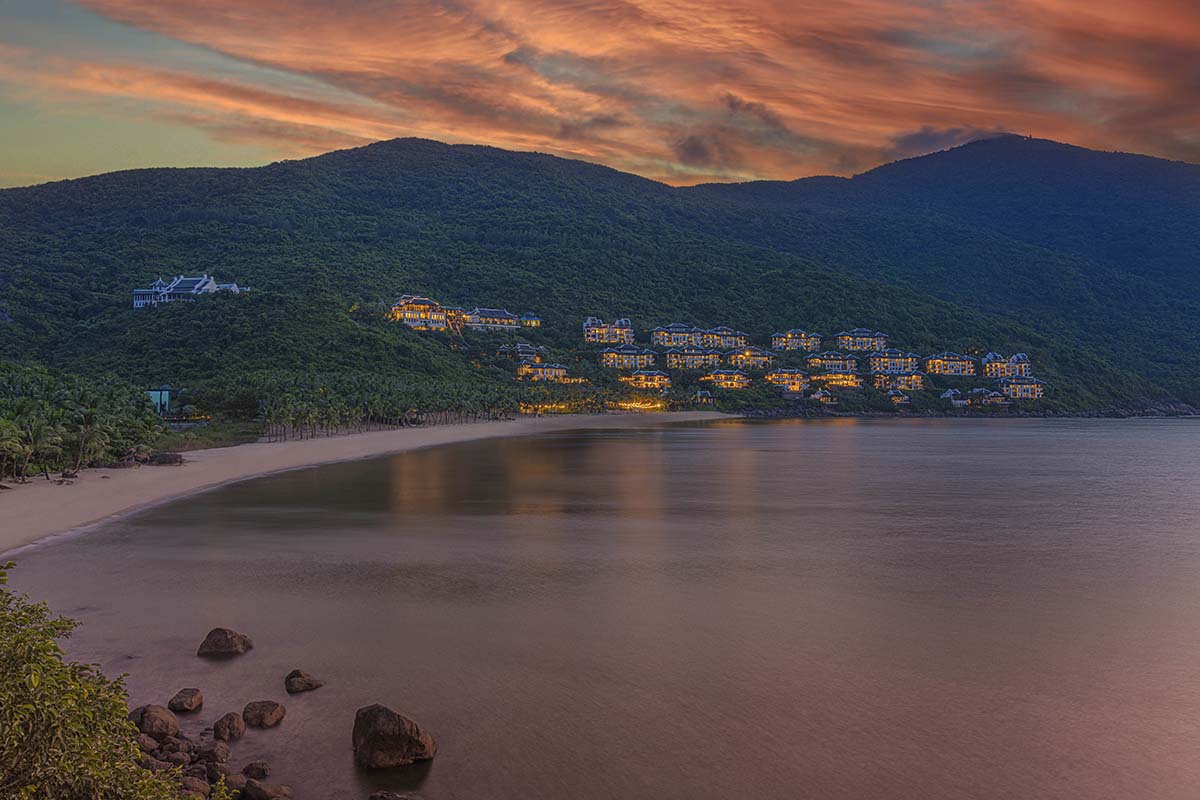
The hotel industry followed. Hyatt Regency arrived in 2011, InterContinental Danang Sun Peninsula Resort opened in 2012, and The Nam Hai joined the Four Seasons portfolio in 2016. More international brands followed, alongside ambitious Vietnamese developments.
Today, the choice is enormous. There are luxury beachfront villas, family resorts, wellness retreats, business hotels, serviced apartments and smaller local properties catering to practically every budget. Mandarin Oriental also has a development planned along the coast.
Of course, the boom hasn’t been without casualties. COVID brought international tourism to a standstill, leaving some projects unfinished and others struggling to recover. You can still spot abandoned structures and incomplete developments along the road, reminders of how quickly fortunes can change in the hospitality business.
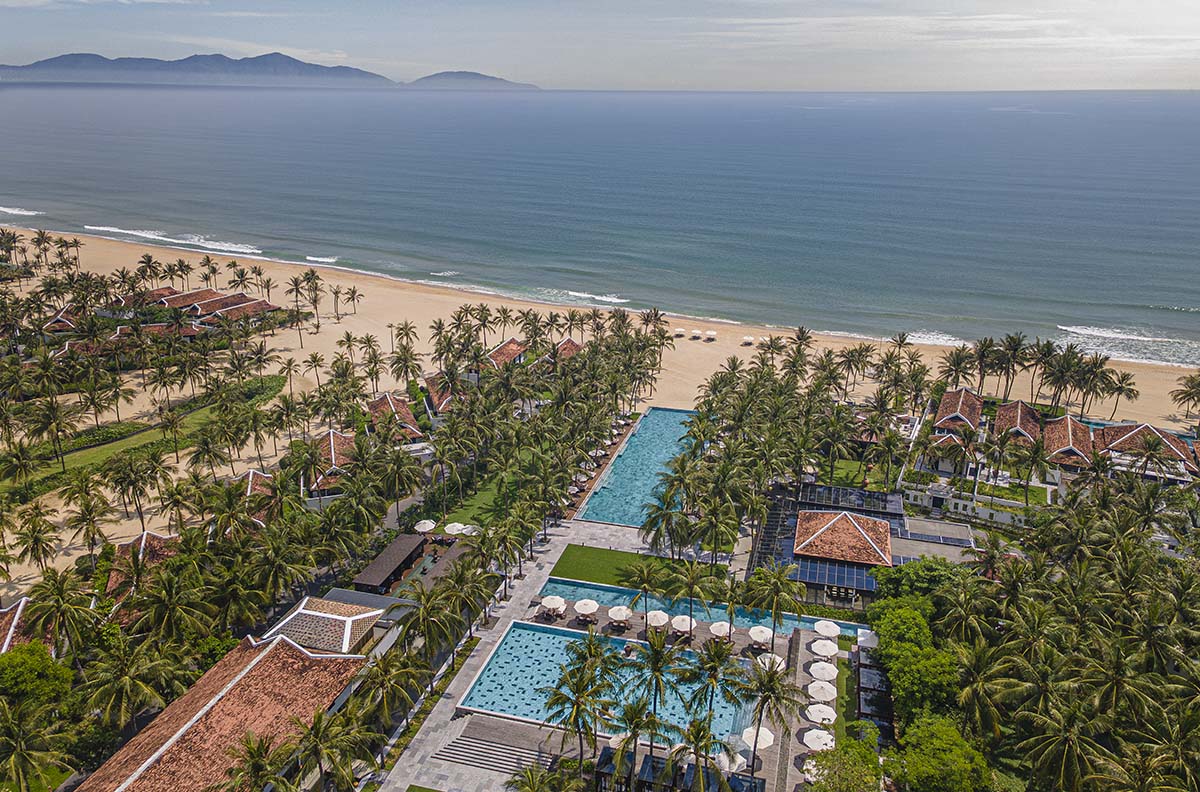
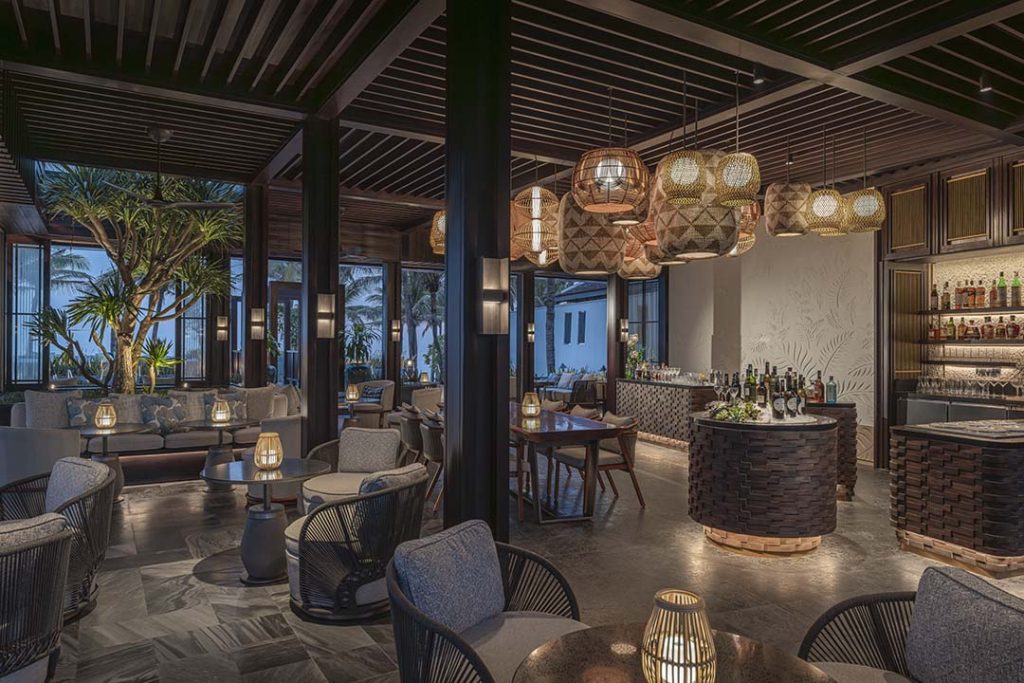
During my stay, I experienced three very different properties. Four Seasons Resort The Nam Hai offered spacious beachfront luxury and beautifully landscaped grounds. Fusion Resort & Villas Da Nang brought a more contemporary, wellness-focused approach. And InterContinental Danang Sun Peninsula Resort, designed by Bill Bensley, was practically an architectural adventure, with its buildings cascading down a forested mountainside.
The latter sits on the spectacular Son Tra Peninsula, where the coastline gives way to thick tropical greenery, winding mountain roads and extraordinary views over Da Nang.
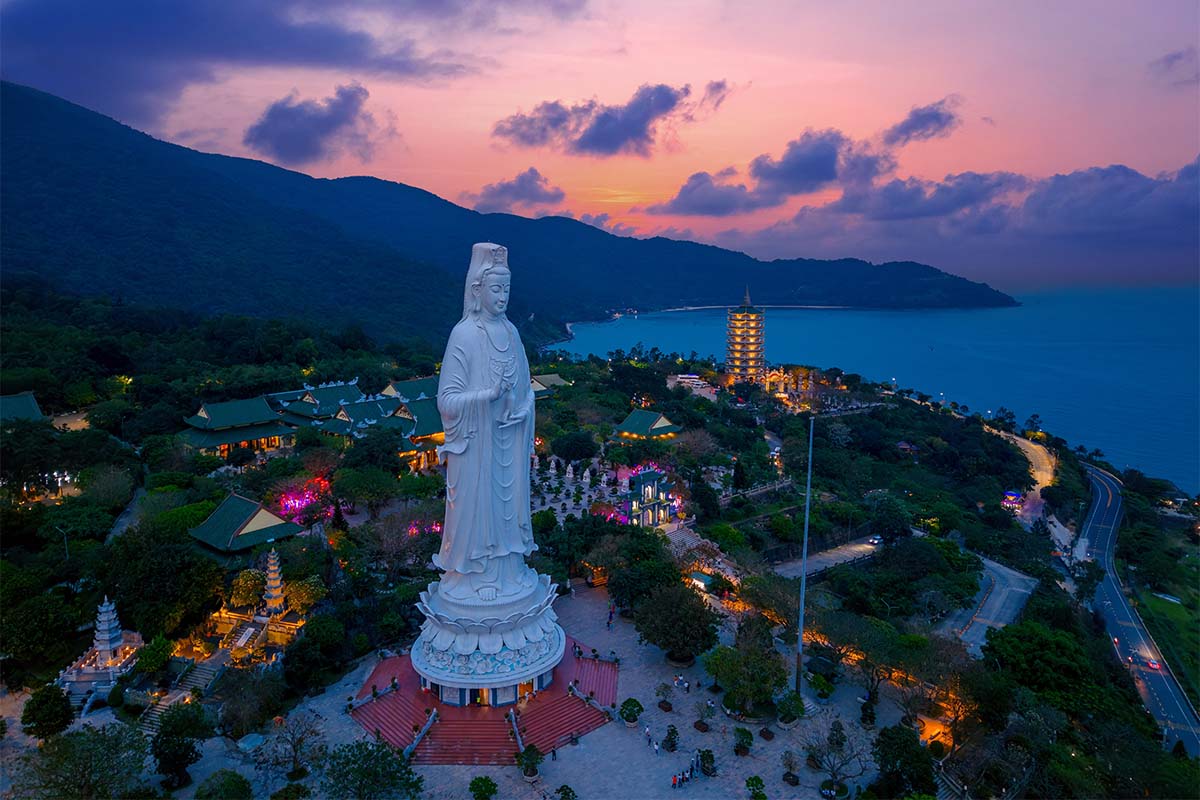
Nearby stands the enormous white Lady Buddha at Linh Ung Pagoda, overlooking the sea from a height of 67 metres. She’s visible from much of the coastline and has become one of the city’s most recognisable landmarks.
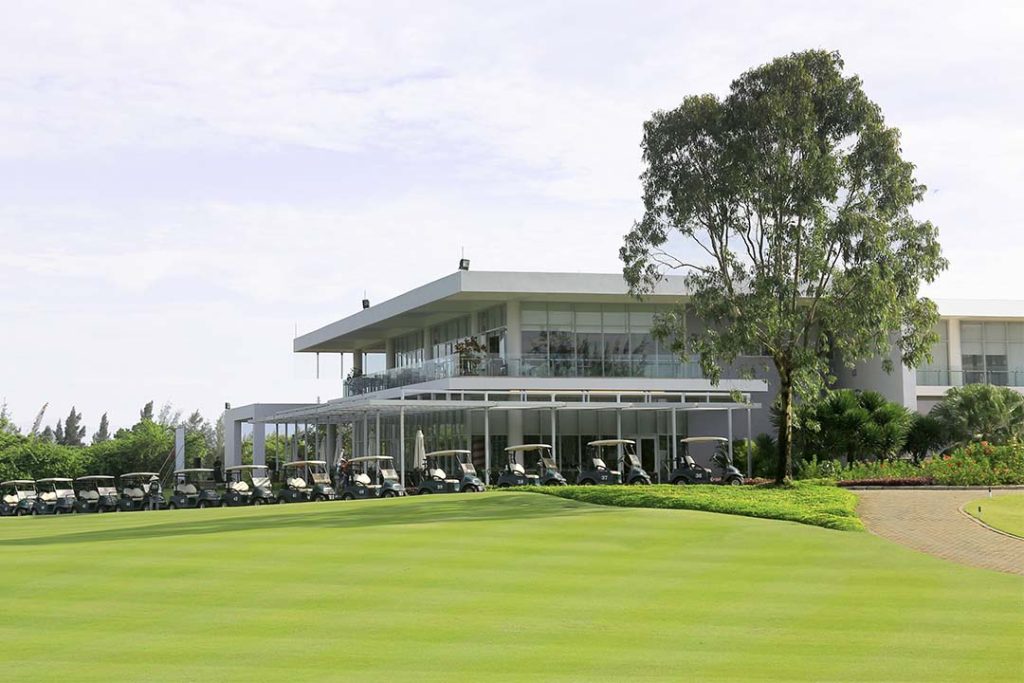
Golf has also played a significant role in the region’s rise. Montgomerie Links opened in 2009, well before many of today’s hotels, and helped establish Central Vietnam as a serious golfing destination.
Korean and Japanese visitors have embraced the area, particularly golfers escaping their colder winters. The catch is that their preferred travel months overlap with Central Vietnam’s rainy season. Sunshine isn’t always guaranteed, but apparently that hasn’t discouraged them.
At many of the beachfront hotels, one doorstep leads straight onto the sand and into the sea. Head out the other way, and you have one of Vietnam’s largest cities waiting to be explored, with restaurants, cafés, shopping, nightlife and all the conveniences you’d expect from a major urban centre.
Moving between resorts, I found it interesting how the nationalities of the guests changed. Some properties were especially popular with Koreans, others with Japanese, Vietnamese or Western travellers.
And there’s a major domestic market too. Residents of Hanoi and Ho Chi Minh City come here for the beaches, resorts and a break from the big-city routine.
One of the things I particularly like about Da Nang is that you get the best of both worlds, practically on your doorstep.
At many of the beachfront hotels, one doorstep leads straight onto the sand and into the sea. Head out the other way, and you have one of Vietnam’s largest cities waiting to be explored, with restaurants, cafés, shopping, nightlife and all the conveniences you’d expect from a major urban centre.
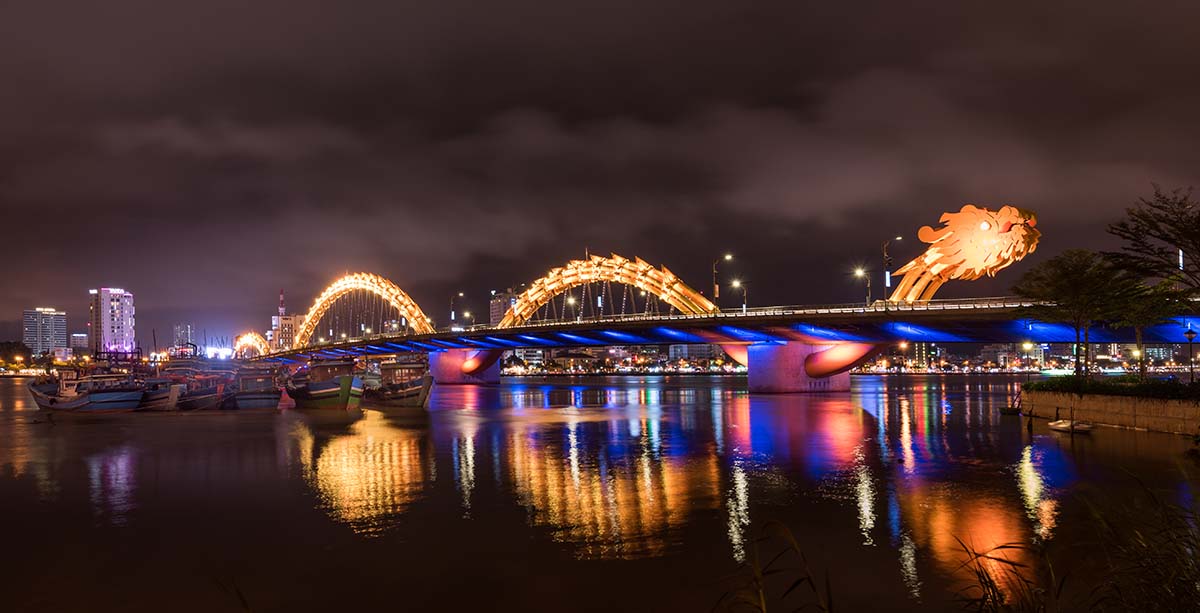
There’s the Han River running through the city, a dragon-shaped bridge that breathes fire on weekends, and mountains and greenery never too far away.
It’s a different experience from an island getaway in the Philippines or Thailand, where the resort often becomes the centre of your holiday and getting around can involve longer transfers, boats or limited transport options. I enjoy those destinations too, but there’s something appealing about having an entire city within easy reach whenever you feel like venturing out.
And then there’s the food. Honestly, that’s almost worth the trip alone.
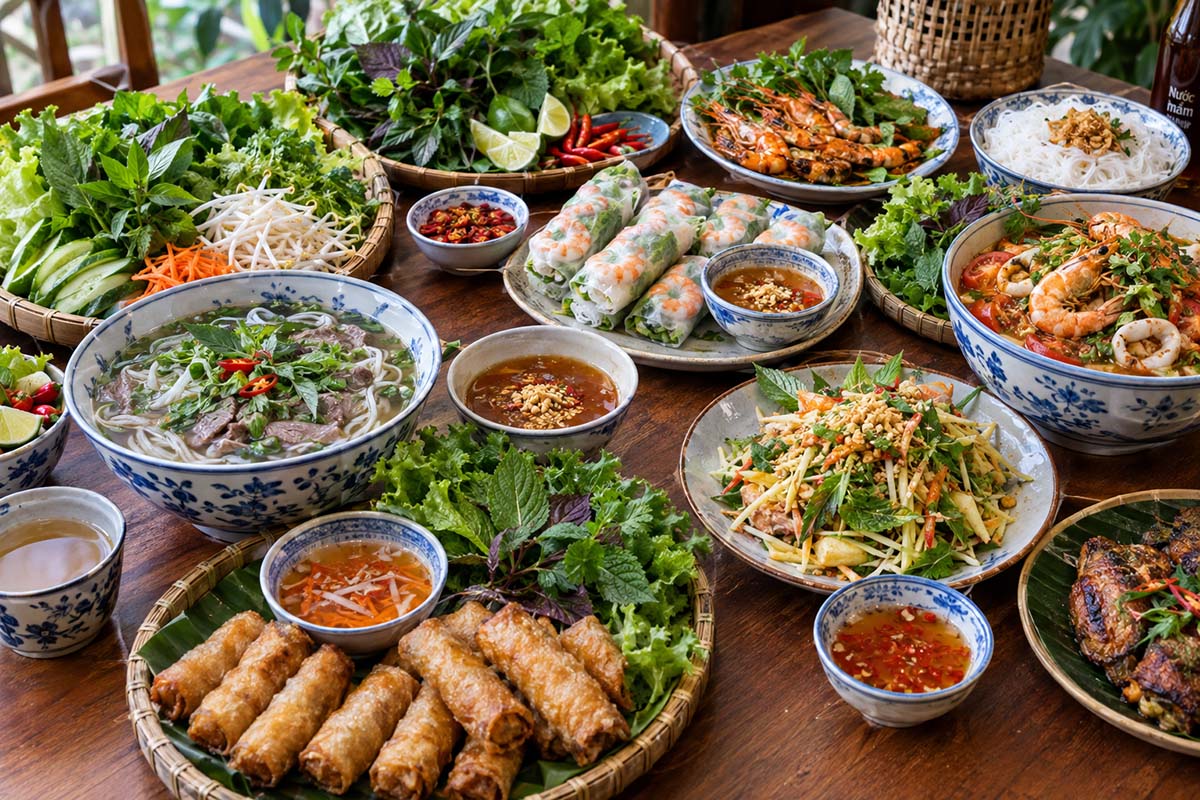
Vietnamese cuisine is incredibly diverse, with each region bringing its own flavours and specialties. What I particularly love is the freshness of it all. The generous handfuls of herbs, crisp vegetables, fragrant broths, the crunch of a freshly fried spring roll, and that wonderful balance of salty, sweet, sour, spicy and umami that somehow comes together in every bite.
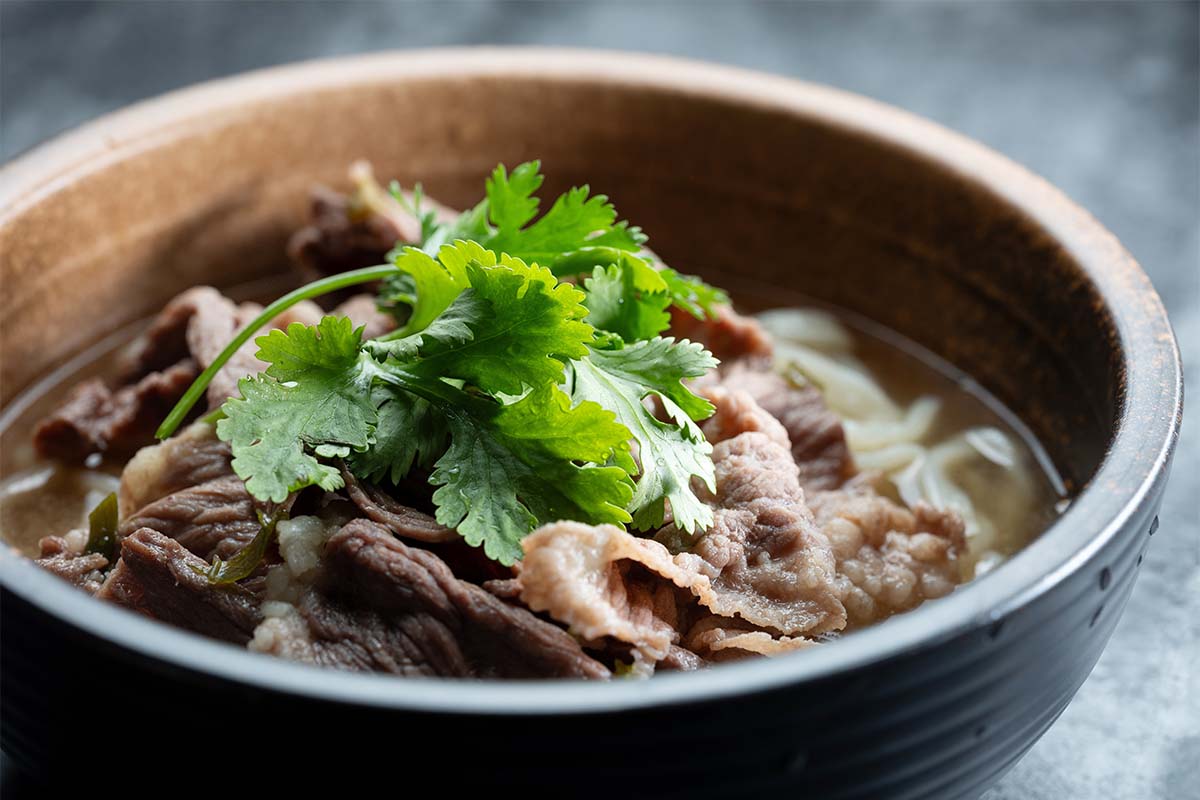
I was also on something of a pho quest throughout the trip. A bowl became practically a daily staple, and I was quite happy with that arrangement.
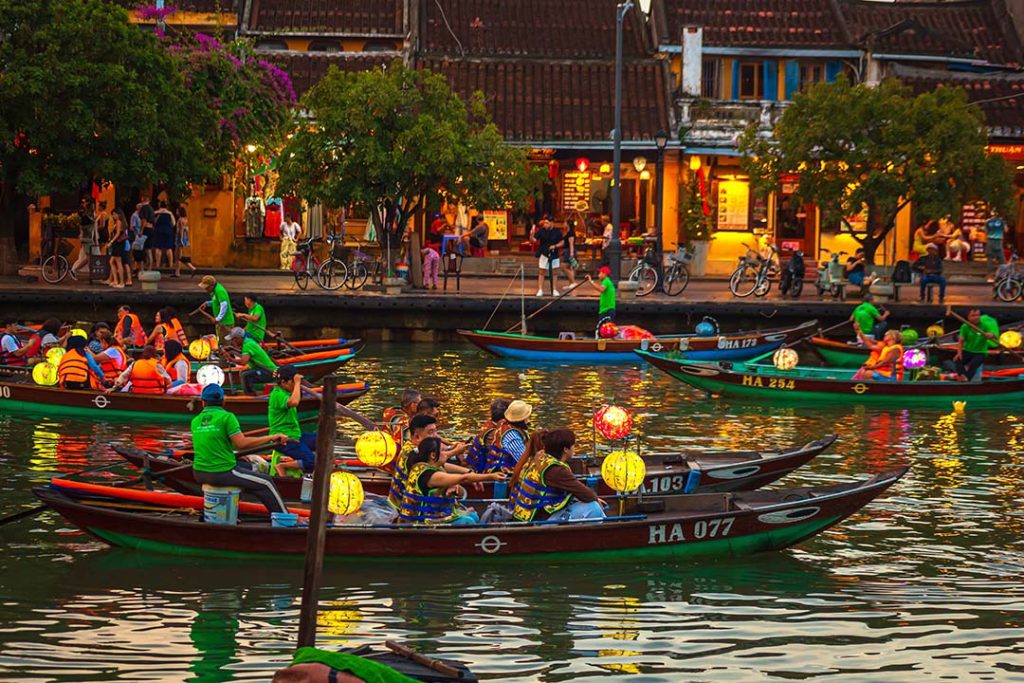
We had some excellent meals, including at Morning Glory in Hoi An and Bếp Cuốn in Da Nang. The latter was particularly memorable for the sheer amount of food we managed to put away. On more than one occasion, waiters politely warned us that we were ordering too much.
Clearly, they didn’t know us very well.
And here’s another reason to love Vietnam: the prices. Even restaurants recognised by the Michelin Guide can be remarkably affordable. You can enjoy a fantastic spread of Vietnamese dishes, fresh seafood and excellent coffee without the sort of bill you’d expect at comparable restaurants in many other international destinations.
We certainly made the most of it.
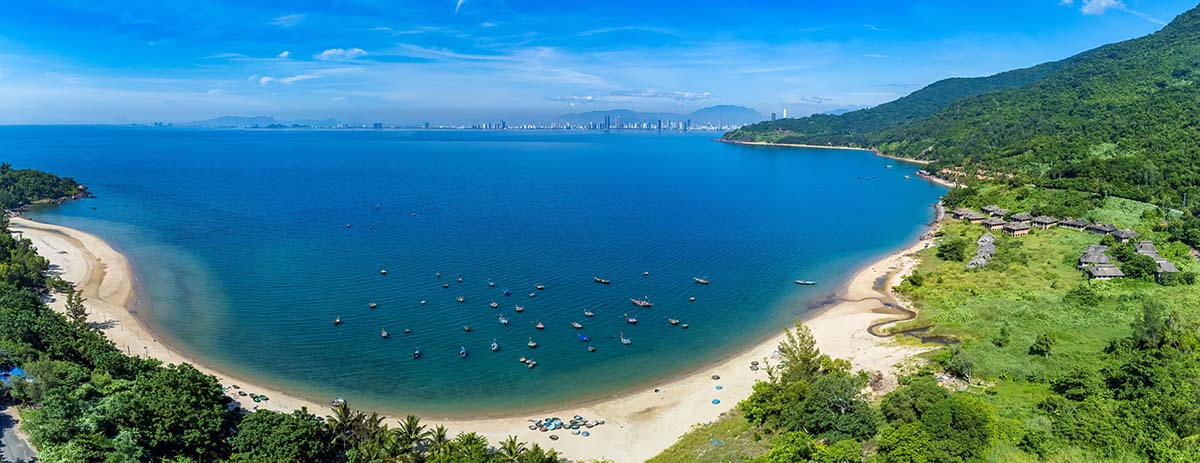
For travellers from Southeast Asia, where beautiful beaches are hardly in short supply, that’s an important consideration. Central Vietnam offers a tremendous amount of variety within a relatively compact area.
And judging by the pace of development along this strip, plenty of investors seem to agree.