
I have a fascination with old towns, especially those beside rivers or the sea. There is something romantic about imagining merchants crossing rough waters in search of wealth, adventure and perhaps someone worth staying for. Walking streets that go back 300 or 400 years, my mind inevitably wanders to what life was like when the ships came in.
Perhaps it runs in the family.
My grandfather was a German merchant mariner who travelled to Central America in the late 1920s. He met his French-Spanish wife in Nicaragua before settling in Guatemala, where my father was born. My father made his own journey to Manila in the late 1960s, where he met my mother.
So a Japanese merchant arriving in Vietnam four centuries ago and finding his future bride certainly gets my attention.
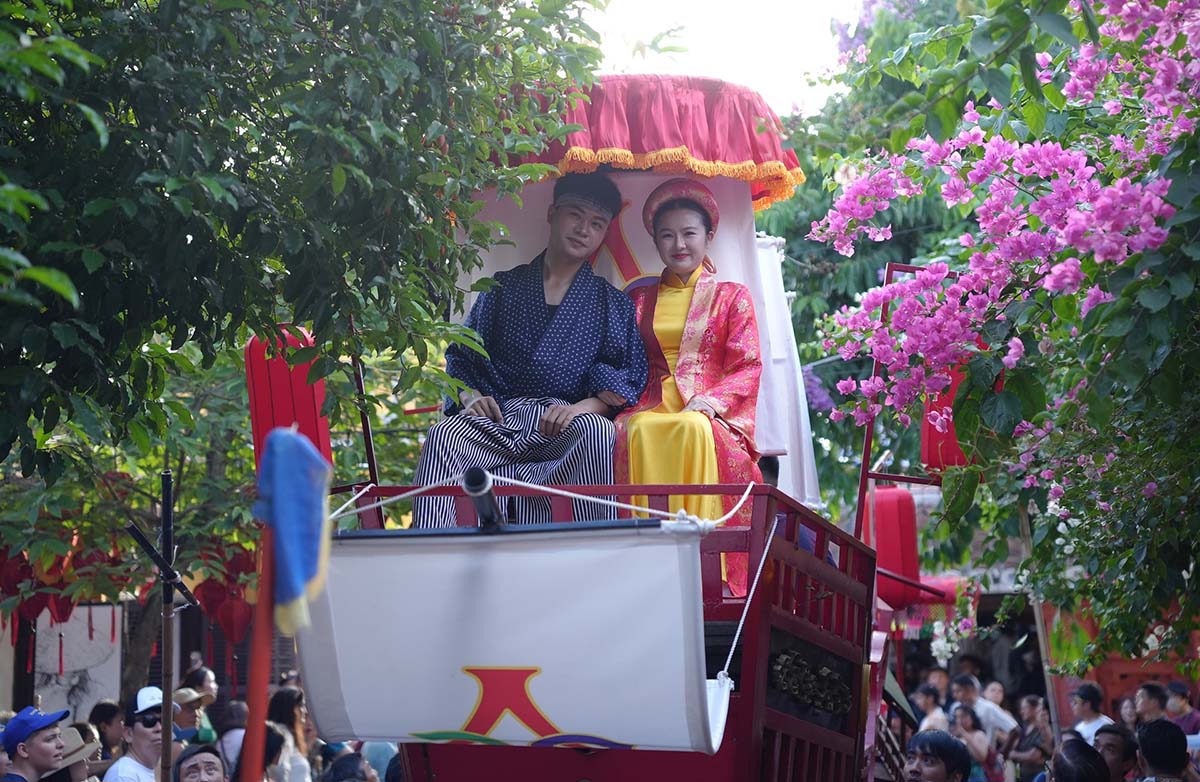
The setting was Hội An, known to foreign traders as Faifo. The merchant was Araki Sōtarō. His bride is remembered as Princess Ngọc Hoa.
A town shaped by arrivals
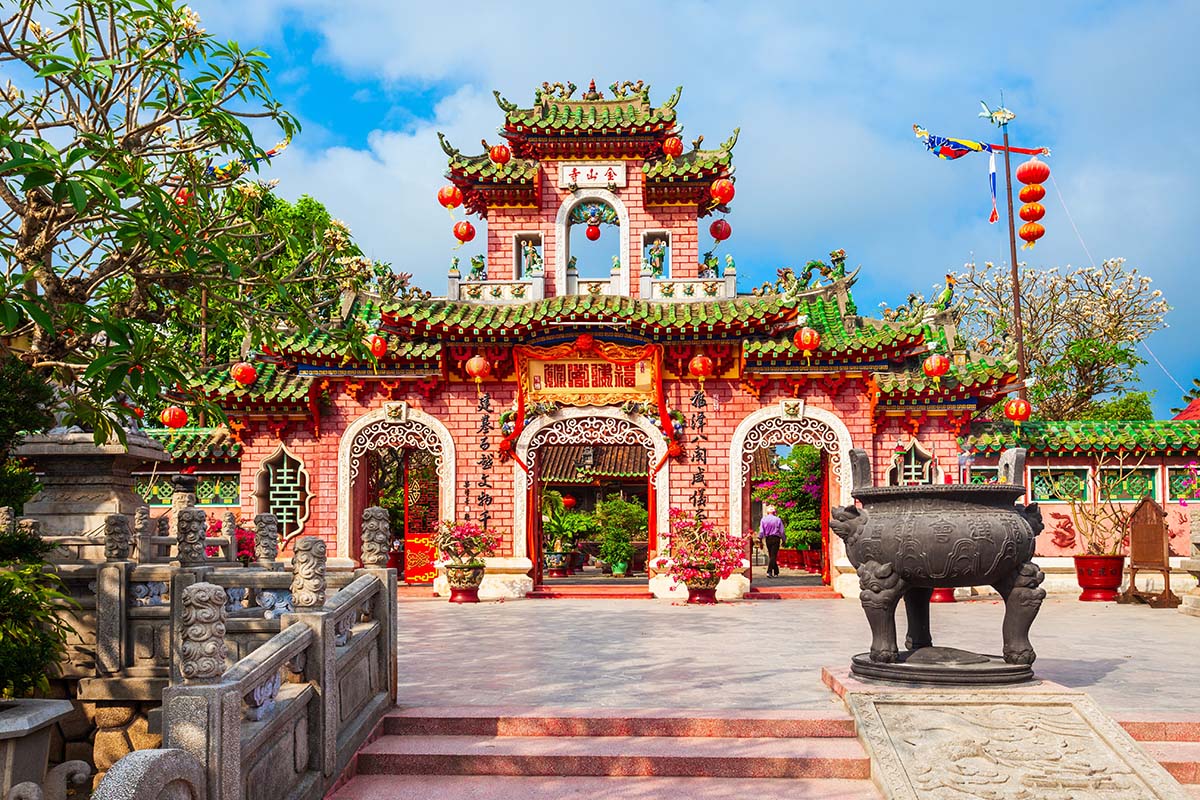
Hội An flourished as an international trading port during the 16th and 17th centuries. Its position near the mouth of the Thu Bồn River connected central Vietnam with maritime networks reaching China, Japan, Southeast Asia and beyond. Chinese and Japanese merchants established communities, while European traders joined the traffic.
You can see what those arrivals contributed. Chinese assembly halls, Vietnamese merchant houses and the Japanese Covered Bridge share a streetscape of tiled roofs, timber frames and weathered yellow walls. UNESCO recognises this fusion of local and foreign cultures as central to Hội An’s heritage.
Four centuries after merchants came ashore to discover what Faifo offered, people are still arriving, looking around and finding reasons to linger.
This is what fascinates me about historic ports. People arrive to do business, establish households, raise families and build places of worship. Their tastes and traditions become part of the town. Over generations, that gives a place extraordinary character.
Hội An wears those layers well. There is colour and detail everywhere, with enough age in the buildings to make you slow down and look.
A merchant and his princess
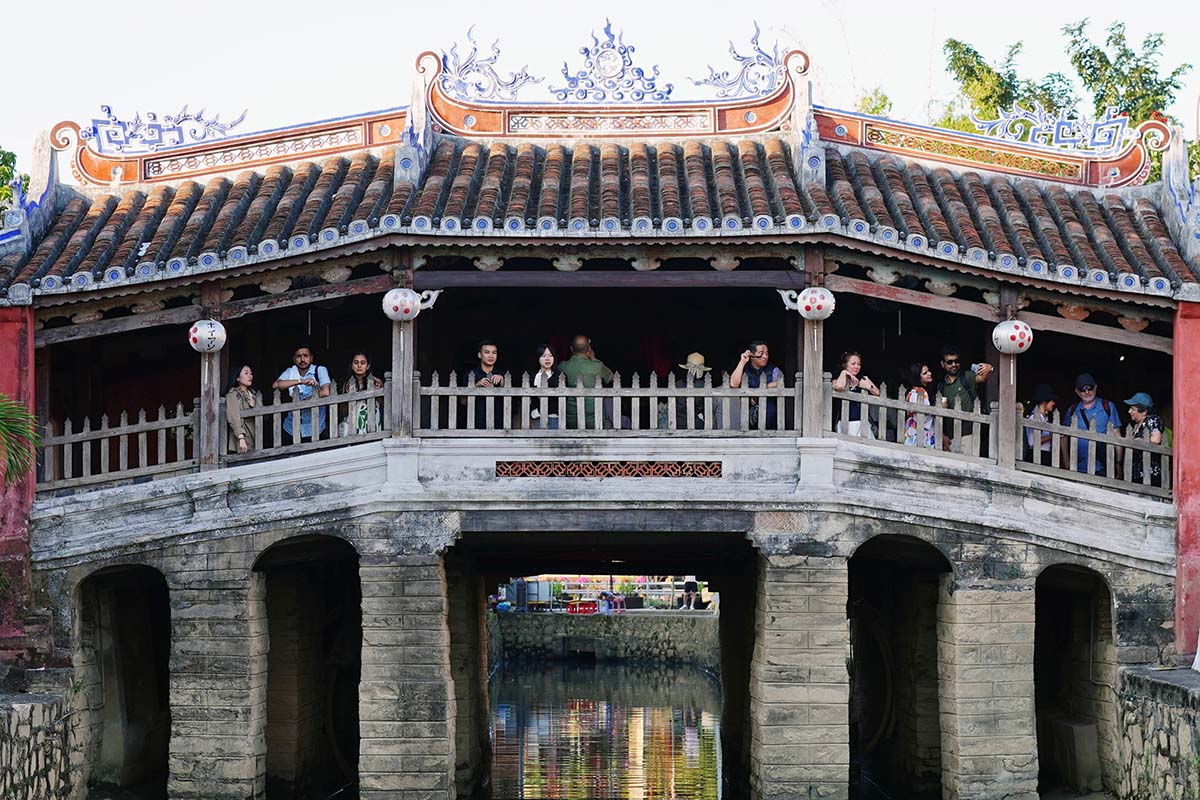
In the early 17th century, Japanese merchants travelled to Hội An aboard red-seal ships, named for the official trading permits they carried. A Japanese quarter developed here, and its best-known surviving landmark is the covered bridge, first established around four centuries ago and repeatedly restored since.
In 1619, Araki Sōtarō married a Vietnamese noblewoman remembered as Ngọc Hoa, associated with the household of Nguyễn lord Nguyễn Phúc Nguyên. Her precise ancestry remains debated, although she is widely celebrated as a princess. The following year, they settled in Nagasaki, where she became known as Anio-san.
A voyage undertaken for commerce had become the beginning of a family. That part sounded familiar.
Their journey came shortly before Japan imposed severe restrictions on overseas travel during the 1630s. Those restrictions lasted roughly two centuries, with controlled foreign trade continuing. The world of Japanese merchants sailing to Southeast Asia entered a different chapter.
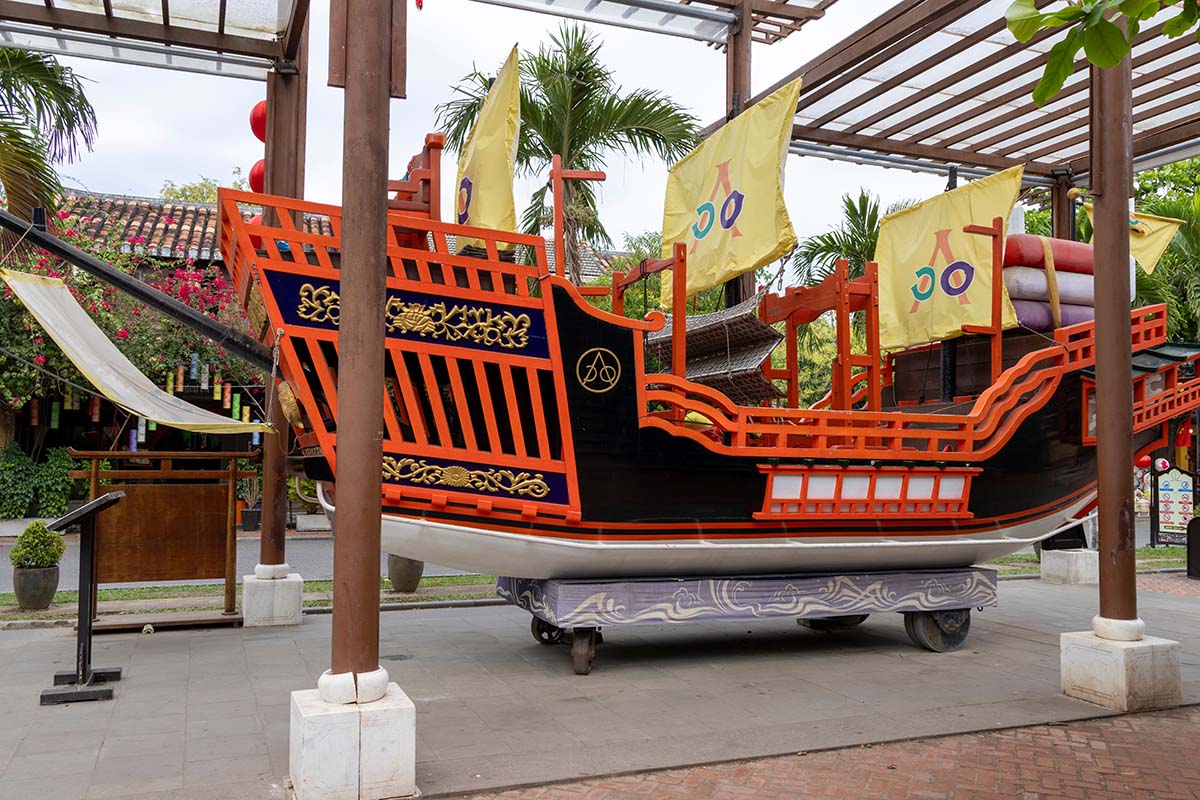
The connection is still honoured. In November 2017, Nagasaki Prefecture donated a red-seal ship replica, displayed at Sông Hoài Square as part of Hội An’s Vietnam–Japan cultural exchange. It gives a tangible shape to those earlier journeys.
From the street to the river
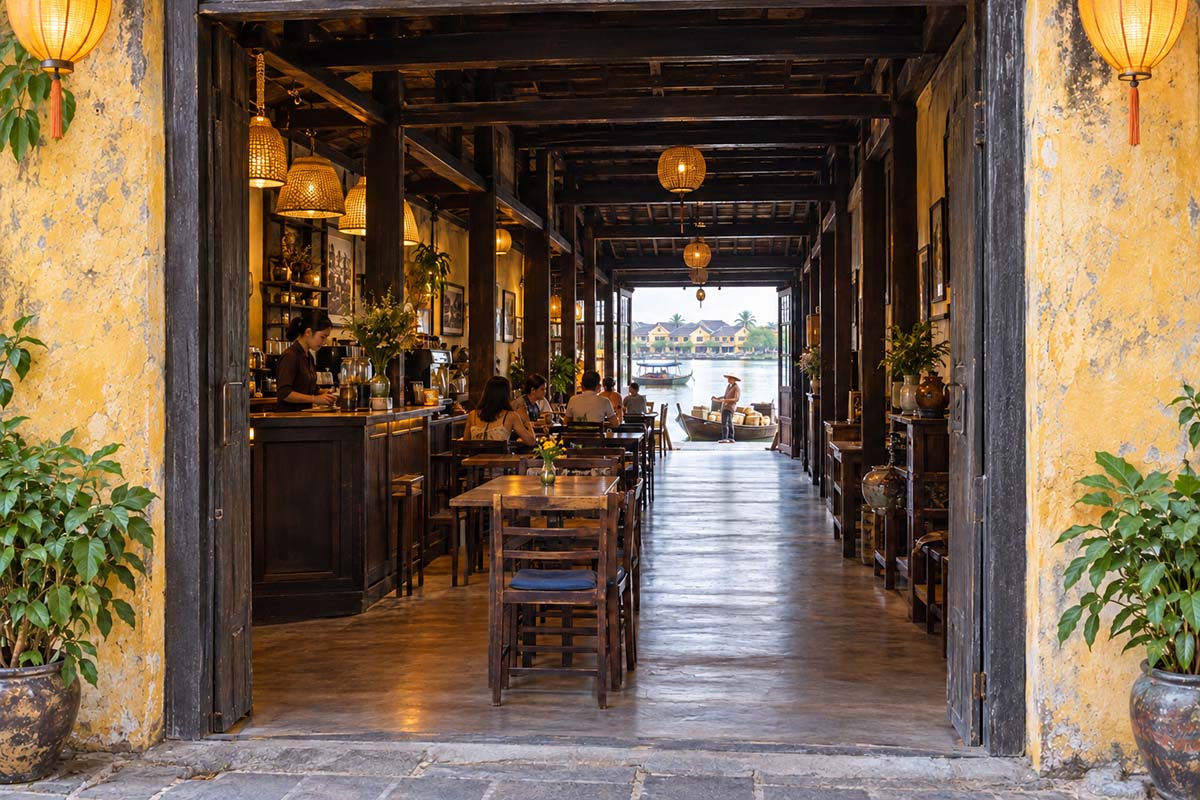
Walking through the old town, I had been wondering where the river was—the one I had seen in photographs all over Instagram, with its colourful boats and lanterns.
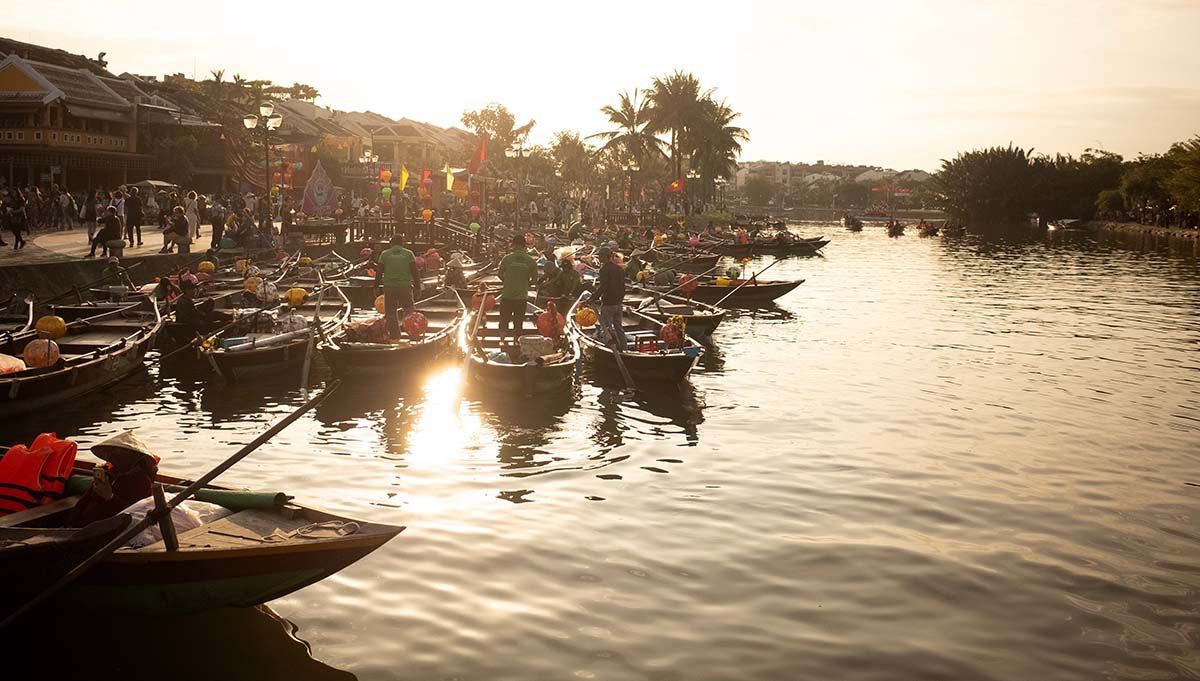
I found it by walking into a restaurant and continuing through the building. At the far end, it opened onto the river. By then it was golden hour, and the lanterns were already lit.
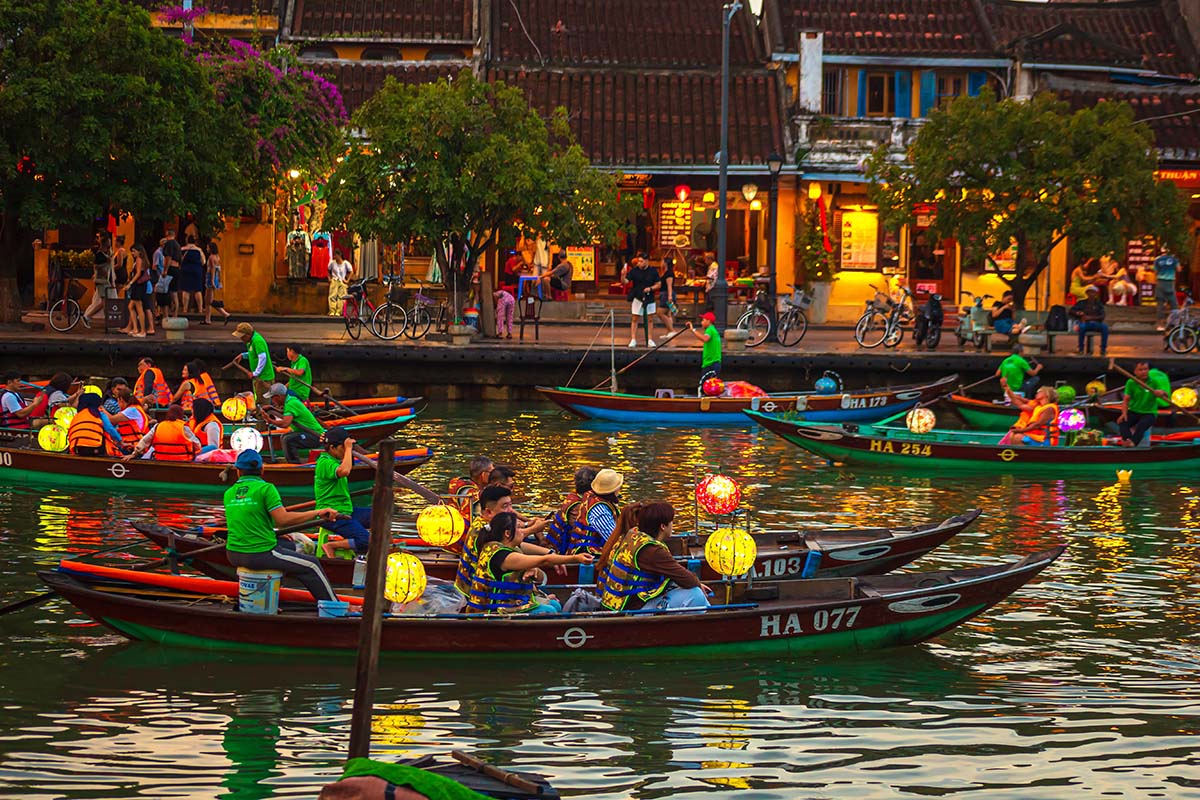
What a spectacle. The warm light, the boats, the colours reflected in the water: everything was there in full, vivid definition. Even the beautiful photographs hadn’t done it justice. I needed a nice Vietnamese espresso and a riverside seat to soak it all in.
There was a historical reason for that passage from street to waterfront. Merchant houses were arranged so customers could enter from the street while boats loaded and unloaded goods at the rear. My walk through the restaurant had followed the route connecting a merchant’s shop to the trading river.
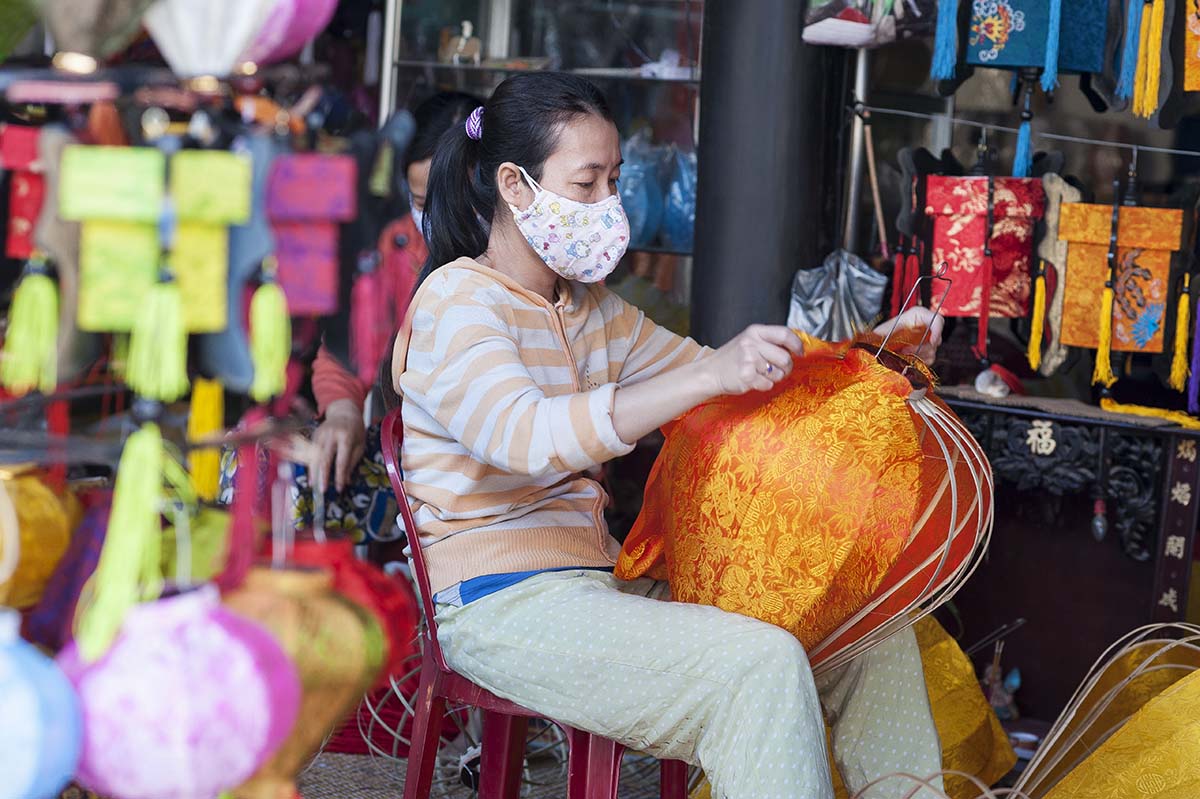
As daylight faded, the lantern reflections grew brighter. Hội An’s heritage centre traces their introduction to Chinese and Japanese merchants in the 17th century. Local residents developed their own craft, incorporating lanterns into family ceremonies, festivals and everyday life.
Still bringing people together
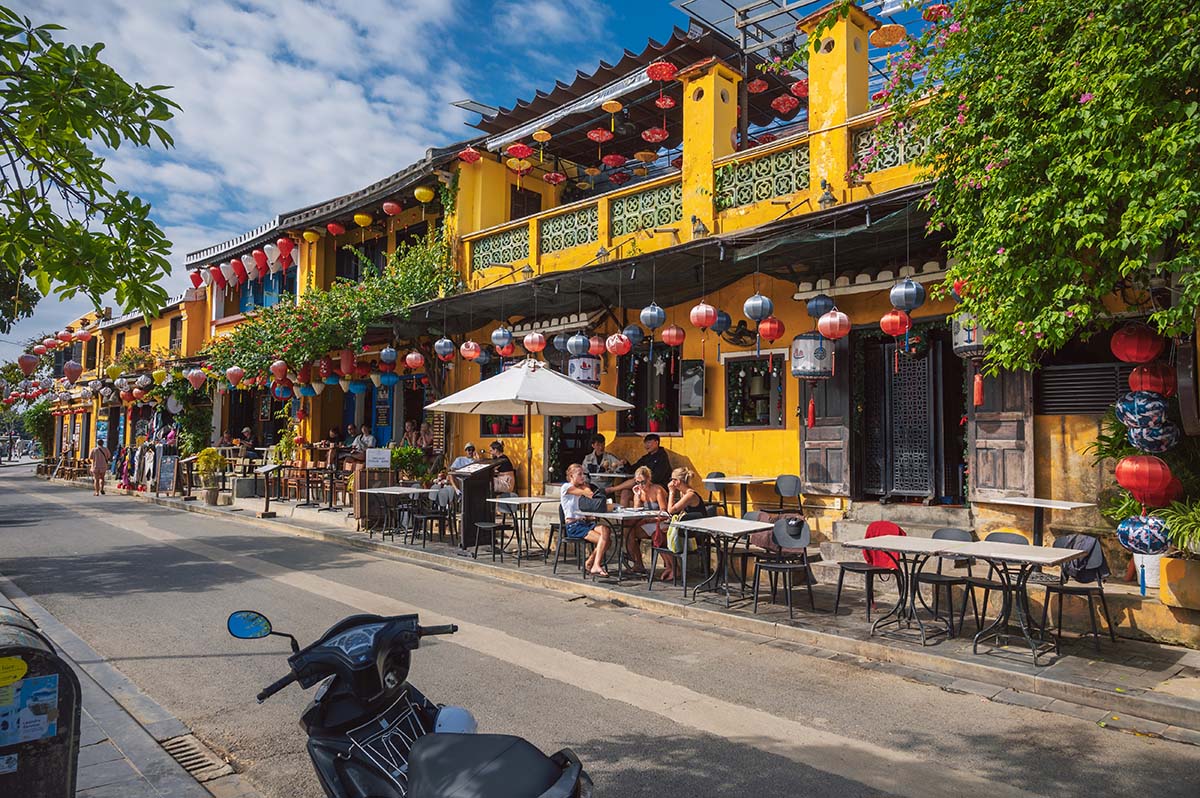
Hội An’s port declined in the 19th century, helping preserve the streets visitors explore today. Traditional repairs and conservation have sustained that inheritance.
The town remains open for business. Shops, tailors, restaurants and cafés draw visitors of every nationality. Different languages mingle along the streets, over dinner and beside the boats.
Four centuries after merchants came ashore to discover what Faifo offered, people are still arriving, looking around and finding reasons to linger.