

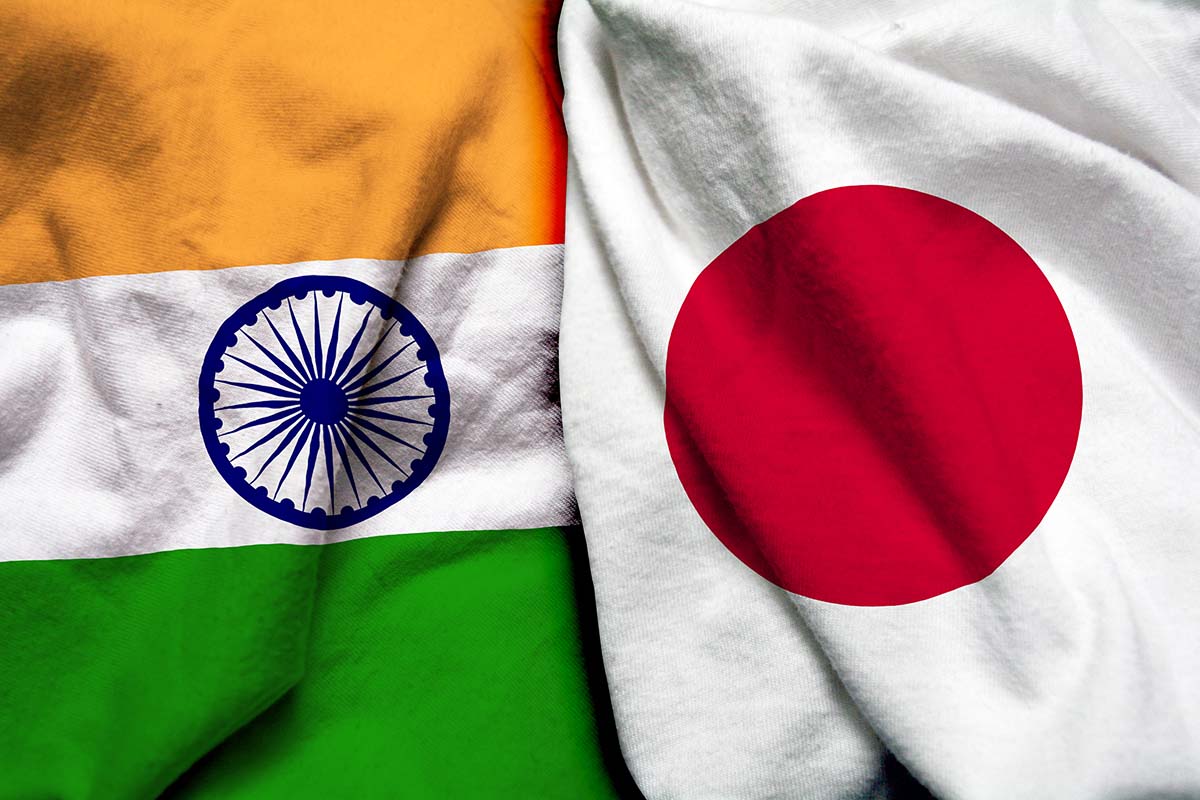
As India prepares to celebrate its 79th Independence Day, 2027 will mark another important milestone: 75 years of diplomatic relations between Japan and India. Over the past seven and a half decades, the relationship has evolved from friendly cooperation into one of Asia’s most significant strategic and economic partnerships.
Japan and India share a common commitment to stability, long-term thinking, the rule of law, and mutually beneficial economic growth. These shared values have enabled both nations to build a partnership that extends well beyond trade and investment. Today, cooperation spans manufacturing, mining, chemicals, pharmaceuticals, medical technology, finance, innovation, infrastructure, digital transformation, and advanced technologies.
A Strong Business Foundation
Japanese companies continue to view India as one of the world’s most promising growth markets. Recent business surveys demonstrate the confidence that Japanese industry places in India’s economic future.
More than 50 percent of Japanese companies operating in India have reported profitability over the past two years, reflecting the maturity and resilience of their Indian operations. Even more notably, approximately 82 percent of Japanese companies in India have expanded their business activities, underscoring strong optimism about long-term opportunities.
This confidence is being translated into new factories, research centers, logistics networks, partnerships, and employment opportunities across the country. India’s rapid economic growth, expanding middle class, and ongoing reforms have created a compelling environment for Japanese investors seeking both scale and stability.
As Asia continues to drive global growth, Japan and India are uniquely positioned to shape the future together—through investment, innovation, technology, healthcare, manufacturing, and people-to-people connections.
A key contributor to this success has been the Japan External Trade Organization (JETRO), which continues to play a central role in supporting investment, market access, and business expansion.
With a global network of 55 offices around the world, JETRO serves as a bridge between Japanese enterprises and international markets. In India, JETRO has helped companies navigate regulations, identify local partners, establish operations, and explore new sectors for growth.
As supply chains become increasingly diversified and resilient, JETRO’s role in strengthening Japan-India business ties is becoming more important than ever.
Manufacturing and Industrial Growth
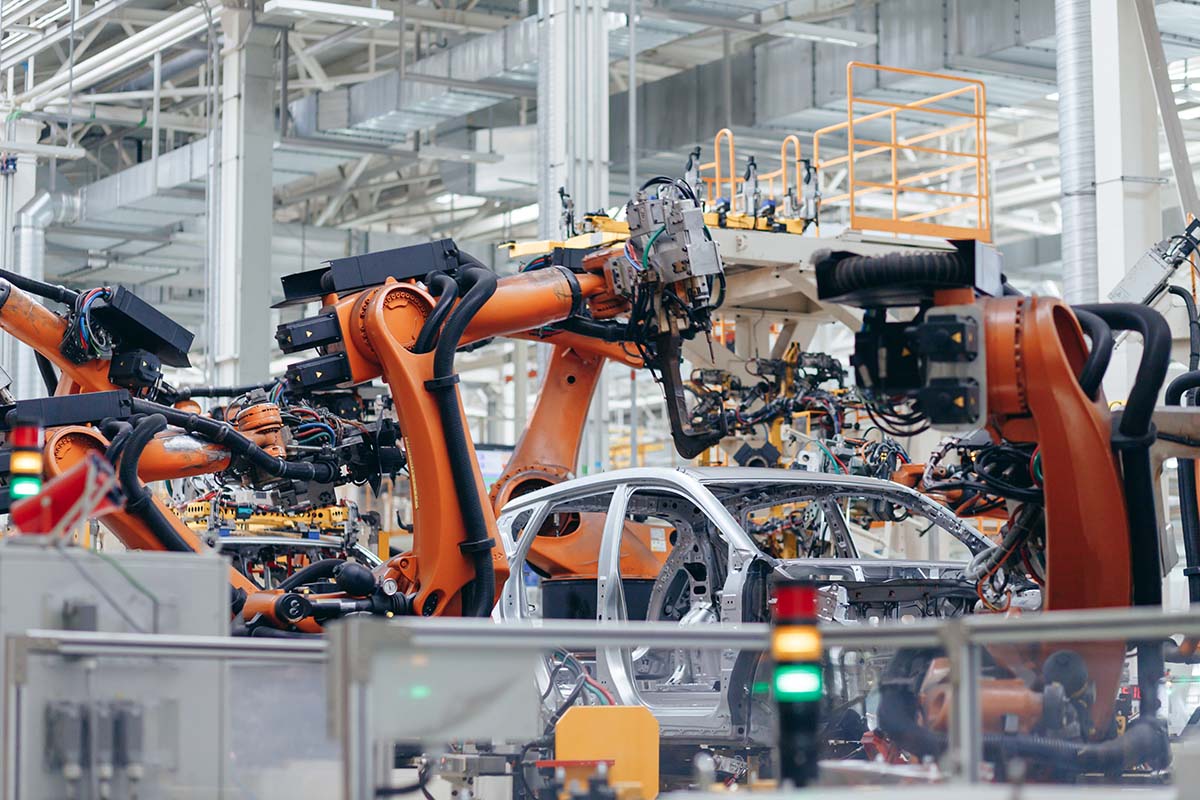
Manufacturing remains one of the strongest pillars of the economic relationship. Japanese expertise in precision engineering, quality control, automation, and industrial processes complements India’s strengths in scale, talent, and market potential.
From automotive production and industrial machinery to chemicals and advanced materials, Japanese companies have contributed significantly to India’s industrial development. These investments are creating jobs, transferring technology, and helping Indian industries compete globally.
Mining and resource development are also emerging as important areas of collaboration, particularly as global demand rises for critical minerals essential to clean energy technologies and advanced manufacturing.

Pharmaceuticals, MedTech, and Healthcare Innovation
Healthcare is becoming a defining area of future cooperation. India’s globally competitive pharmaceutical industry and Japan’s leadership in medical technology present powerful opportunities for collaboration. Joint ventures, research partnerships, and innovation initiatives are helping address healthcare challenges while supporting economic growth.
As populations age and healthcare demands evolve across Asia, cooperation in pharmaceuticals, biotechnology, diagnostics, medical devices, and digital health solutions will become increasingly valuable.
The combination of Japanese innovation and Indian scale has the potential to improve healthcare outcomes not only in both countries but throughout the wider region.

Finance and Government-to-Government Cooperation
Economic relations are strengthened by robust government cooperation and expanding financial partnerships. Japanese public and private investment has supported major infrastructure projects across India, including transportation, urban development, industrial corridors, and energy initiatives. These projects have demonstrated how government-to-government collaboration can create long-term economic benefits.
Financial institutions from both countries are also deepening engagement in areas such as project finance, sustainable investment, venture capital, and startup funding. As India’s economy continues to grow, financial cooperation will remain a critical driver of bilateral prosperity.

Innovation and the Startup Economy
Innovation has become a new frontier in Japan-India relations. India’s dynamic startup ecosystem and Japan’s advanced technological capabilities offer complementary strengths. Increasing collaboration between entrepreneurs, research institutions, investors, and technology companies is creating opportunities in artificial intelligence, robotics, mobility, clean technology, digital services, and advanced manufacturing.
The next generation of economic cooperation will be shaped not only by large corporations but also by startups and innovators building solutions for global markets.
The Semiconductor Opportunity
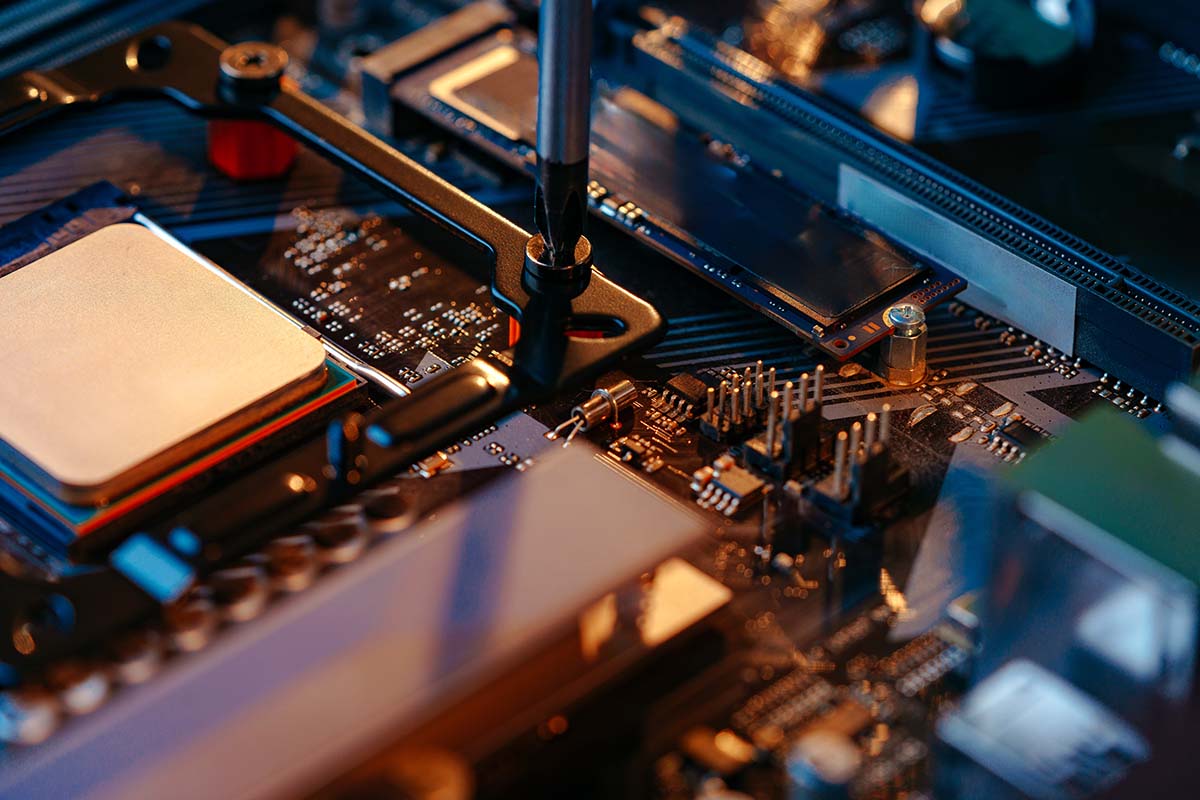
As countries around the world seek more resilient semiconductor supply chains, India has emerged as an increasingly important destination for investment, manufacturing, design, packaging, and talent development.
Japan’s leadership in semiconductor materials, equipment, and manufacturing expertise aligns closely with India’s ambition to become a major semiconductor hub.
The coming decade is likely to see deeper collaboration in semiconductor ecosystems, workforce development, research partnerships, and supply chain resilience. Success in this sector would strengthen economic security for both nations while supporting global technology industries.

The story of Japan and India is ultimately a story of confidence in each other.
For 75 years, the two nations have built a relationship based on trust, shared values, and a belief in long-term cooperation. Today, that partnership is stronger than ever.
As Asia continues to drive global growth, Japan and India are uniquely positioned to shape the future together—through investment, innovation, technology, healthcare, manufacturing, and people-to-people connections. The next chapter of the Japan-India partnership promises to be even more ambitious than the last.
If the past 75 years established the foundation, the decades ahead may well define one of the most important economic relationships of the 21st century.