

Leica places the photographer’s judgment at the center of every image. The German camera maker’s restrained design and enduring construction support an approach to photography in which observation, timing and individual expression matter. Since its introduction in 1954, the M-System has maintained a recognizable identity through profound changes in how photographs are made.
Japan brings a discerning audience to this philosophy, with a photographic culture attentive to both the finished image and the instrument used to create it. Leica’s relationship with the country offers a compelling view of how design, craftsmanship and personal attachment influence the experience of owning a camera.
Stefan Daniel has spent more than three decades helping develop the M-System, earning him the name “Mr. M.” In this interview with Bridges, Leica’s global senior brand representative considers what deserves to endure as cameras evolve and what Japan continues to teach the company. His reflections invite readers to consider how the camera they choose can influence the attention they give to everyday life.
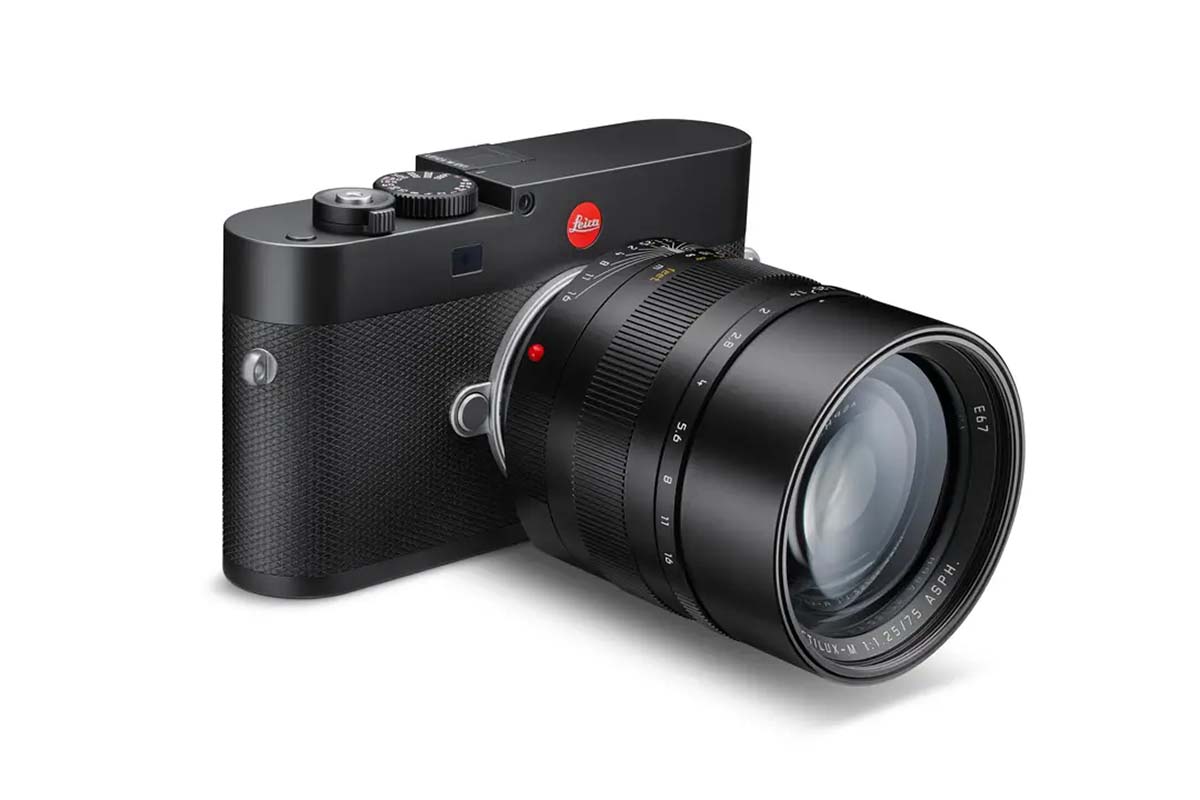
Bridges: The Leica M-System has maintained remarkable continuity and compatibility since 1954, while the red dot has become one of the most recognizable marks in design. In an era when many camera brands compete primarily on specifications, what does Leica believe a photograph—and the act of taking one—should feel like, and how is that philosophy built into each camera?
Daniel: Leica cameras and lenses are state-of-the-art in technology. But photography is for us not primarily about specifications, but about the conscious act of seeing and capturing a real moment. The photographer should remain in control of composition, timing, perspective and focus, while the camera supports this process without becoming a distraction.
This philosophy is reflected in our products through intuitive operation, reduction to the essentials, outstanding optics and precise engineering. Technology is integrated where it genuinely improves photographic experience, but it should remain largely in the background. The ideal Leica becomes an extension of the photographer’s eye: minimal interference from the camera, maximum involvement from the person behind it.
“The Leica experience begins when the camera becomes less important than what you are seeing. Take your time, observe, choose the frame and wait for the right moment.”
Stefan Daniel, Leica’s Global Senior Brand Representative

Leica continues to emphasize craftsmanship, longevity and restraint rather than following the industry’s constant race to add features. Could you share a recent product, material or manufacturing decision where Leica deliberately prioritized these values over speed or scale, and what trade-offs did that decision require?
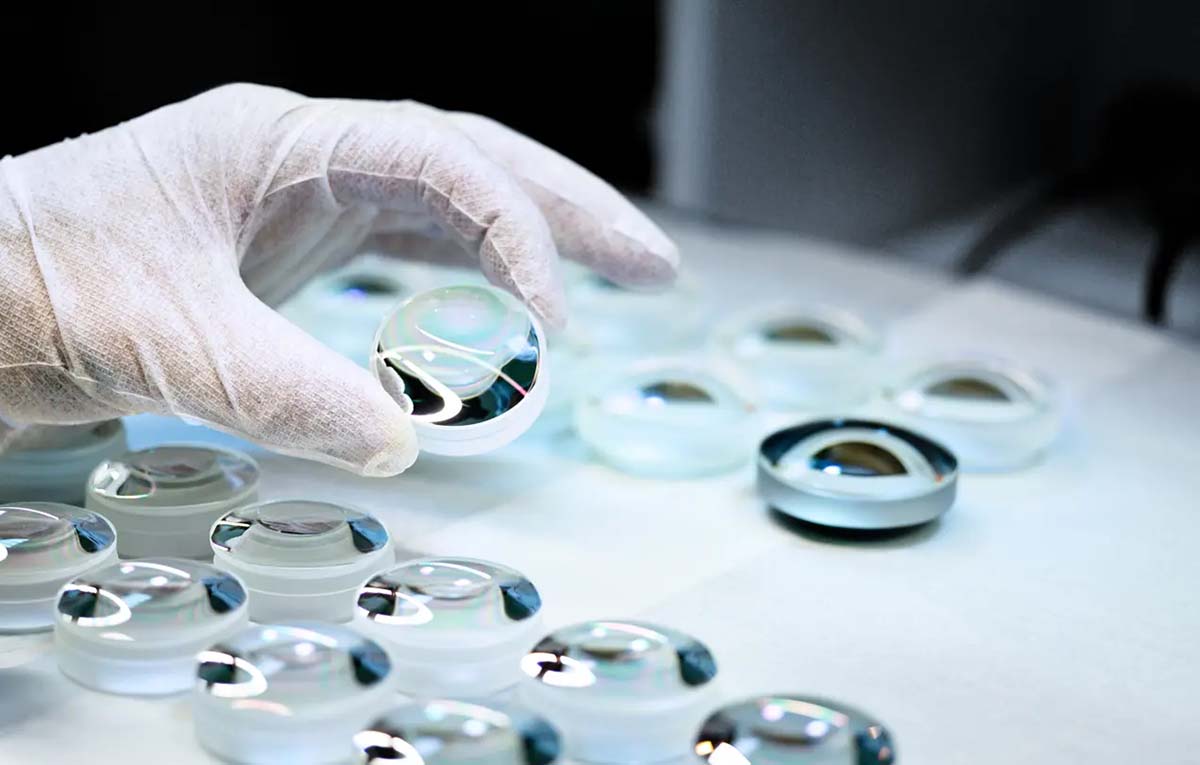
Longevity, reliability and the physical experience of using a Leica are fundamental to our products. A good example is the Leica M system itself. Every new system component, no matter if it is a camera or lens, needs to be compatible with product generations built in the past. For example, it is possible to use a 1932 lens on an M or SL camera built in 2026 with amazing performance. The result of this extreme longevity is great value retention. It of course limits the freedom for new developments but we create cameras and lenses that can accompany photographers for many years and, in many cases, for generations.
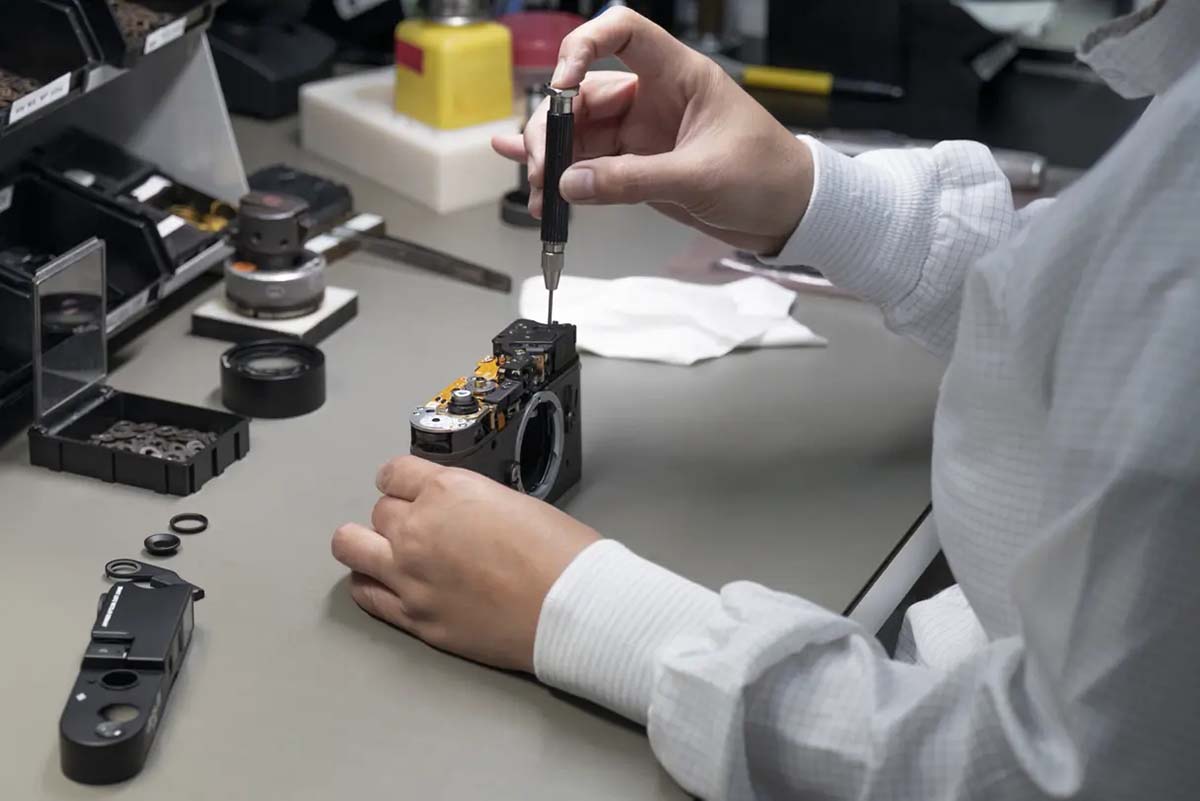
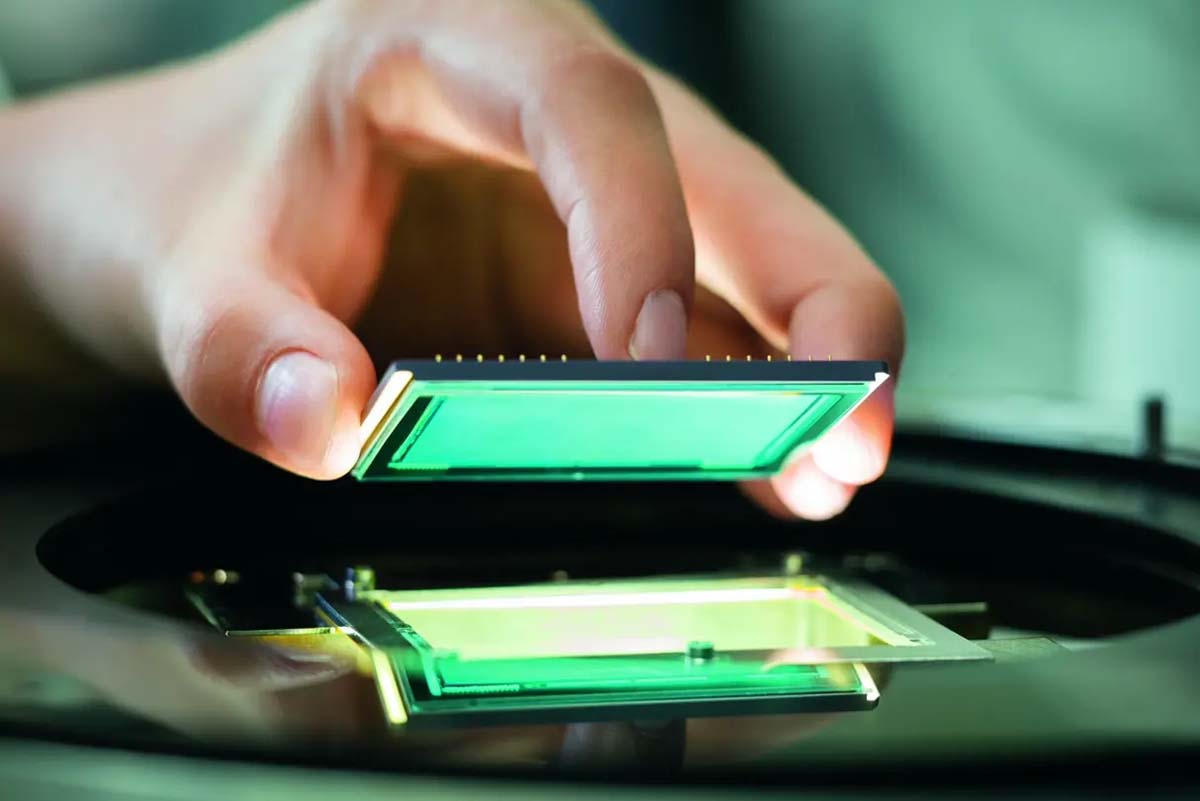
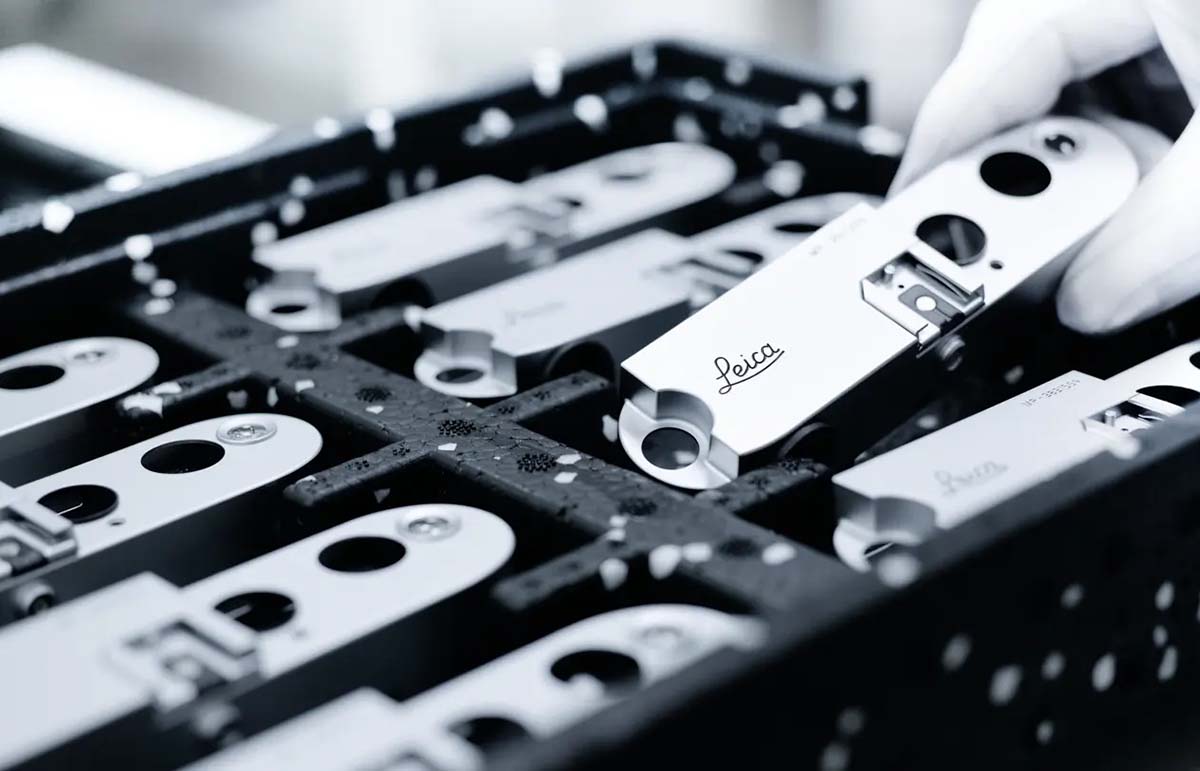
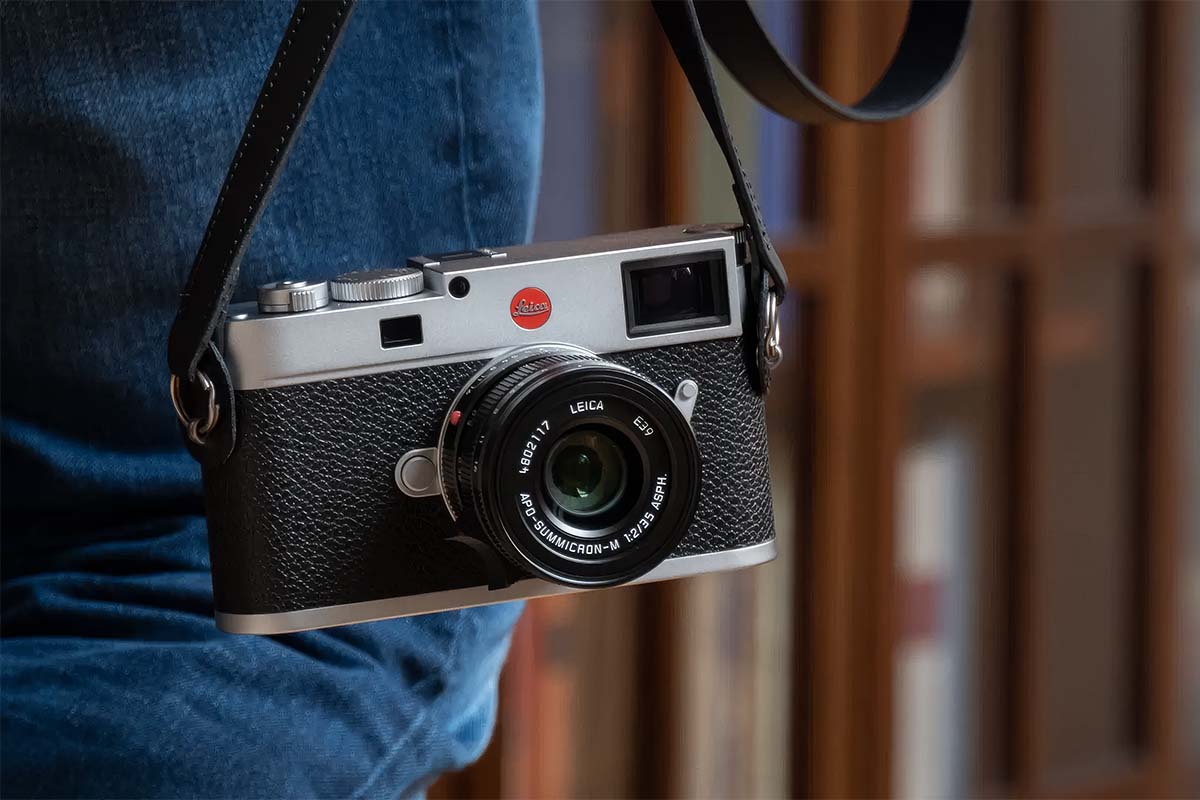
Japan has one of the world’s most devoted camera cultures, and Leica’s relationship with the country runs deep—from its Ginza presence to generations of Japanese photographers. How has Japan influenced Leica’s thinking about design and photography, and what does the company continue to learn from Japanese craftsmanship traditions?
Japan has always been a very important market for Leica, not only commercially but also culturally. The Leica Store Ginza, opened in 2006 as our first Leica Store worldwide, reflects this long and close relationship.
There is a strong appreciation in Japan for precision, craftsmanship, reduction and products that are designed to last. These values are very close to Leica’s own philosophy. At the same time, Japanese photographers have a distinctive and highly developed photographic culture. The dialogue with our customers and photographers in Japan continues to teach us that technical perfection alone is not enough: design, tactile experience, attention to detail and the emotional relationship between a person and a product are equally important.
For someone who has never picked up a Leica, what is the one experience—a photograph taken or a moment deliberately slowed down—that you would want them to have during their first week with one?
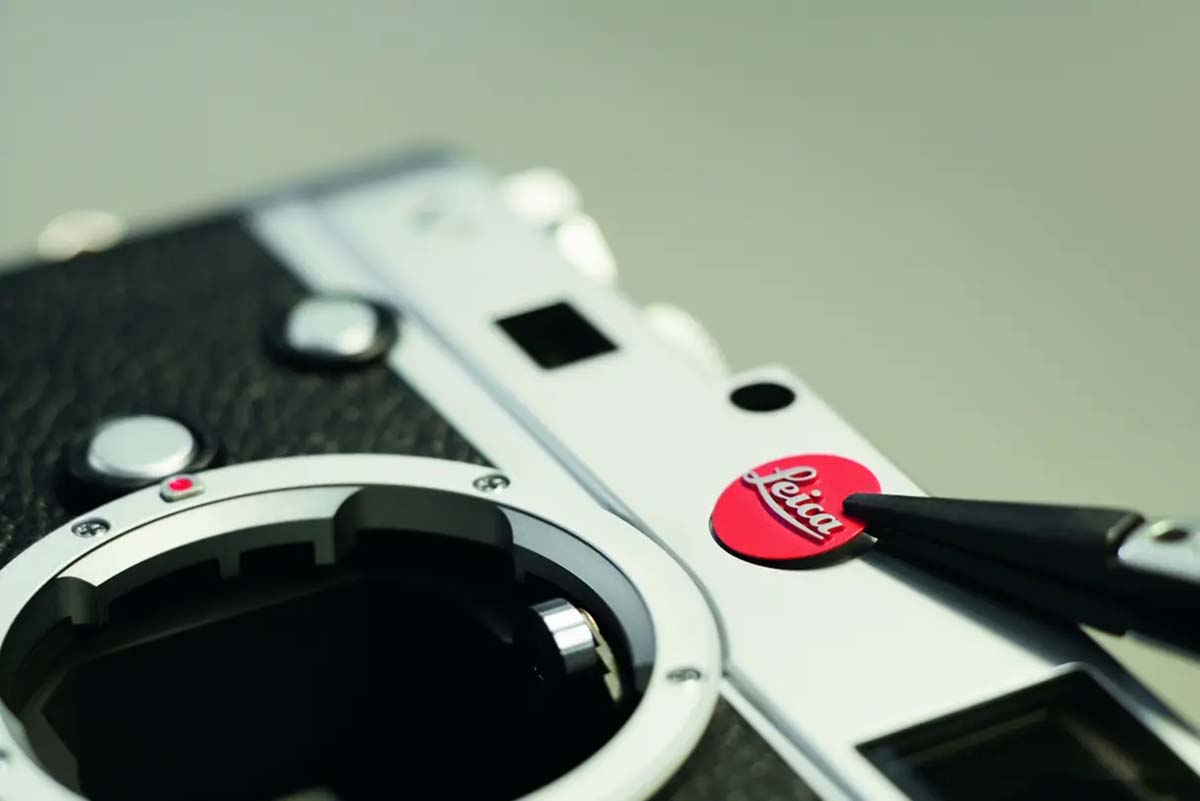
It is hard to limit it to only one experience. For many first-time users, the first excitement happens even before taking the first picture. The feel of mechanical perfection, the cold metal, the weight impresses. Pressing the release button creates a solid sound. I encourage everyone new to Leica not to start by exploring every function, but simply to take the camera and photograph something familiar: their family, their neighborhood or an ordinary moment in everyday life.
The Leica experience begins when the camera becomes less important than what you are seeing. Take your time, observe, choose the frame and wait for the right moment. If, after a week, the camera has made you look at familiar things more consciously and perhaps discover something you had previously overlooked, then it has already done something very important.