

As Kazakhstan strengthens its position as a strategic gateway between Europe and Asia, the Chamber of International Commerce of Kazakhstan continues to play a key role in advancing international trade, investment, and cross-border cooperation. Under the leadership of Chairman Mr. Murat Karimsakov, the Chamber works closely with global partners to expand Kazakhstan’s international business ties and support new opportunities across Eurasia. In this interview with Bridges Kazakhstan, Mr. Karimsakov discusses the future of Kazakhstan–Japan cooperation and the sectors driving the next phase of bilateral growth.
Bridges: Could you introduce the Chamber of International Commerce of Kazakhstan and explain how it contributes to the development of international business cooperation and the attraction of foreign investment into the country?
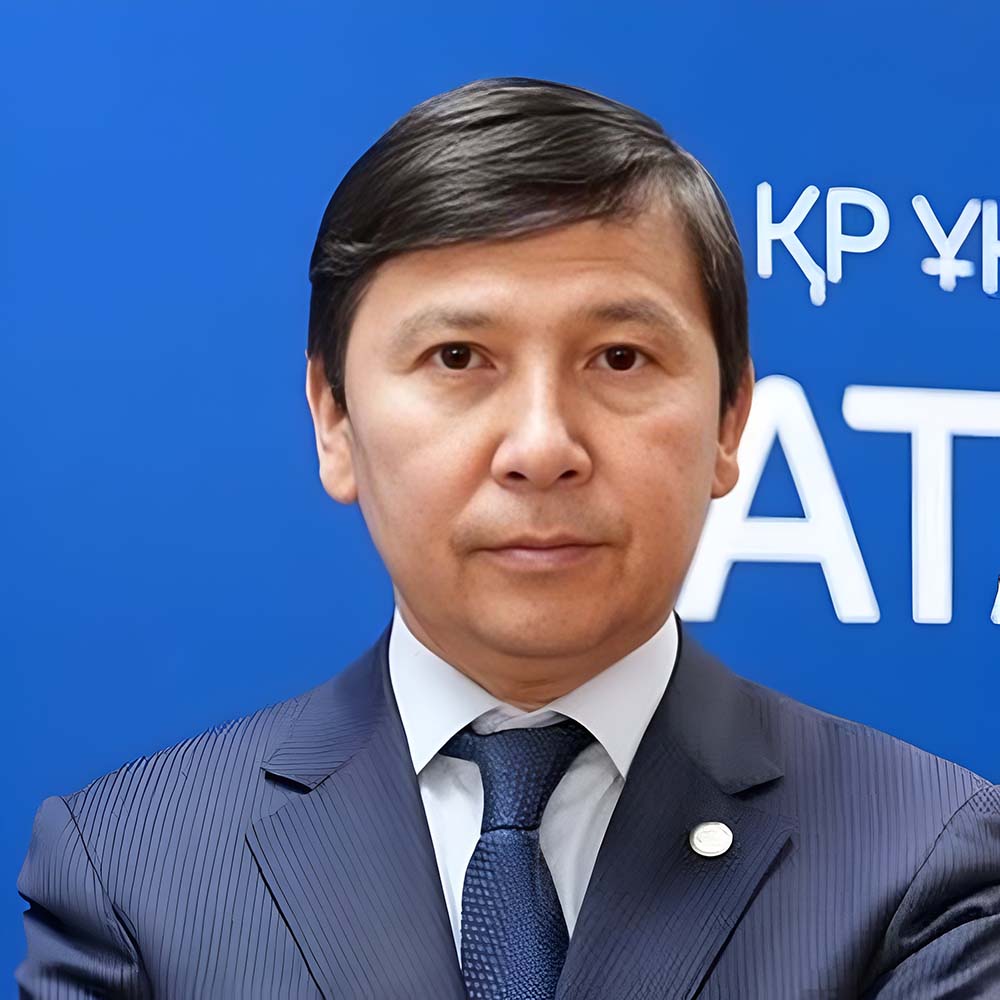
Karimsakov: The Foreign Trade Chamber of Kazakhstan is a subsidiary of the National Chamber of Entrepreneurs of the Republic of Kazakhstan “Atameken” and serves as one of the country’s key institutions supporting international trade and economic cooperation.
Our mission is to help Kazakhstani companies enter foreign markets, attract investment, and create effective platforms for cooperation between Kazakhstan’s business community and international partners. We act as a bridge between government institutions, private businesses, and international organizations by helping companies identify reliable partners, implement joint projects, and expand their foreign economic activities.
The Chamber is a member of the International Chamber of Commerce (ICC) and the World Chambers Federation (WCF), networks that collectively represent millions of companies worldwide. Through these organizations, Kazakhstani businesses gain access to international expertise, global business communities, and new markets.
One of our most effective tools is the network of bilateral Business Councils operating within intergovernmental commissions. We organize business forums, trade missions, B2B meetings, and investment events that connect entrepreneurs directly with potential partners and investors.
Attracting foreign investment is also a key priority. The Chamber supports investment projects, facilitates connections between international investors and local businesses, and works closely with diplomatic missions, government agencies, and industry associations to foster long-term economic partnerships.
Kazakhstan and Japan have built a strong partnership over many years. From the Chamber’s perspective, which areas of economic and trade cooperation between the two countries hold the greatest potential today?
Kazakhstan and Japan share a long-standing strategic partnership based on mutual trust, technological cooperation, and shared interests in sustainable development. Today, we see strong potential across both traditional and emerging sectors.
One of the most promising areas is critical minerals. Kazakhstan possesses substantial reserves of rare earth elements and strategic minerals essential for batteries, electronics, electric vehicles, and other high-tech industries. Beyond extraction, there is considerable potential for joint ventures focused on advanced processing and sustainable value-added supply chains.
Energy remains another major area of cooperation. Kazakhstan is interested in attracting Japanese technologies and investment for renewable energy, hydrogen technologies, industrial decarbonization, energy efficiency, and the modernization of energy infrastructure. Additional opportunities exist in peaceful nuclear energy, where Kazakhstan offers significant resources and Japan contributes advanced technologies and expertise in nuclear safety.
“Our mission is to help Kazakhstani companies enter foreign markets, attract investment, and create effective platforms for cooperation between Kazakhstan’s business community and international partners.”
Murat Karimsakov, Chairman of the Board, Chamber of International Commerce of Kazakhstan
We also see substantial potential in manufacturing, industrial automation, mining, and logistics infrastructure. Kazakhstan plays a key role in the Trans-Caspian International Transport Route, or Middle Corridor, connecting Asia and Europe. Japanese expertise in railway systems, logistics digitalization, port infrastructure, and supply chain management is highly relevant to these developments.
At the same time, cooperation in the digital economy, artificial intelligence, and innovation is becoming increasingly important. Kazakhstan is actively developing a modern technological ecosystem and is interested in leveraging Japanese experience in digital transformation, industrial AI, data centers, and high-tech startups.
We believe the next stage of Kazakhstan–Japan cooperation will be driven not only by trade and investment, but also by joint high-tech projects, production localization, and innovative solutions targeting wider Eurasian markets.
As Kazakhstan strengthens its position as a regional hub connecting Europe and Asia, which opportunities should Japanese companies and investors pay particular attention to today?
As Kazakhstan expands its role as a transport, manufacturing, and investment hub in Eurasia, new opportunities are emerging for Japanese businesses beyond traditional resource-based cooperation.
A key area is the development of the Middle Corridor, which is becoming one of the most important transport links between Asia and Europe. This creates opportunities for Japanese companies in railway modernization, logistics infrastructure, multimodal transportation, digital supply chains, and engineering solutions.
Another important opportunity lies in the deep processing of critical minerals. Kazakhstan possesses significant reserves of raw materials required for semiconductors, batteries, and electronics, creating strong potential for joint ventures focused on processing, technology transfer, and high-value-added production.
The energy transition and green economy also present major opportunities. Kazakhstan is investing heavily in renewable energy, energy efficiency, carbon reduction, and infrastructure modernization. Japanese companies bring valuable expertise in hydrogen technologies, energy storage systems, industrial decarbonization, and environmental solutions.
“We act as a bridge between government institutions, private businesses, and international organizations by helping companies identify reliable partners, implement joint projects, and expand their foreign economic activities.”
At the same time, Kazakhstan is rapidly developing its digital economy, including artificial intelligence, data centers, and digital services infrastructure. Japanese businesses can use Kazakhstan not only as a local market, but also as a platform for serving the wider Central Asian region.
Importantly, Kazakhstan is evolving into both a transit hub and a manufacturing platform serving Central Asia, the Caucasus, the Middle East, and Europe. As a result, production localization and export-oriented industrial cooperation may become especially attractive for Japanese investors.
Looking ahead, what role do you believe the Chamber will play in advancing Kazakhstan’s international partnerships, and what message would you like to convey to Japanese companies interested in expanding their presence and cooperation with Kazakhstan?
The role of the Foreign Trade Chamber of Kazakhstan will continue to expand in the coming years. Our mission goes beyond organizing business events — we aim to build a sustainable ecosystem of international cooperation connecting businesses, government institutions, and global partners around shared economic goals.
The Chamber will continue supporting investment projects, organizing Business Councils and business forums, and facilitating direct B2B cooperation. Particular attention will be given to industrial cooperation, innovation, logistics, digital transformation, and sustainable development.
We also plan to strengthen partnerships with international chambers of commerce, business associations, and investment institutions to create additional opportunities for Kazakhstani companies abroad while attracting high-quality foreign investment into the country.
For Japanese businesses, Kazakhstan offers far more than access to natural resources. We offer opportunities to participate in new industrial value chains, transport and logistics corridors linking Europe and Asia, and projects involving critical minerals, the energy transition, digital technologies, and high-tech manufacturing.
Kazakhstan can serve not only as a domestic market, but also as a strategic platform for the broader Central Asian and Eurasian regions. We highly value the Japanese approach to business, particularly its emphasis on long-term planning, quality, and trust.
My message to Japanese companies is simple: now is the right time to expand your presence in Kazakhstan. The country continues to improve its investment climate, modernize infrastructure, and integrate into global supply chains. We are open to new technologies, ideas, and long-term partnerships, and we are ready to support investors interested in building sustainable cooperation for the future.