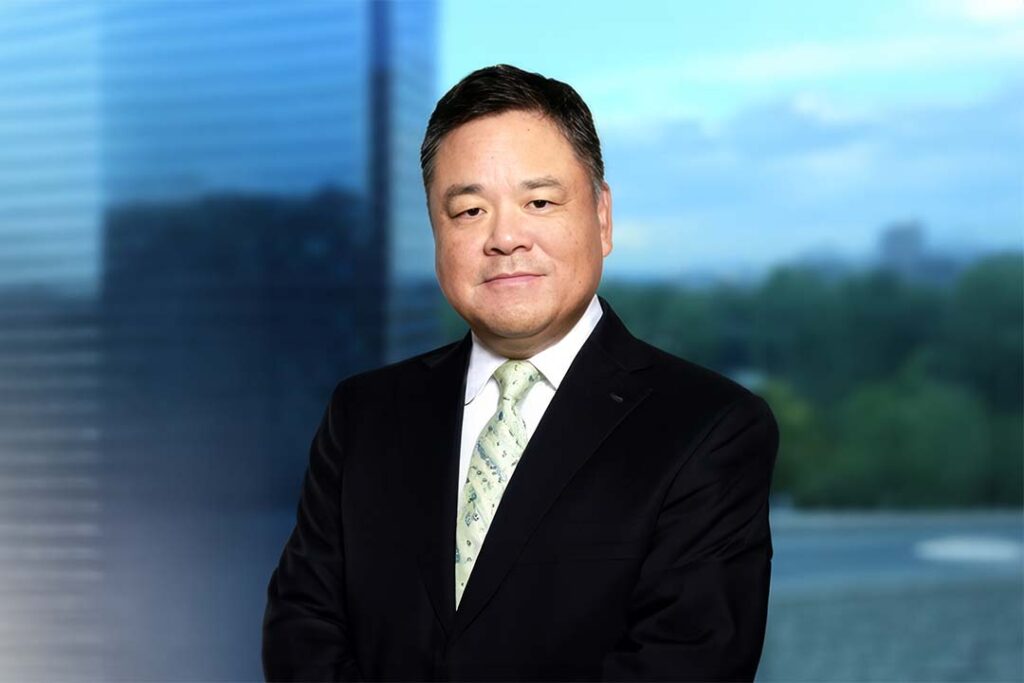

Beginning his term as president of the Japanese Chamber of Commerce & Industry, Singapore, as Singapore and Japan mark SJ60, the 60th anniversary of diplomatic relations, Daisuke Kakihara brings a practical lens to the next phase of bilateral business engagement. His focus is on strengthening JCCI’s role as a trusted partner for Japanese companies facing more complex demands in talent, governance, market development and daily operations. Kakihara discusses how the chamber can support Japan-linked businesses through stronger networks, policy dialogue and regional collaboration across Singapore and ASEAN, while helping advance opportunities in infrastructure, energy, logistics, digital technology, AI and decarbonization.
Bridges: As you begin your term as President during the SJ60 milestone period, what is your vision for the next chapter of Japan–Singapore business ties and what outcomes would you most like JCCI to help deliver over the next one to two years?
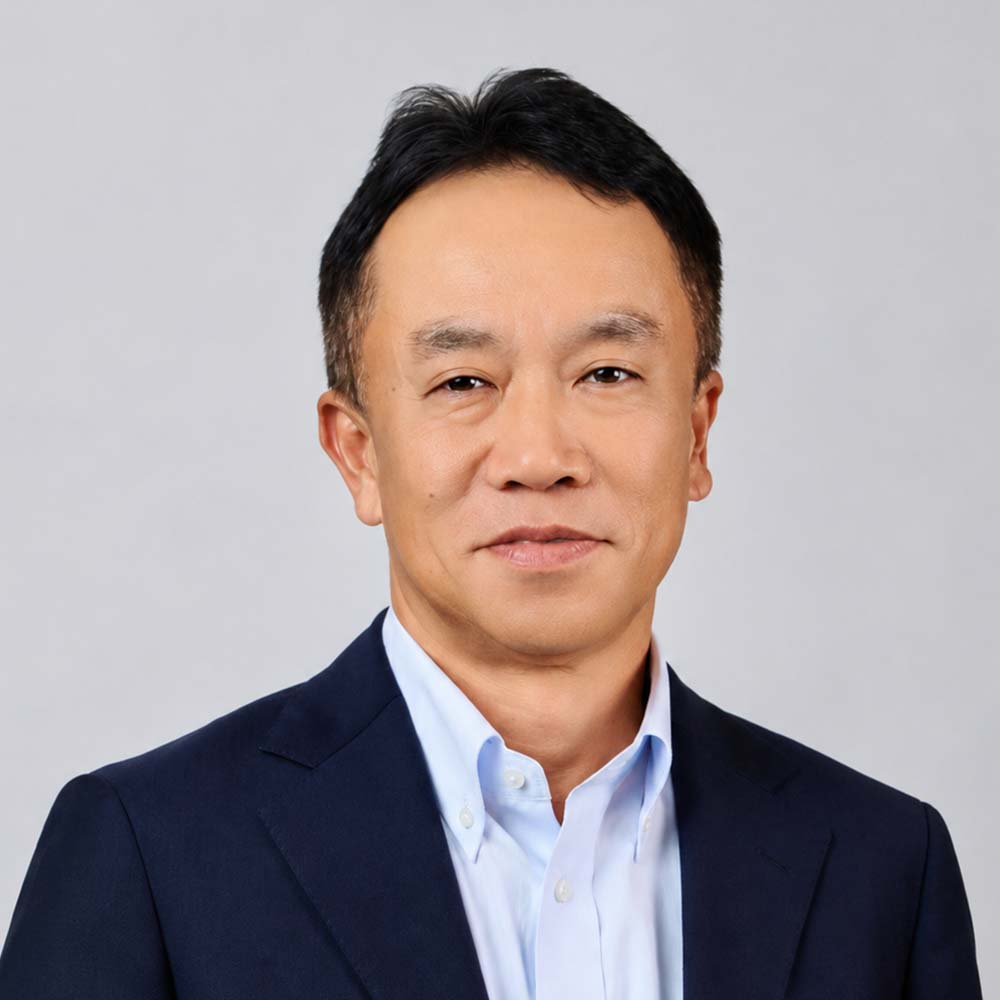
Kakihara: SJ60 is both a moment to reflect on the deep bonds of trust built between Singapore and Japan over the past sixty years, and a new point of departure toward the next sixty. Looking ahead, I believe the business relationship between our two countries must move beyond a simple base-of-operations dynamic toward something more practical and strategic — addressing increasingly sophisticated management challenges, adapting to a more diverse talent and governance landscape, and generating value in an intensely competitive global environment.
Within that context, JCCI’s priorities over the next one to two years centre on four outcomes: becoming the organisation members turn to first when they face a challenge; strengthening our capacity to provide practical, actionable information and management consultation; expanding the member network to create new business opportunities; and amplifying the voice of Japanese companies in dialogue with the government and relevant authorities. Through these efforts, we aim to evolve JCCI into an organisation that delivers genuinely tangible support.
Where do you see the most promising areas for Japan–Singapore collaboration over the next three to five years, and how can JCCI best catalyze concrete partnerships and co-creation between Japanese companies and Singapore’s wider ecosystem, including across ASEAN?
Over the next three to five years, I believe Singapore–Japan collaboration must be viewed through a broader lens — one that encompasses not just the bilateral relationship but ASEAN. The most promising areas, in my view, are those that combine multiple domains to generate new value: complex, integrated projects spanning infrastructure, energy, and logistics; the application of digital technologies and AI; and sustainability and decarbonisation. Singapore will continue to play a pivotal role as a hub for policy, finance, technology, and innovation — and as a gateway for deployment across the wider ASEAN region.
In this context, JCCI’s role is to serve as a catalyst for concrete co-creation: connecting Japanese companies with partners in Singapore and across ASEAN, fostering partnerships through our industry group activities and exchange programmes, providing policy and business environmental support through public-private dialogue, and enabling broader replication by sharing successful case studies.
“SJ60 is both a moment to reflect on the deep bonds of trust built between Singapore and Japan over the past sixty years, and a new point of departure toward the next sixty.”
Daisuke Kakihara, President of the Japanese Chamber of Commerce & Industry, Singapore
JCCI engages in dialogue with Singaporean, Japanese, and ASEAN stakeholders. In 2026, how can the Chamber most constructively strengthen the operating environment for Japan-linked companies, and where are you most optimistic about making progress through that dialogue?
In 2026, improving the operating environment for Japan-linked companies requires two elements working in tandem: responding to the practical, on-the-ground challenges companies face, and ensuring that those voices are properly reflected in policy dialogue. In practice, the issues our member companies raise most frequently — talent acquisition, HR and labour matters, governance, market development, and business operations — are becoming more complex each year.
JCCI’s approach therefore focuses on three areas: aggregating member concerns and communicating them effectively to the government; enhancing our information provision and seminar offerings to address real operational needs; and deepening dialogue with chambers of commerce in other countries and with government agencies. I am particularly optimistic about making constructive progress in HR and labour-related frameworks, the regulatory and operational aspects of the broader business environment, and the practical dimensions that directly support day-to-day business activity.
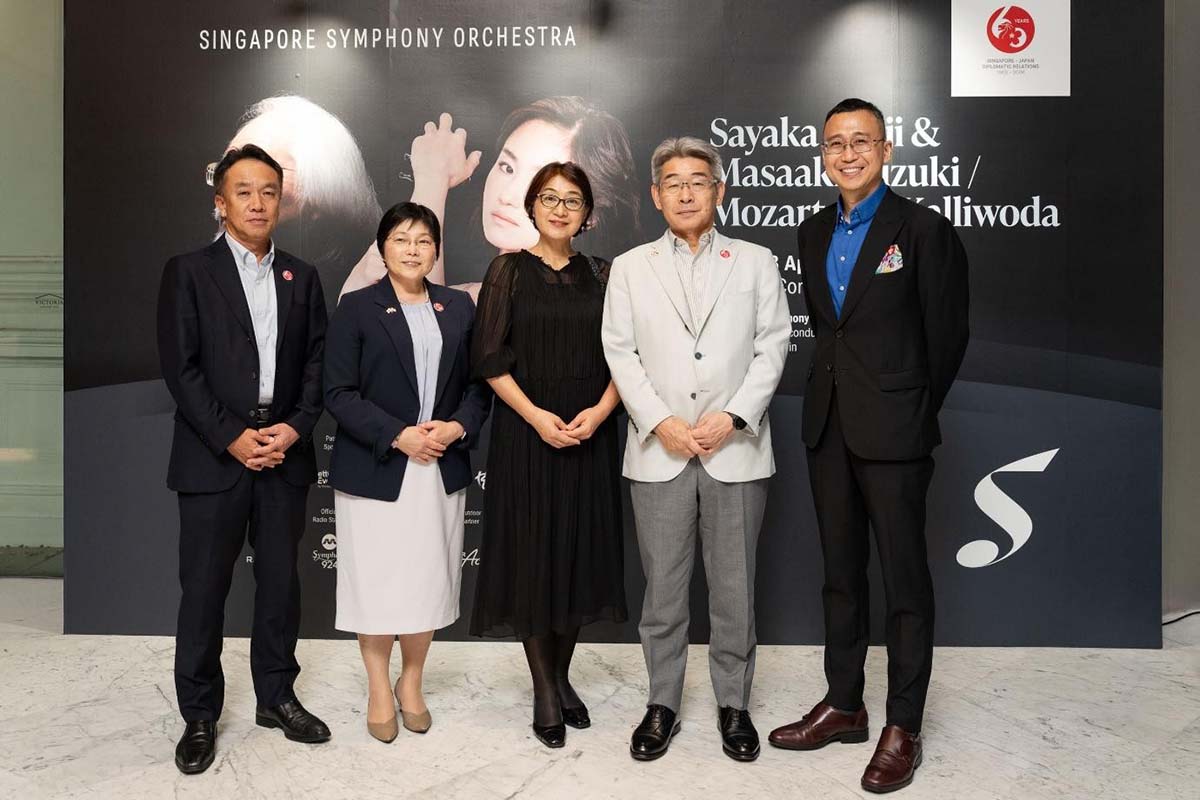
SJ60 also highlights how business strengthens the broader relationship. Looking across the Japanese business community in Singapore, what contributions are most important to recognize during SJ60, and how will JCCI deepen people-to-people ties through community engagement, talent development, and next-generation connections?
SJ60 is an important occasion to reaffirm the role the Japanese business community has played over the decades. Three contributions stand out in particular: our sustained contribution to Singapore’s economic development; our role in building social foundations through employment and talent development; and our function as a bridge underpinning the trust between our two countries.
Looking ahead, JCCI intends to deepen human connections in several ways: expanding exchange programmes among members; creating opportunities to develop young talent and next-generation leaders; promoting educational and cultural exchange; and encouraging greater participation from people of diverse backgrounds. Through these efforts, we aim to build a relationship that carries forward — not only in business terms, but in its human foundations — into the next generation.