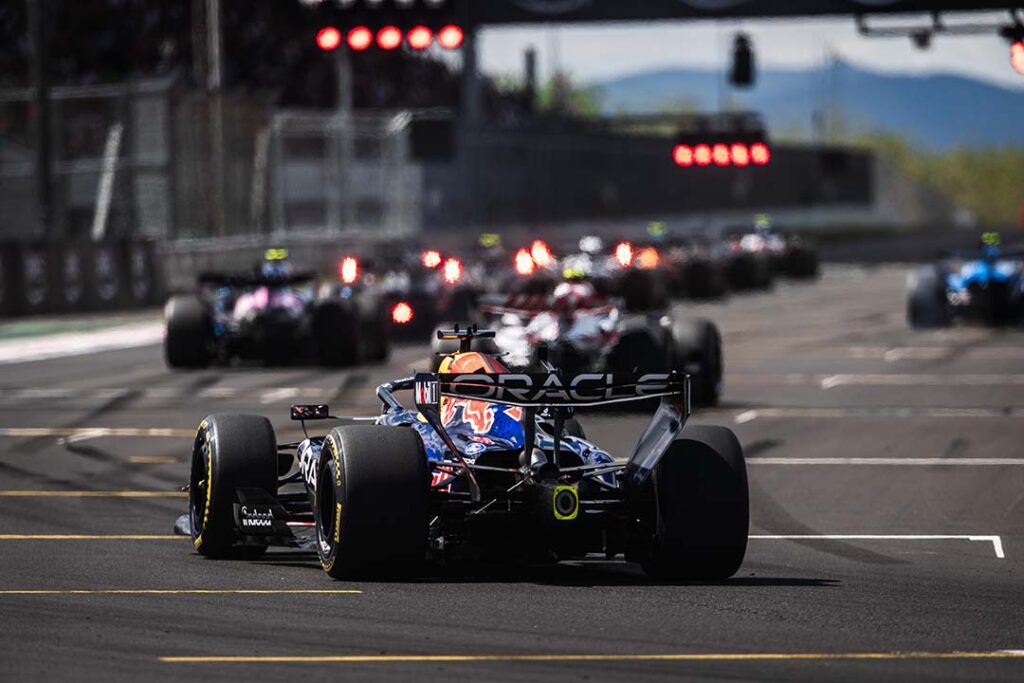

0.196 seconds. That was all that separated George Russell and Max Verstappen as they crossed the finish line at the 2026 Azerbaijan Grand Prix. A race that started quietly was flipped on its head by a Safety Car.
Though this is Baku after all, a Grand Prix where the unexpected is the only thing you should expect. This year, the unexpected came before the lights even went out. In honor of Azerbaijan’s Memorial Day, Formula 1 held its Grand Prix on a Saturday, bringing the sport to the streets of Baku a day earlier than usual.
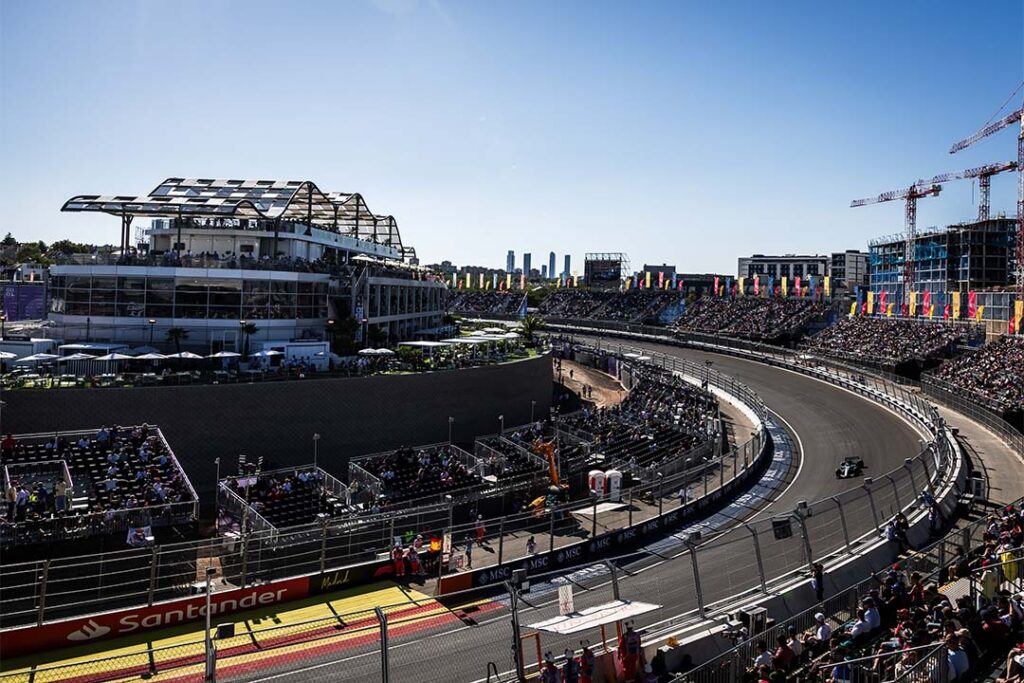
The city itself has become part of the Formula 1 experience, with the circuit weaving through its modern skyline, historic Old City and waterfront.
Where F1 meets the city
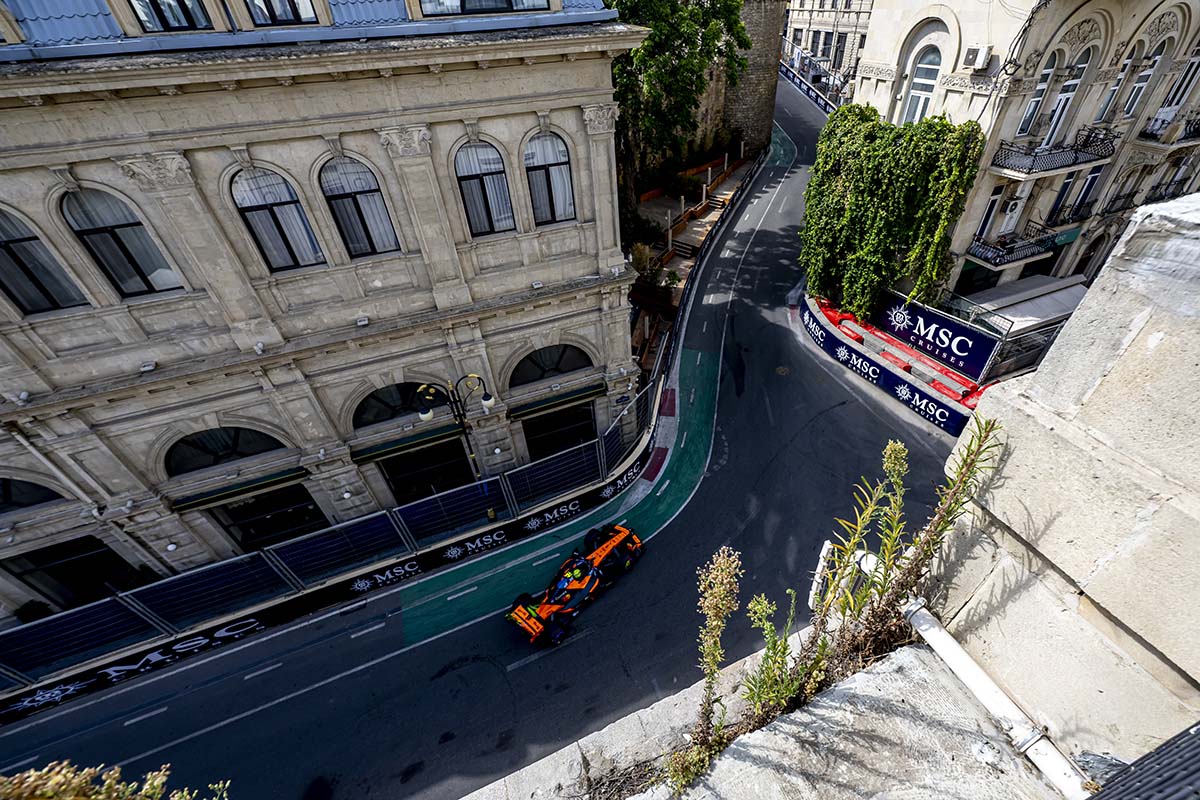
The Baku City Circuit is one of those tracks where you know you’re going to get a thrilling weekend. It demands absolute precision, with the smallest mistake capable of sending a car into the barriers, while its mix of high-speed sections and tight corners leaves very little room for error. Running 6.003 kilometers around the streets of Azerbaijan’s capital, the anti-clockwise street circuit is one of the most unique on the Formula 1 calendar.
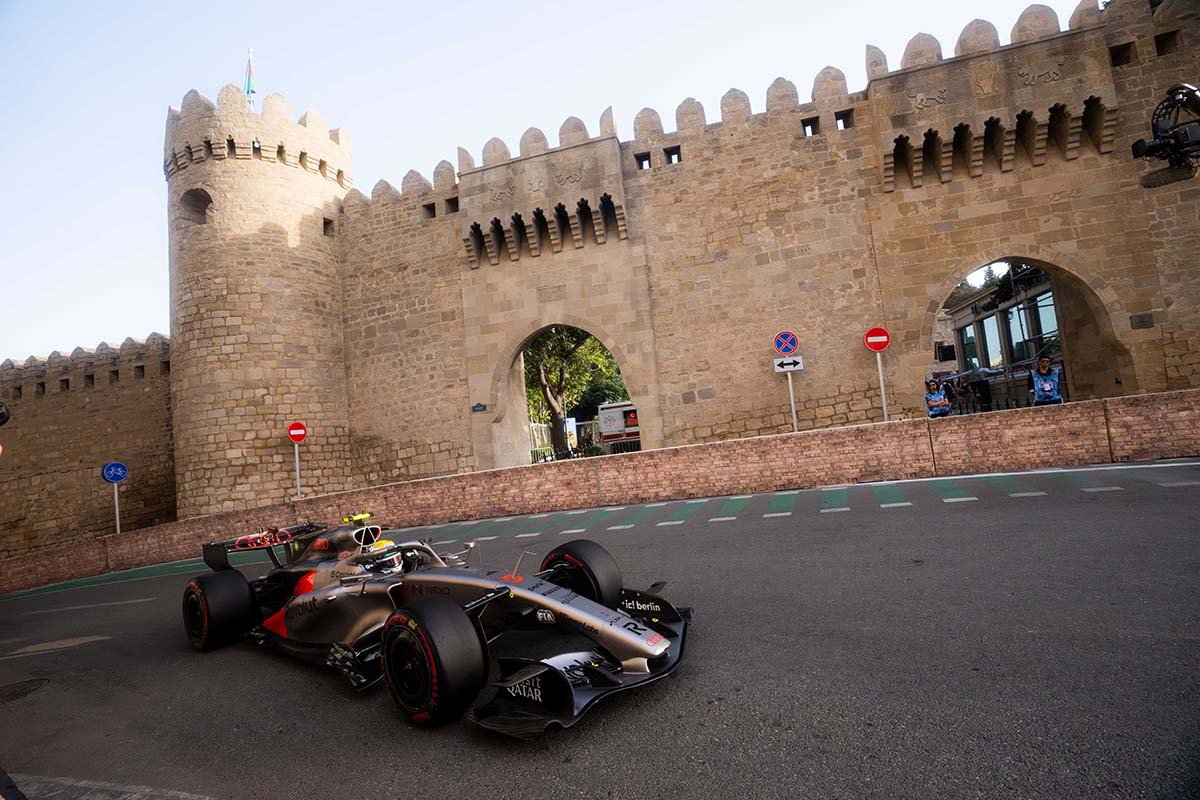
Baku’s defining feature is the contrast between its two extremes. The circuit has the longest straight on the F1 calendar, stretching 2.2 kilometers along the waterfront, where three cars can run side-by-side before heading into the tighter sections of the track. Then comes the Castle Section, where the circuit narrows as cars squeeze past the medieval walls of Baku’s 12th-century Old City. Around the circuit, medieval architecture and Soviet-era buildings sit alongside modern high-rises overlooking the Caspian Sea, creating a backdrop that adds to Baku’s uniqueness in Formula 1.
For all of Baku’s history and spectacle, though, the 2026 race itself took a while to find its rhythm.
The slow buildup to chaos
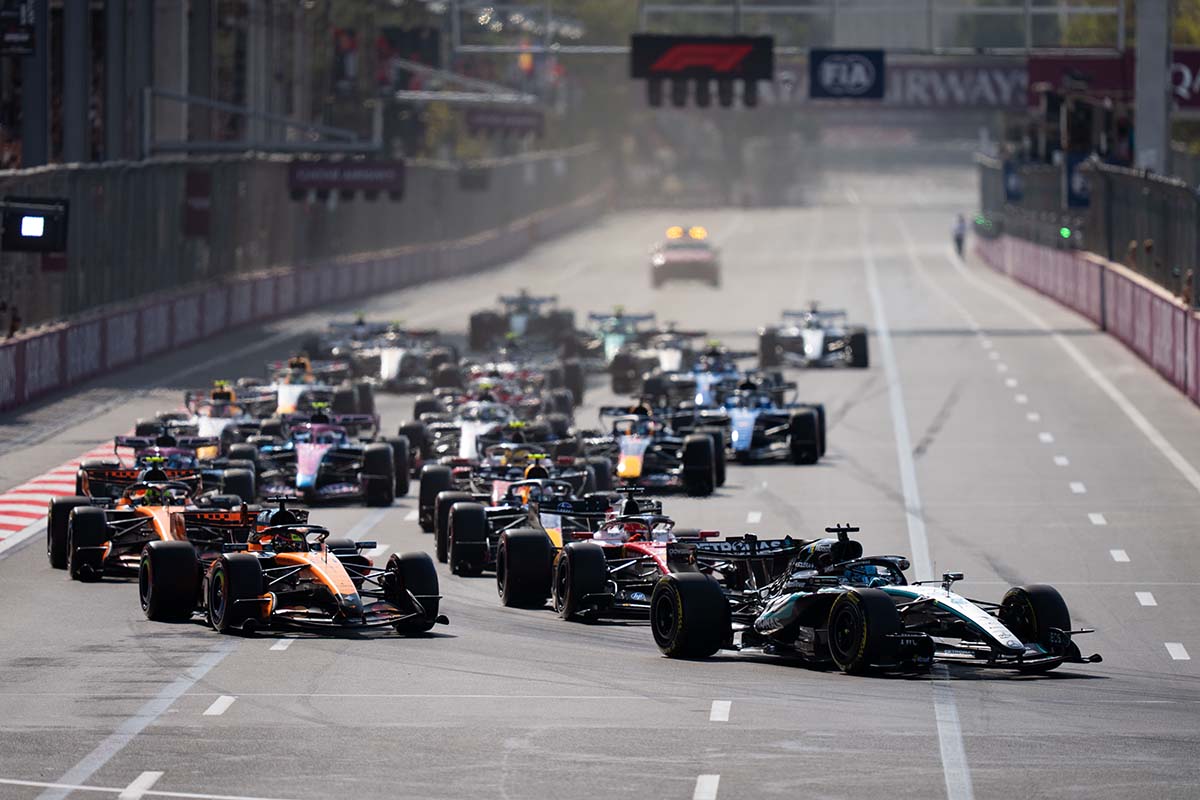
A much-anticipated Saturday race, with F1 fans expecting chaos from the get-go, turned out to be a bit of a slow burn, especially in the first half. But then it all changed when Williams driver Alex Albon went into the barriers, triggering a full Safety Car.
What followed was absolute chaos. When racing resumed, the two Alpine drivers, Argentina’s Franco Colapinto and France’s Pierre Gasly, collided, with the incident also taking out reigning world champion Lando Norris. Behind them, the two Racing Bulls, New Zealand’s Liam Lawson and English rookie Arvid Lindblad, touched and sent Lawson into a spin.
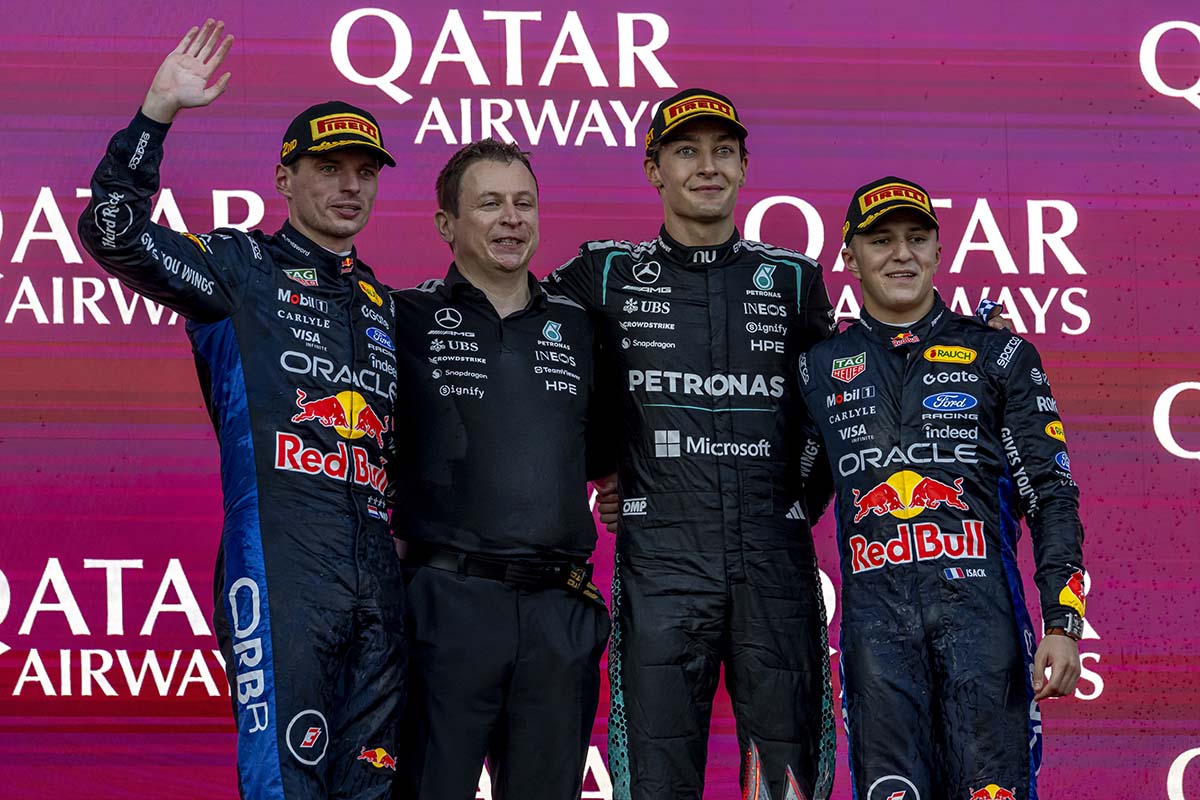
Meanwhile, at the front of the field, the battle to the finish was fierce between Max Verstappen and George Russell. By the last lap, Verstappen was just 0.196 seconds behind Russell as they crossed the finish line, marking the closest winning margin in F1 since 2002. When the checkered flag fell, Russell claimed the top step of the podium, with Verstappen in P2 and his Red Bull teammate Isack Hadjar in P3.
Reflecting on the race, Russell said: “It’s been an incredible weekend and probably one of the strongest of my career so far. I really enjoyed that race and that final stint was some of the most fun I’ve had in a Formula One race.”
Baku may have taken its time to come alive, but once it did, there was no shortage of drama.
A Saturday worth remembering
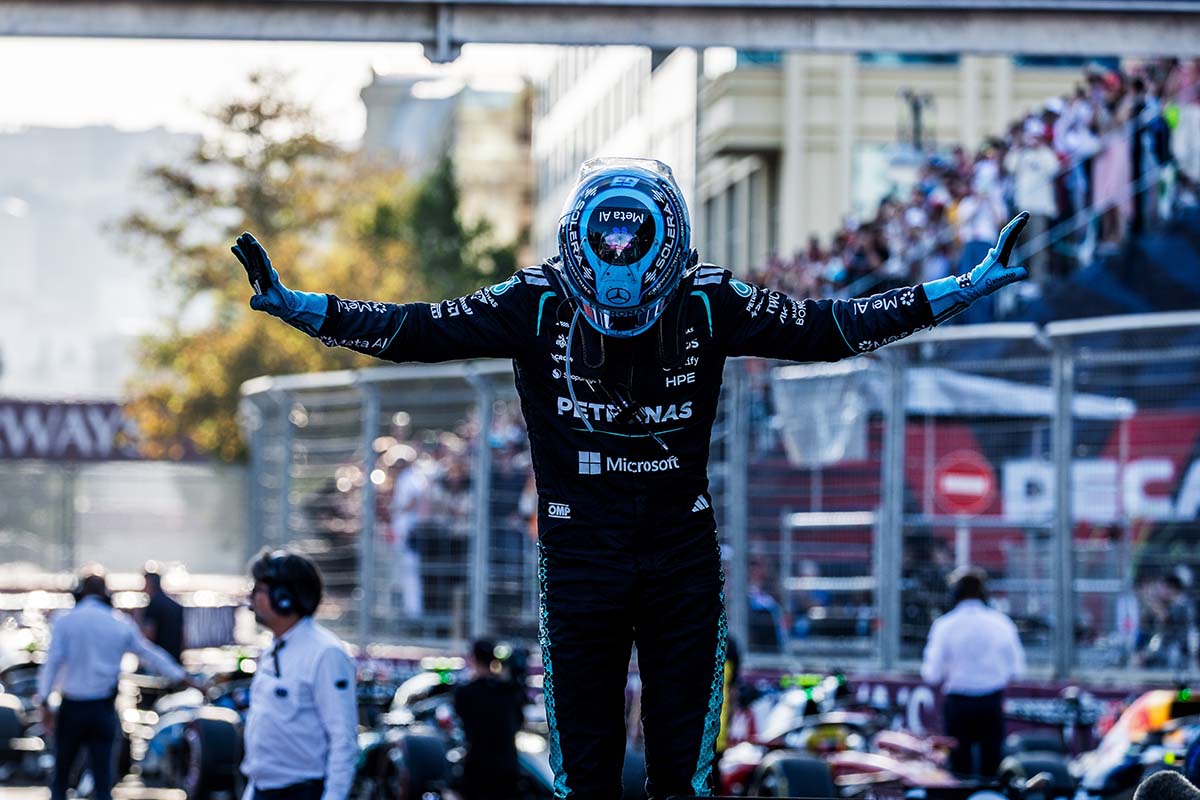
Baku may have started slowly, but it left its mark on the championship. Kimi Antonelli remains at the top of the standings, while George Russell’s victory has closed the gap to 66 points. With eight Grands Prix and a Sprint still to come, the title fight is far from over.
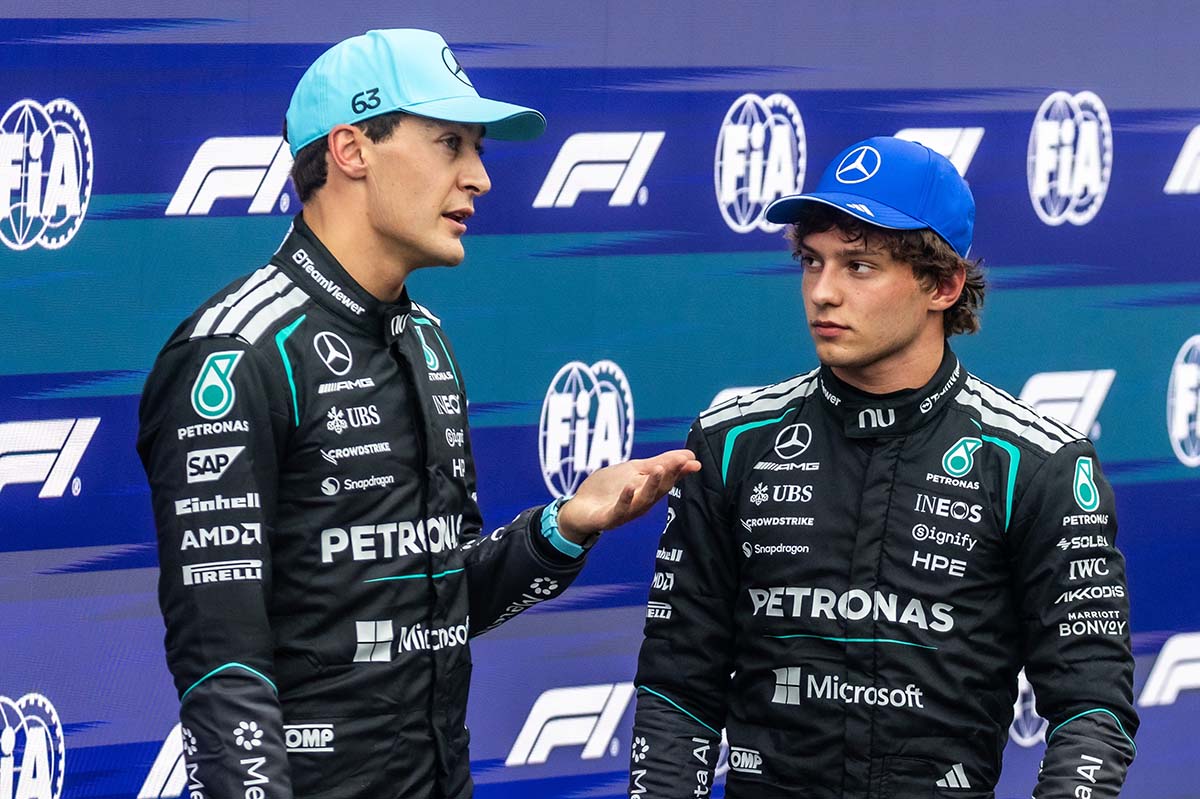
After a Saturday Grand Prix filled with unexpected turns, Formula 1 now heads to Malaysia for the return of the Sepang International Circuit. The season is entering its final stretch, and every point will matter as the battle for the title continues.
Baku’s story is done for the year, while a new one awaits in Sepang. And if the Azerbaijan Grand Prix was any indication, the final chapters of the season could be some of the most exciting yet.