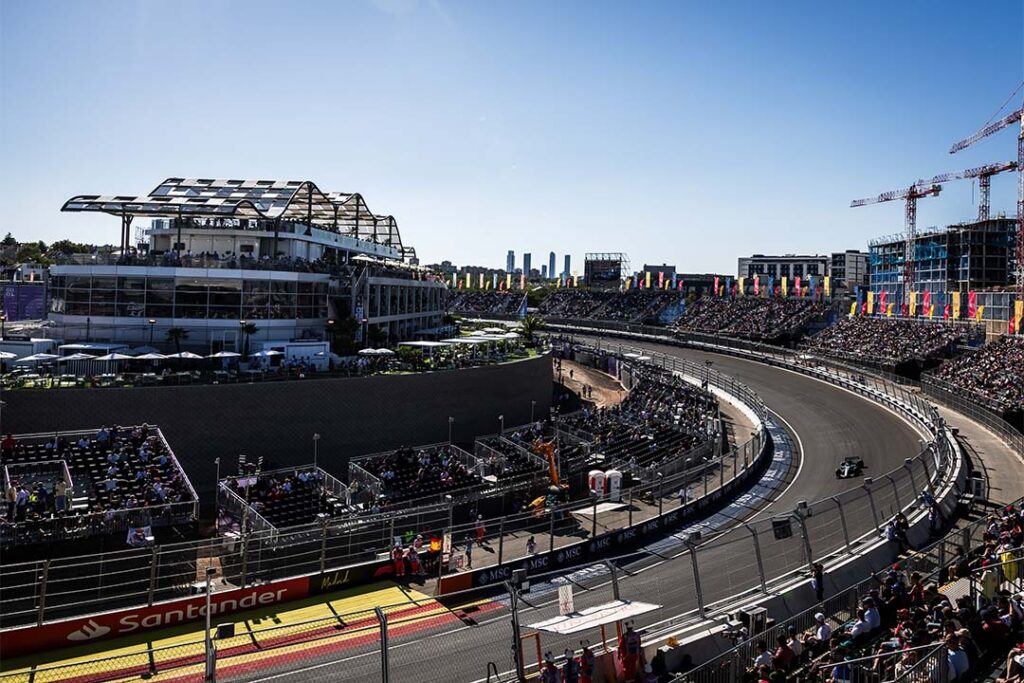

When a Formula 1 driver wins the world championship, all eyes are on them, especially in the following season when they carry the title of “reigning world champion.” This year was no exception. Every race weekend came with the same questions surrounding Lando Norris. Would he win the opening race? Would McLaren continue their championship-winning form? Could they defend both the Drivers’ and Constructors’ crowns?
For months, those questions were met with silence. At the halfway point of the 2026 season, Lando Norris and McLaren were still searching for their first victory as reigning champions.
This weekend at the Hungarian Grand Prix, they finally had an answer.
Setting the stage in Budapest
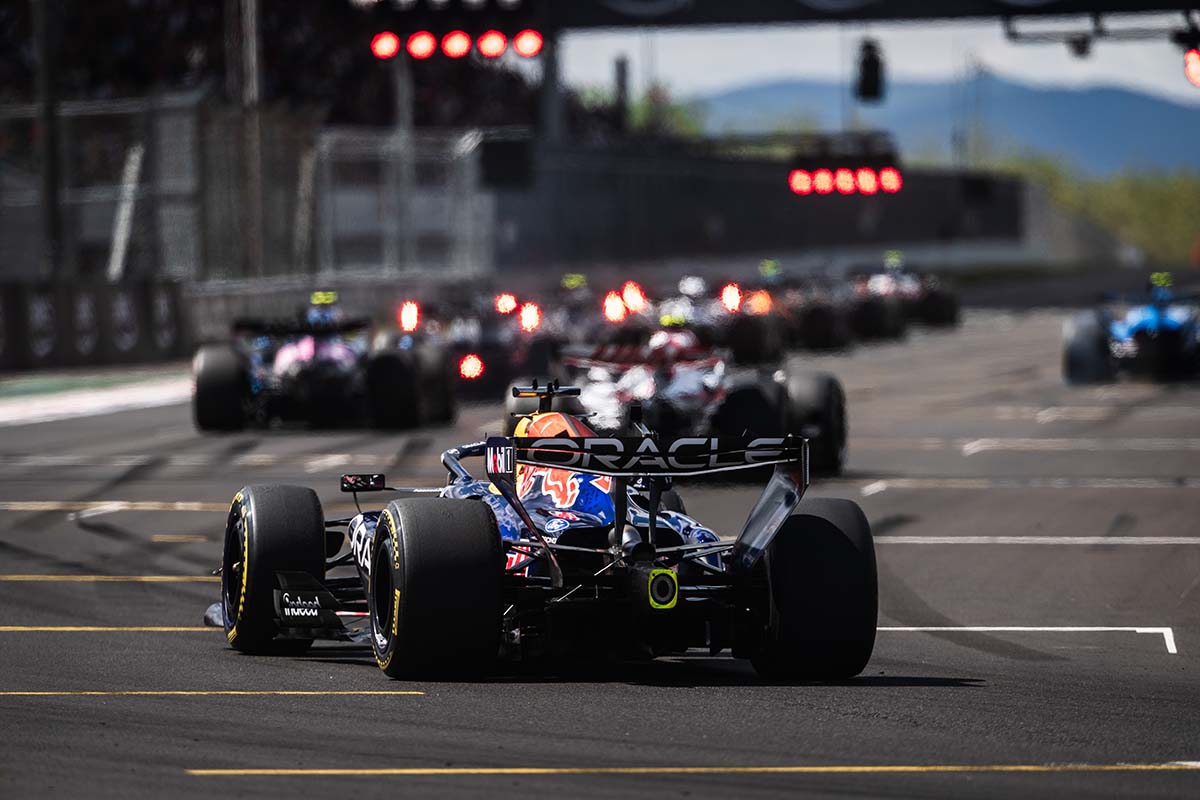
Few circuits reward confidence quite like the Hungaroring. Often described as “Monaco without the walls,” its flowing corners and limited overtaking opportunities place enormous value on precision, teamwork, and strategy. It also reminds us what makes Formula 1 so compelling: every result is shaped as much by the work in the garage and on the pit wall as it is by the driver behind the wheel.
Heading into Budapest, several names were tipped as favorites.
Championship leader Kimi Antonelli topped many prediction lists after his victory in Belgium. Ferrari also looked competitive, with Charles Leclerc and Lewis Hamilton expected to challenge near the front. Max Verstappen arrived with growing momentum after securing P3 in Spa, while McLaren introduced upgrades to the MCL40. With both Lando Norris and Oscar Piastri having previously won in Hungary, there was cautious optimism that this could finally be the weekend McLaren returned to the top step.
Practice only reinforced those expectations. The usual contenders traded fastest laps throughout Friday and Saturday, with little separating the front-runners. Then qualifying shifted the narrative.
Norris delivered when it mattered most, securing pole position for McLaren. Behind him, however, the grid quickly descended into chaos. Lewis Hamilton and Kimi Antonelli both received three-place grid penalties, shuffling the starting order and creating fresh opportunities before a single racing lap had even begun.
For fans, it was the perfect setup — different title contenders, unpredictable strategy, and a grid that suddenly looked far less straightforward than qualifying suggested.
Chaos, controversy, and a champion in P1
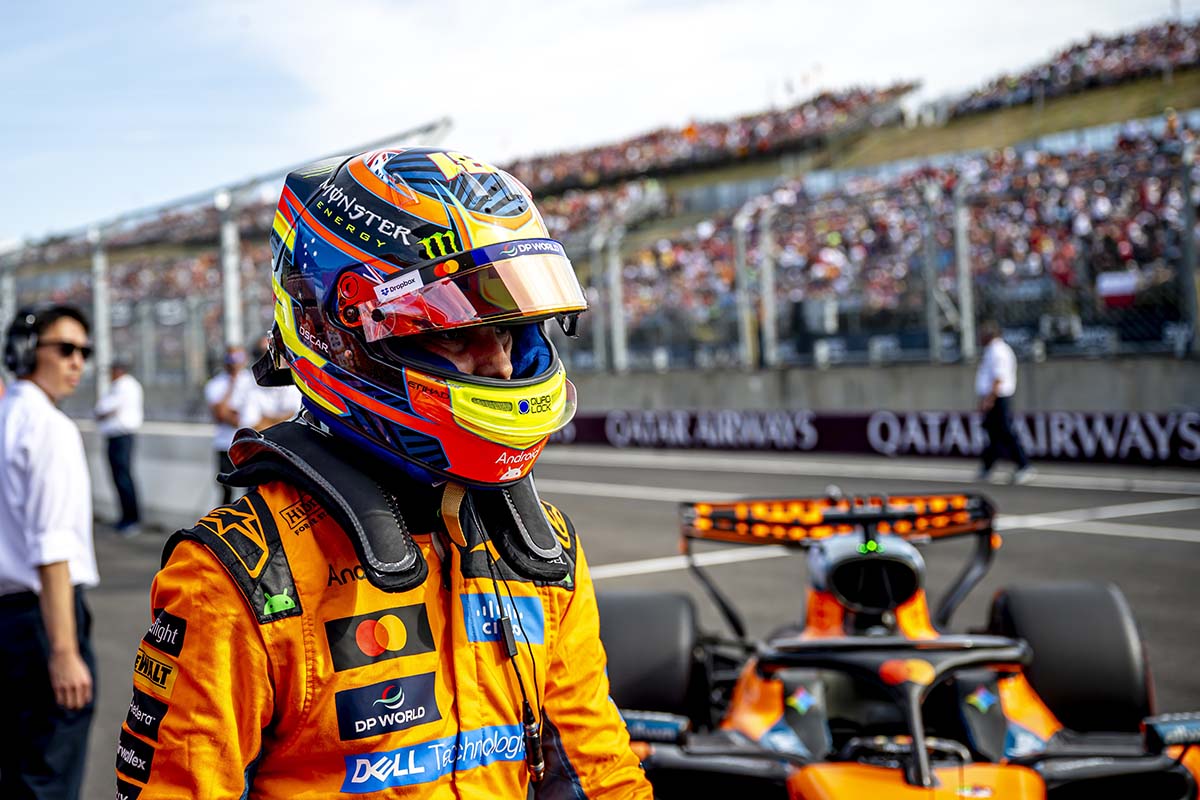
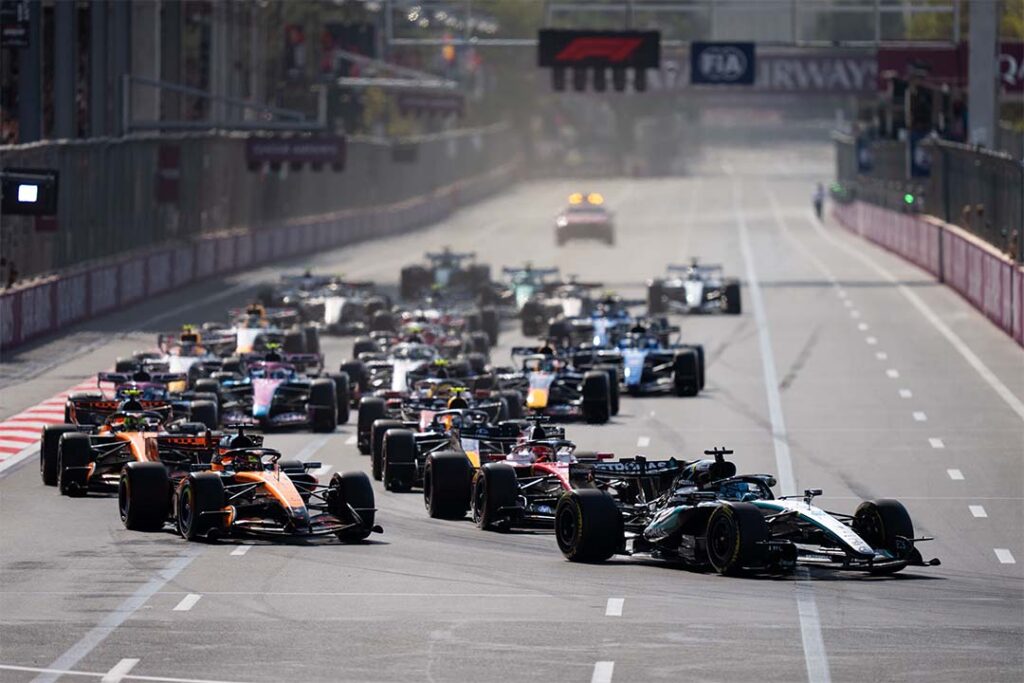
The Hungarian Grand Prix quickly descended into chaos.
Oscar Piastri looked poised to challenge for victory before a heartbreaking gearbox failure forced him into retirement. A race that had once looked like another potential McLaren one-two quickly became a test of damage limitation.
At the same time, an unexpected technical issue created confusion across the field. A communication problem with the FIA’s automated marshaling and GPS systems caused false blue-flag warnings to appear on drivers’ steering wheels. The electronic system was eventually disabled, leaving only the physical blue flags and trackside panels, although the panels were no longer displaying the relevant car numbers.
The result was pure racing drama.
The malfunction created tense moments between Max Verstappen and the battling backmarker Visa Cash App RB drivers, Liam Lawson and Arvid Lindblad. An even bigger talking point emerged when Carlos Sainz and Oscar Piastri became involved in a controversial collision during the blue-flag confusion. The incident quickly divided opinion online, with fans and pundits debating Carlos Sainz’s actions throughout the race.
For a championship that travels the world and brings different cultures into the same fight for milliseconds, Hungary was a reminder that every Grand Prix isn’t only defined by a race result.
Then came McLaren’s biggest strategic decision. The team’s “Papaya” pit wall once again became the centre of discussion after Norris stopped later than teammate Piastri. The gamble paid off perfectly. By extending his stint on older tires, Norris executed the overcut, setting consistently quick laps before emerging ahead after his own stop. It was a calculated move that ultimately shaped his race.
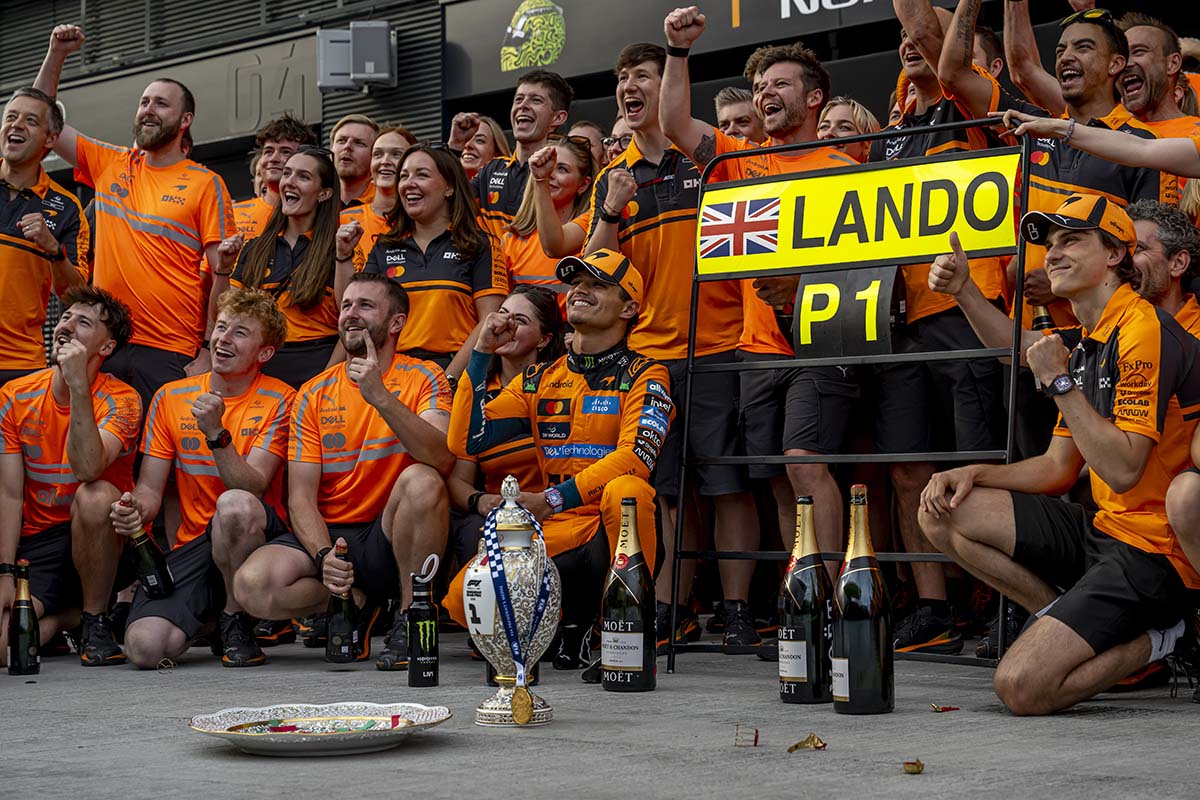
The drama hardly stopped there. Yet once the checkered flag fell, one statistic stood above everything else: Formula 1 had its fifth different winner in the last five races. For the first time as reigning world champion, Lando Norris finally stood on the top step in 2026.
Max Verstappen followed in second, continuing to maximise every opportunity despite Red Bull’s struggles. Kimi Antonelli added another podium to his remarkable championship campaign in third. At this stage of the season, consistency may prove even more valuable than outright victories, and the young Italian continues to quietly build a title challenge on exactly that foundation.
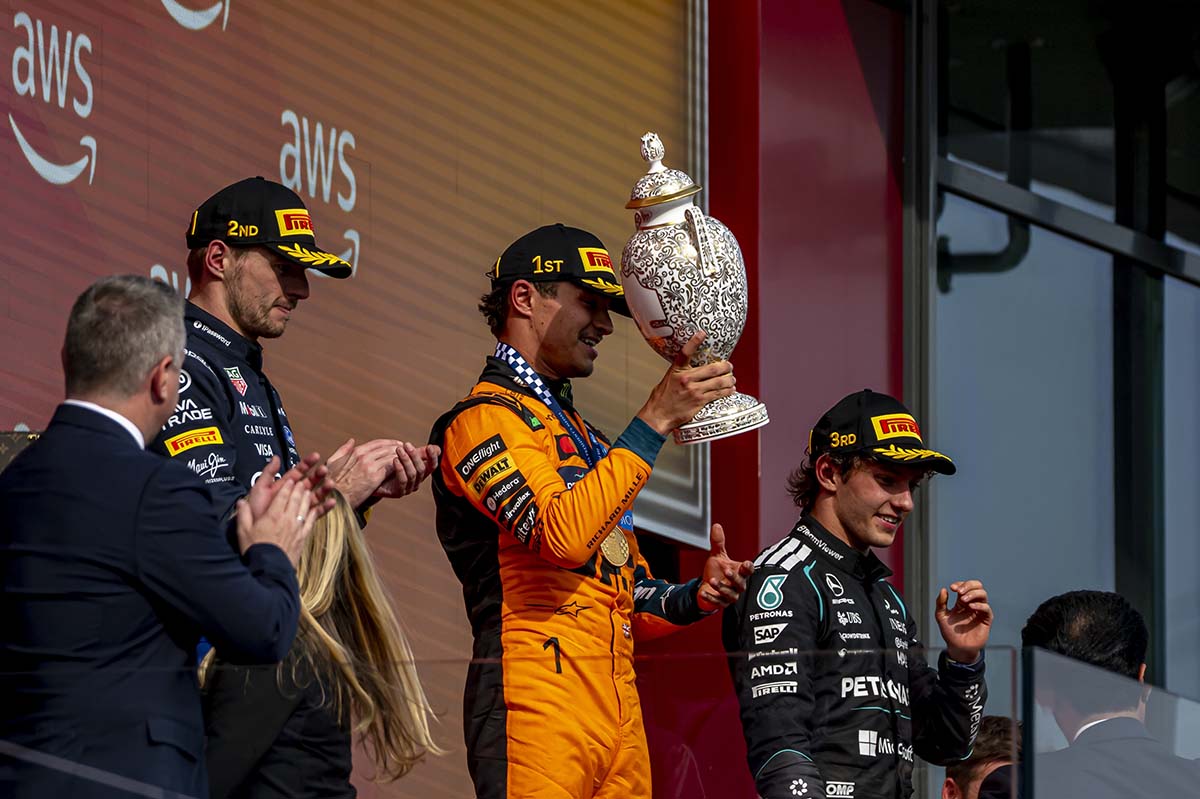
Speaking of consistency, French-Algerian racer Isack Hadjar deserves recognition. Across the last seven races, he has steadily established himself as one of the most reliable performers on the grid, regularly converting opportunities into valuable points.
A special mention also belongs to Nico Hülkenberg, who finally scored his first points of the season for German team Audi.
But Hungary ultimately belonged to Norris. After months of questions, pressure and endless scrutiny that comes with carrying the number one plate, he delivered the kind of composed, measured performance expected from a world champion. Pole position, calm race management, precise execution under pressure, and finally, a victory that felt overdue.
Connected by competition
Formula 1 often presents itself as a championship measured in points, trophies, and lap times. Hungary reminded us that the sport is just as much about what happens in the heat of the racing itself, where strategy calls, tire life, and split-second decisions decide everything.
One technical fault didn’t just sit in the background, it actively shaped the race. It influenced battles between drivers from Italy, Britain, New Zealand, Spain, the Netherlands and Australia, turning routine blue-flag moments into on-track confusion and close calls. Engineers reacted in real time, reading data streams from factories thousands of kilometers away and trying to stabilize a race that refused to stay predictable. Team radios proved invaluable throughout the race, switching between strategy, urgency, and calm reassurance as drivers fought for position in a disrupted field.
As for the fans, it was pure chaos in the best possible way. Overtakes, heated team radios, overcuts, and strategy swings all unfolded at once, watched simultaneously from Budapest to Tokyo, São Paulo to London. The same moments, tension, and reactions, all shared across different time zones and cultures.
That is what makes Formula 1 feel so unique when it’s at its most unpredictable. It is still a racing championship first, but one that naturally connects people through the intensity of competition, where every battle on track becomes part of a global conversation.
Lando Norris’ victory will be remembered as the reigning champion’s first win of 2026, proving that even in a race defined by chaos, consistency can still prevail. For a championship that travels the world and brings different cultures into the same fight for milliseconds, Hungary was a reminder that every Grand Prix isn’t only defined by a race result. It’s a shared moment of competition, where drivers, teams, and fans are all linked through the same pursuit of speed, and the same language of racing.